Air Plant Care Guide
Table of Content
- About
- Light
- Humidity
- Water
- Feed
- Pests & Disease
- Pruning & Propagating
- Troubleshooting & Tips
- Toxicity
- Species
- Tillandsia Usneoides (Spanish Moss)
- Tillandsia Juncea
- Tillandsia Xerographica
- Tillandsia Cyanea
About
Air plants are one of the most unique plant varieties that you can add to your collection or gift to a fellow plant enthusiast. Their weird and wonderful ability to cling onto anything and grow without a trace of soil makes them the ultimate low-fuss beginner plant.
Tillandsia is commonly known as air plants because they absorb almost all their moisture and nutrients straight out of the air making them incredibly resilient and almost self-sufficient, besides the occasional need for care.
The genus Tillandsia belongs to the family Bromeliaceae and is made up of approximately 650 different species of evergreen, perennial flowering epiphytes. In their native environment across northern Mexico, the south-eastern United States, Argentina and the Caribbean, they can grow on almost any surface in the deserts, mountains, woodlands, and tropical rainforests.
There is a diverse range of air plants available with a vast variety of shapes, sizes, and textures that can create pockets of tropical wonder within the home. If well taken care of, as these mysterious plants reach maturity they will reward you with a magnificent bloom of colourful, exotic flowers.
So whether your want to build a terrarium, add to the collection of plants in the bathroom or just get started taking care of your first plant, air plants are the perfect place to start and won’t leave you disappointed.
Light
Like most houseplants, air plants will want to be kept away from direct sunlight. While there are one or two species that will tolerate some dappled lights or direct morning sunlight, for example, Tillandsia Cyanea, almost all the rest of the species you will find will thrive in bright indirect light. That being said, as long as the ambient temperature is above 20°C and humidity is relatively high, air plants will tolerate low light in shady areas.
Humidity
Humidity levels are the most important aspect of care with air plants. Being epiphytes these plants heavily rely on the moisture levels in the air around them to survive. These plants like it warm and humid! They are often best suited to thrive as bathroom plants due to the abundance of steam and excess moisture. But when placed in areas of the home where the humidity won’t be as high these plants will need regular misting to keep them happy in the warmer months.
Water
The frequency that your air plant will need watering will heavily depend on the ambient temperature and how quickly it will cause the plant to dry out. During the summer months when the plant will be drying out at its quickest there are a few ways to go about keeping your air plant well watered. Things to remember with all these watering methods is to make sure any excess water can escape or is gently shaken off, sitting water can cause rot and affect the health of the plant very quickly. It is also good practice to only use tepid distilled or rainwater.
The first but less effective way of keeping your plant well watered is daily heavy mistings, while this is the easiest way to water especially if you have placed your air plant in a display of sorts, this can be messy and ineffective when trying to do a thorough job.
The most thorough way to keep your air plants happy is to fill a tray with water and leave the plant to soak in the water for around 30 minutes to 1 hour per week, more or less time may be needed depending on the size of the plant. If your plant is in flower avoid soaking or submerging the flower as this will cause damage and ruin the bloom.
The quickest way to water your air plants is the “dunking” method, this method can’t be used for plants in flower. Fill a bucket with tepid water and dunk the plant in the water, fully submerging it several times or it can be left to soak for 5 to 10 minutes depending on the size of the plant. Once removed from the water gently shake off the excess water or leave it to drain. This may need to be accompanied by regular mistings as the plant may not have time to soak sufficiently with this method.
Feed
Air plants tend to get the majority of the nutrients they need directly from the air around them. While most of the time this is sufficient to keep your plant happy the addition of feed offers a high-performance boost and encourages further growth and potential to flower.
You can purchase specific air plant feed that normally comes in a pre-diluted spray bottle. Apply once a week during the summer months and you can expect to see your plant put on an abundance of growth. Similar results can be achieved by putting a drop of houseplant feed in a misting bottle and spraying regularly.
Pests & Disease
Even though air plants are tough and resilient plants they can still suffer mainly from parasites and fungi and the chance of them making an unwelcome appearance is still very possible.
It is good practice to regularly check your plants for any signs of aphids, red spider mites, mealy bugs, and thrips. By checking regularly, you are more likely to identify signs of distress. This will make it easy to take action and prevent a full-blown attack.
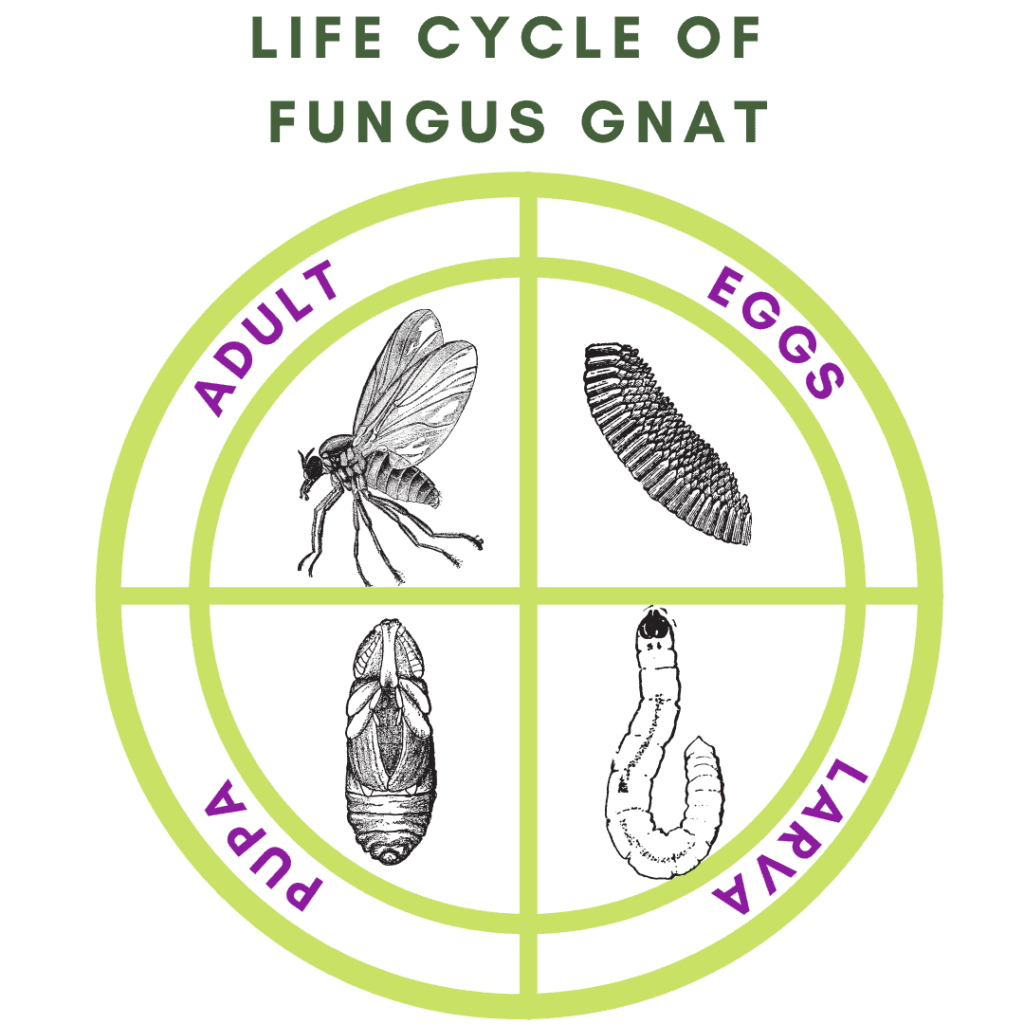
Check our video on homemade pest remedies or head over and read Fungus Gnat Fact Check and Home Remedies how to guide
Pruning & Propagating
Air plants will very rarely need pruning; their silvery growth often stays looking at its best and tends not to drop leaves or cycle through leaves quickly enough to warrant pruning them off.
When it comes to propagating, these wonderful little plants do all the work for you and all you have to do is be patient and wait for the right time to act.
Air plants fall into the bromeliad family, making them monocarpic. This means they follow the cycle of reaching maturity, producing a flower, setting its seeds and then dying. During this cycle and before the mother plant completely dies it creates air plant pups around its base. Once the cycle has completed and the mother plant has completely died back it can simply be pruned away leaving you with a selection of Air plant pups that are ready to be separated. Once separated, they can be treated like adult plants and your air plant journey can start all over again.
Troubleshooting & Tips
- The ideal temperature range for air plants is 15ºC-24ºC.
- If the temperature is below 13ºC avoid watering the plant as at this temperature they can remain wet for too long and start to rot.
- If brown or black leaves are starting to develop this is a sign your plant is rotting and may be holding excess water.
- Fully dried-out plants often occur due to a lack of water and humidity matched with high temperatures. Often if plants are soaked overnight they should make a full recovery.
- Brown tips of the leaves or faded colour and bleaching are most likely caused by overheating or too much direct sunlight. Best to rethink the location or raise humidity levels.
Toxicity
These plants aren’t harmful to humans or pets, so no need to worry about having an abundance of these plants throughout the house.
Species
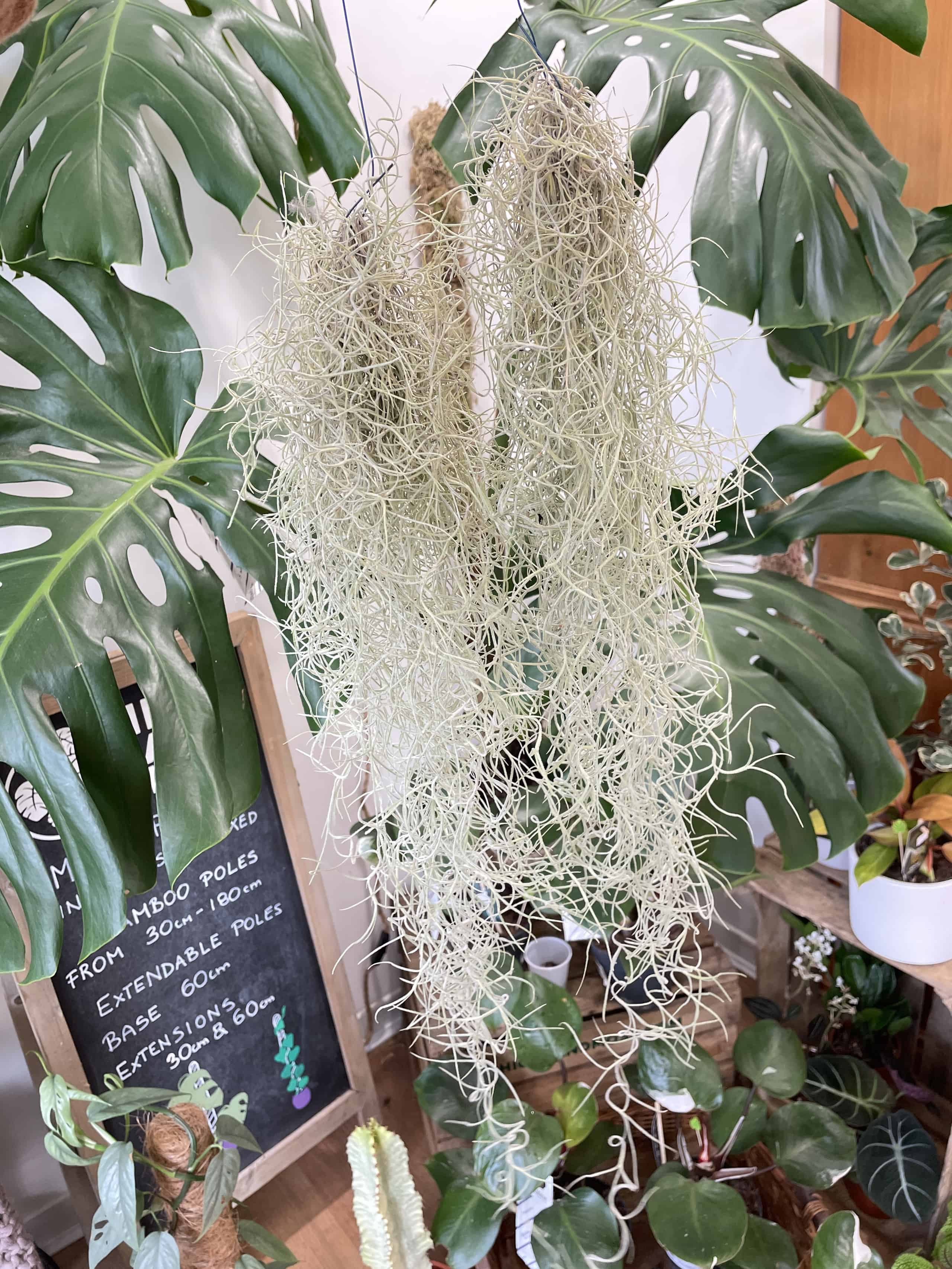
Tillandsia Usneoides (Spanish Moss)
This wonderful air plant is incredibly versatile and can majestically fit into a wide array of spaces in the home. Its gorgeous silvery light green wispy strands magically seem to get longer and longer as this baffling plant feeds off the nutrients in the air. This especially makes a wonderful bathroom plant and often needs reduced levels of care with the high levels of humidity.
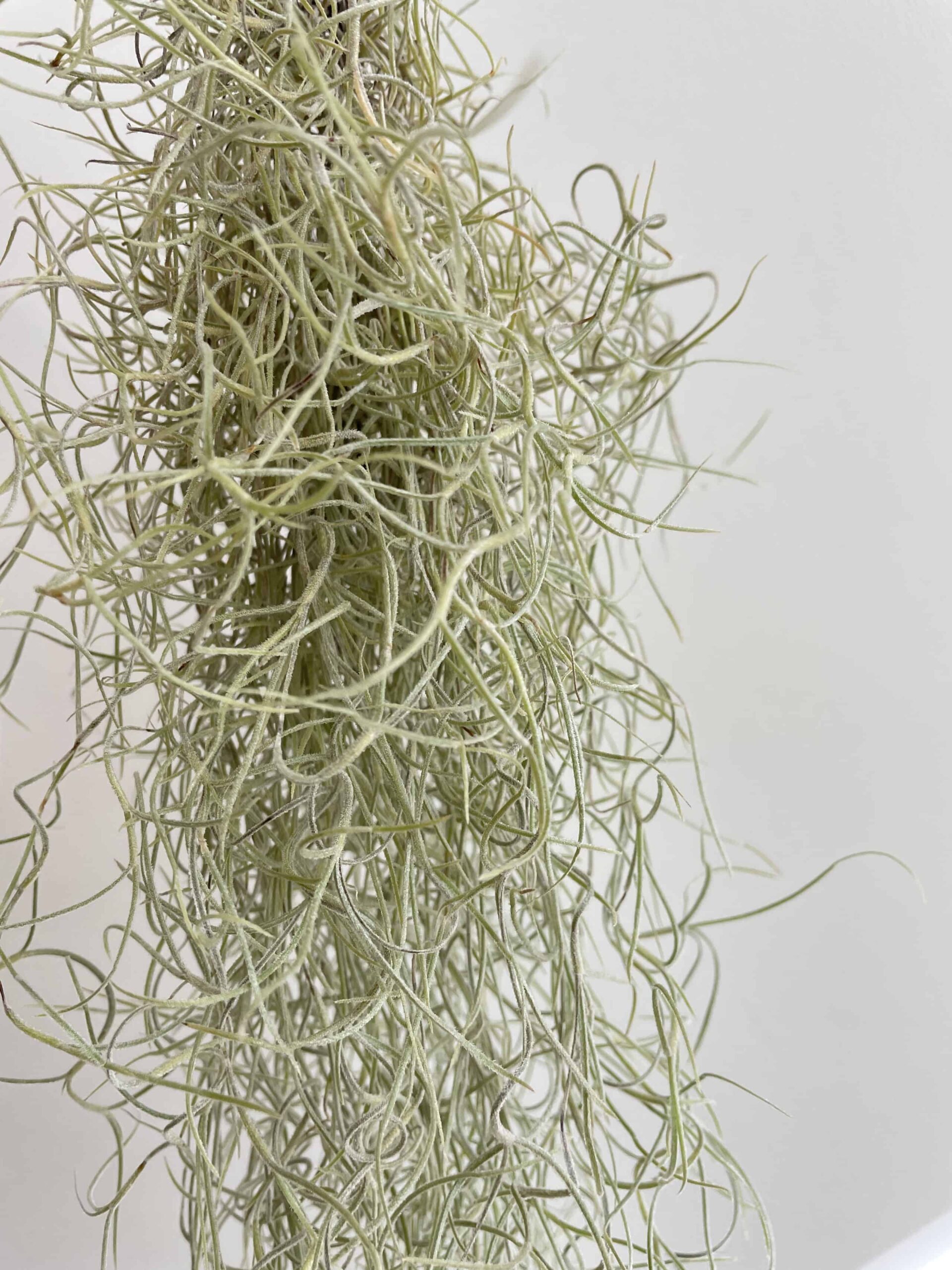
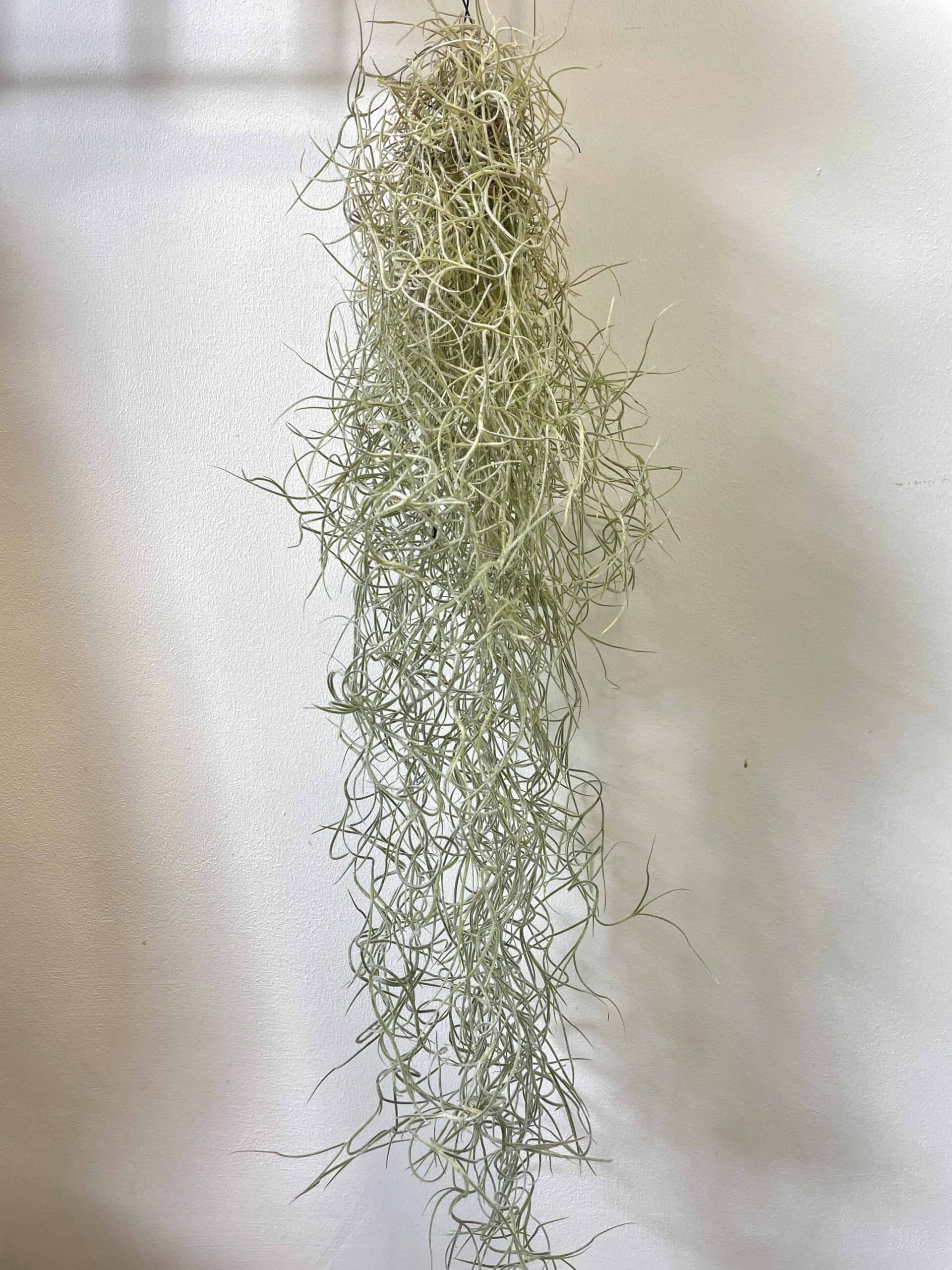
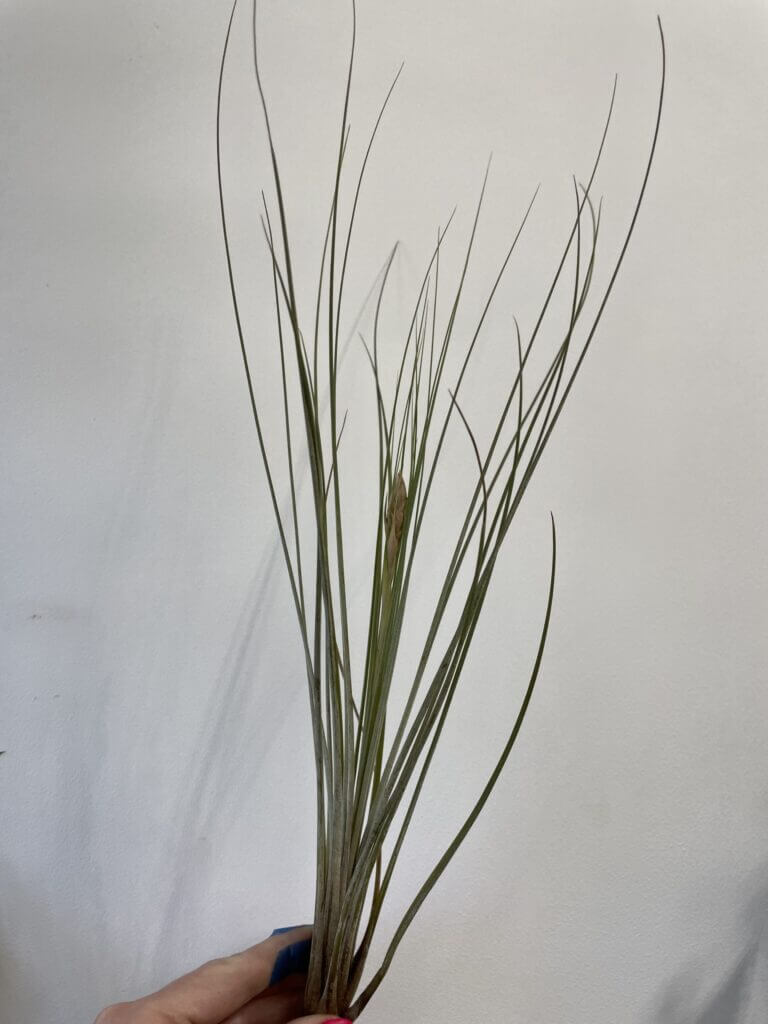
Tillandsia Juncea
If you are looking to make a gorgeous display or a wonderful background plant for your terrarium Tillandsia Juncea is perfect. Its compact silver grassy foliage creates a wonderful backdrop for other plants. While still a stunning stand-alone air plant that can produce beautiful blooms of pink and violet flowers.
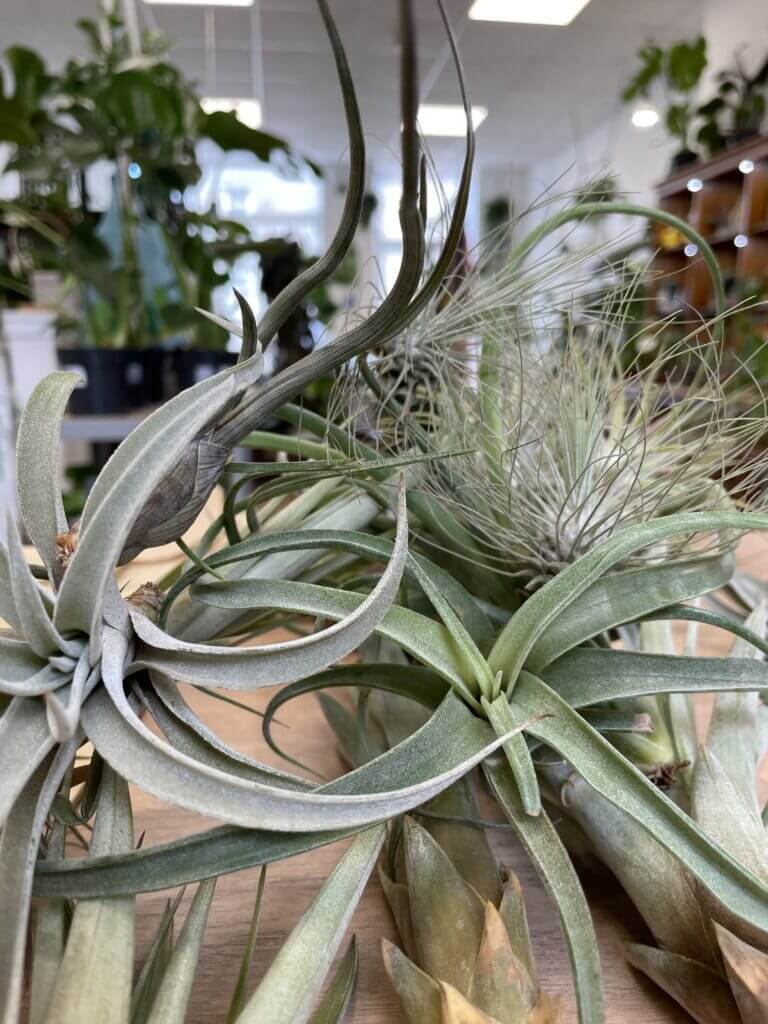
Tillandsia Xerographica
Commonly known as the ‘king’ of air plants, because this plant has the potential to reach almost one meter wide and one meter high, this gorgeous Tillandsia forms a tight rosette of silver and light green foliage. The sprawling and curling leaf structure forms dense clumps that will, in maturity, produce tall flower spikes that create delicate violet flowers.
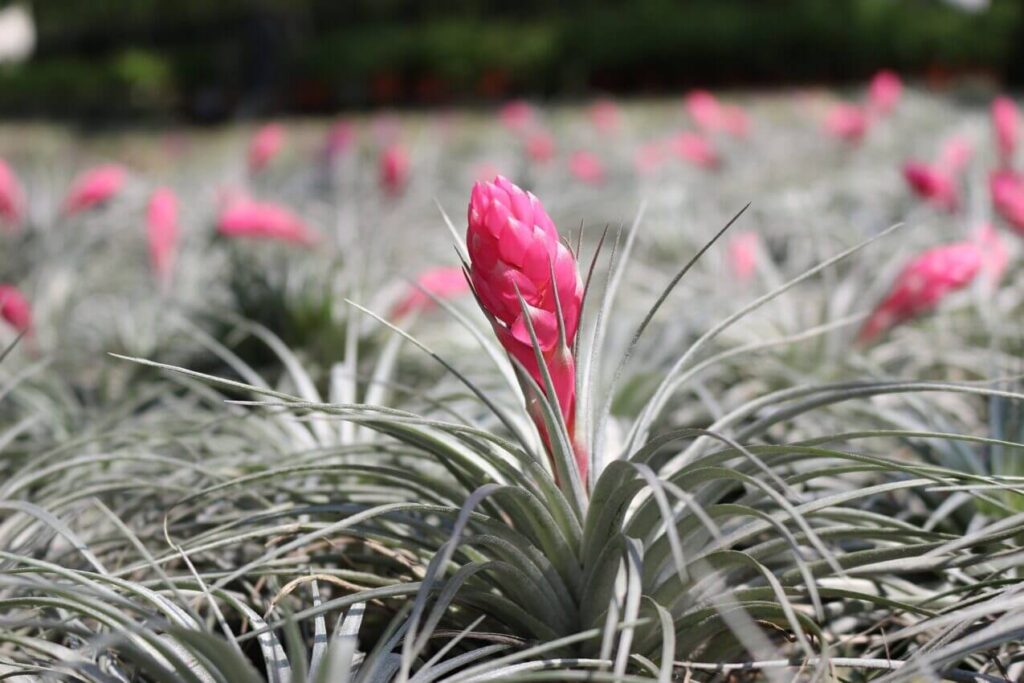
Tillandsia Cyanea
Often referred to as the ‘pink quill’, because of the vibrant pink colour of the bract (flower head) that grows from the centre of the plant. This Tillandsia, with its narrow dark green leaves, that sprawl out from the centre of the plant, has proved to be one of the nation’s favourite air plants due to it being resilient and easy to care for.
Image source: PIxabay
If you enjoyed this guide head over to Articles & Blogs to learn more or check out our YouTube for even more useful information!