Lithops Care Guide
Table of Content
- About
- Light
- Humidity
- Water
- Pests & Disease
- Feed
- Pruning & Propagating
- Soil
- Repotting
- Troubleshooting & Tips
- Toxicity
- Species
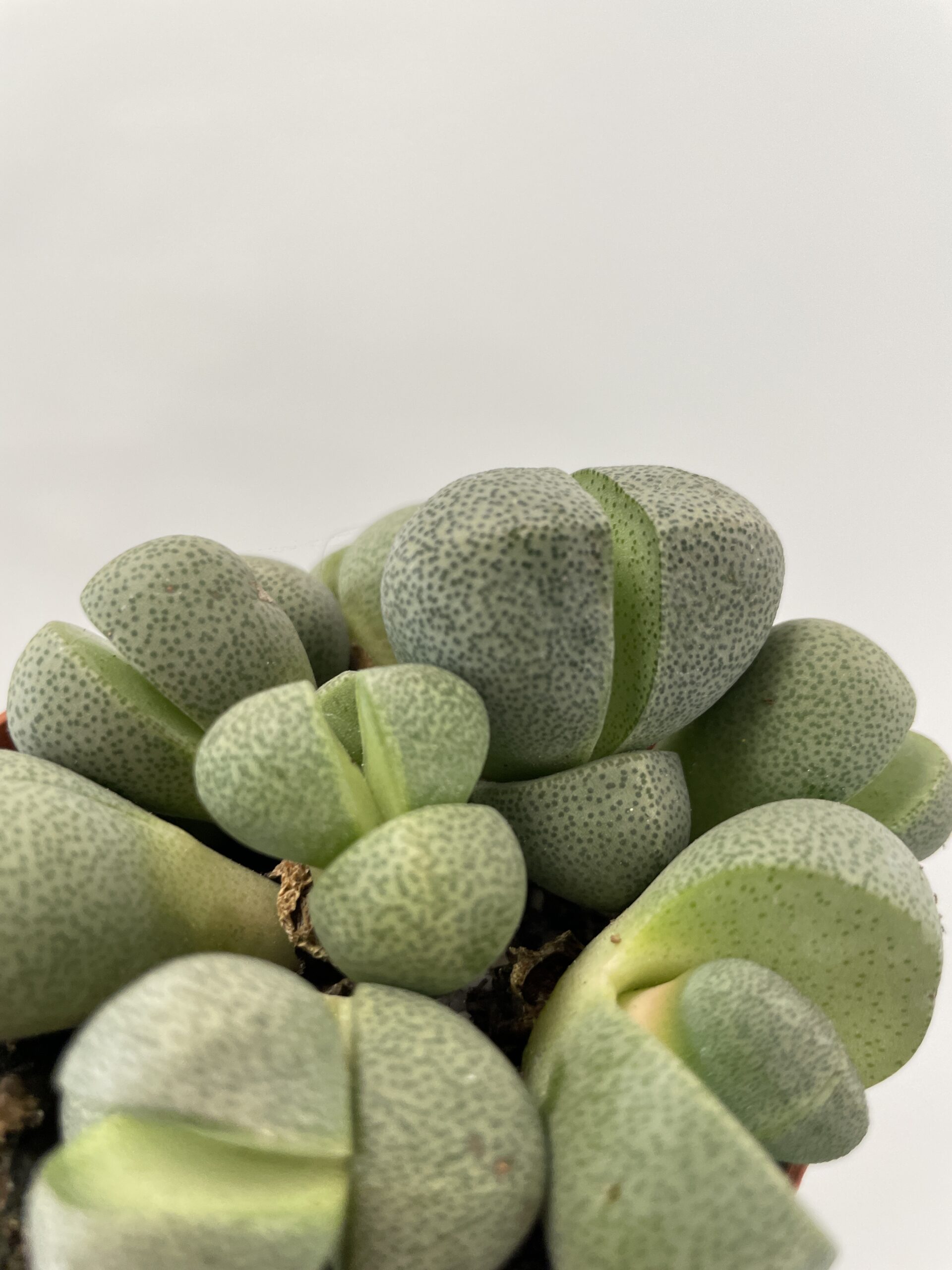
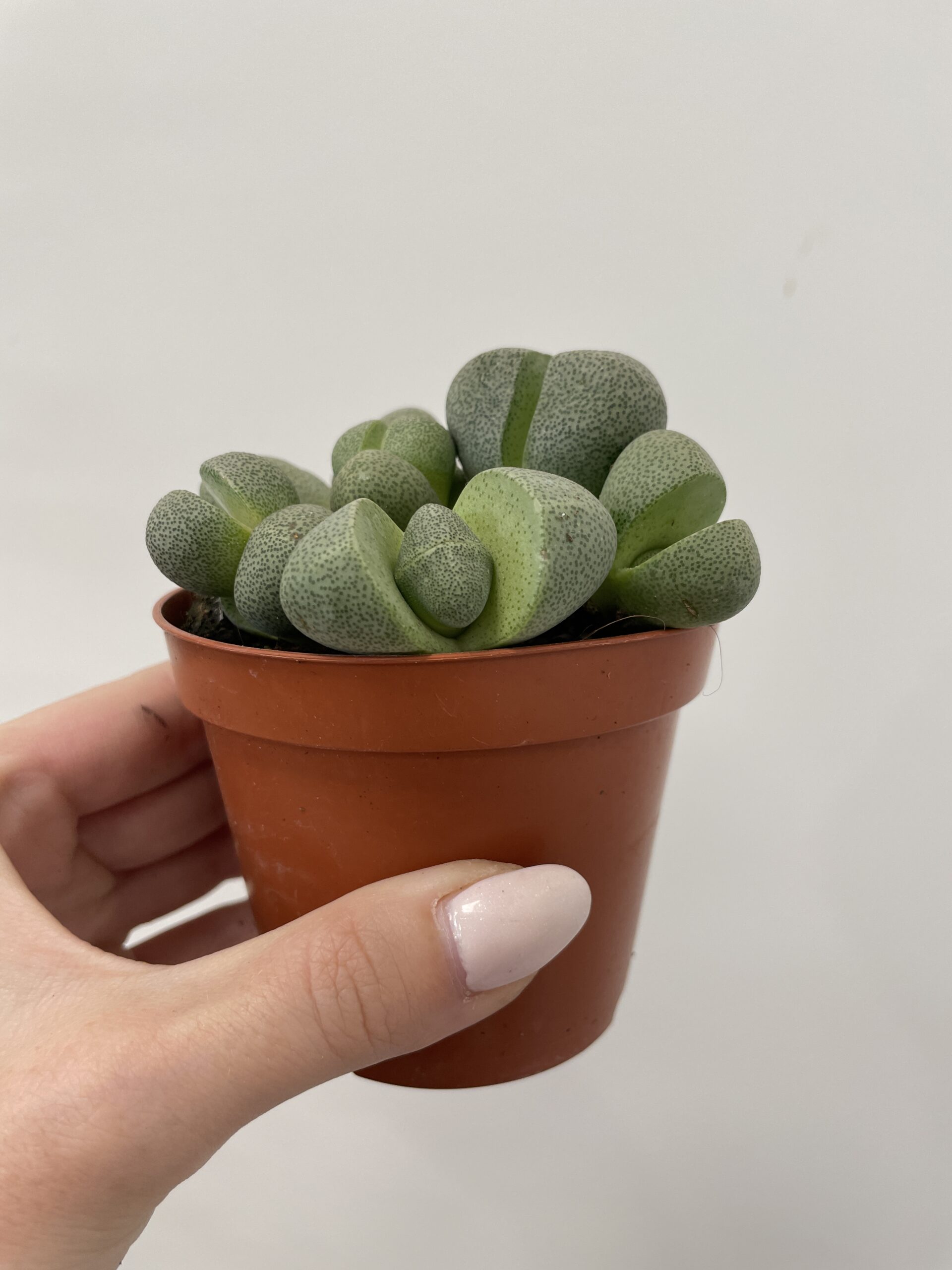
- Pleiospilos Nelii
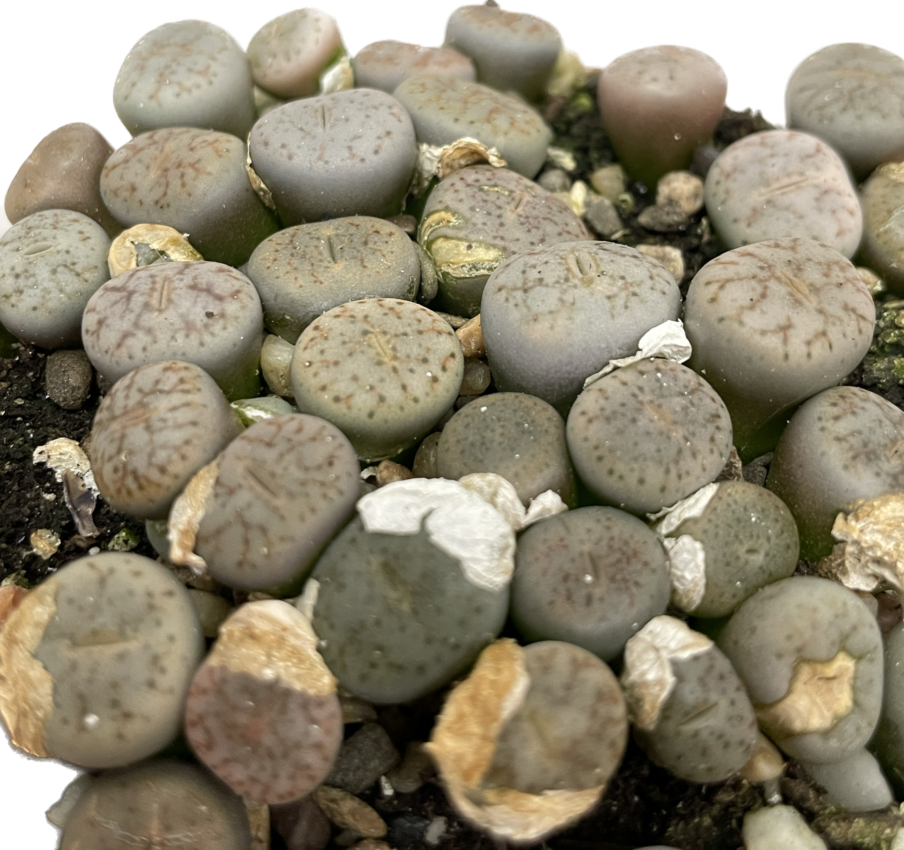
- Lithops Living Stones
- Lithops Succulent
About
Lithops are probably the most unique succulent if not, the most unique houseplant you can add to your collection. These incredible plants are commonly known as living stones, from the Greek meaning stone face. This is because of their incredible resemblance to a natural pebble or stone. They have developed this look over millions of years as a camouflage to avoid being eaten by grazing animals.
These plants can only be found in Southern Africa, growing across vast areas of Namibia, Botswana, Angola and South Africa. These plants thrive in some of the driest areas of these regions and can be found as low as sea level and in high mountain regions. Often different species are only found in one place and have adapted to thrive in their designated area, this can range from dry grassland to bare rocky ground way up in the mountains.
Lithops are incredibly slow-growing flowering succulents that belong to the family Aizoaceae with around 140 different varieties that make up the genus, with most of these incredible plants being able to live up to fifty years. Some species have developed a wonderful display of colours but the majority are grey, brown or cream with distinct markings like dots and lines which vary depending on the local conditions.
These plants are relatively simple in appearance consisting of two thick fleshy leaves that are designed to store all the water the plant could need for extended periods of time making this plant one of the best-adapted drought-tolerant plants in existence. Lithops naturally will only ever have two leaves at a time, they have split in the centre of the plant that allows a set of new leaves to grow. As the new leaves grow the outer older leaves begin to shrivel as they transfer their water stores to the new leaves and are eventually left with no moisture and die back.
Light
Lithops need at least four to five hours of direct sunlight a day, it is best to place the plant in the early morning light as harsh midday sun can still be too overpowering and cause damage to the leaves.
This plant is probably best suited to a south or west-facing window sill. Lack of light for Lithops can start to cause leggy growth and a loss of the natural pattern on the surface of the leaf. If left in low-light areas the plant has a very low chance of survival.
Humidity
Lithops thrive in low humidity so the average household humidity level (40%) will do just fine. There will never be a time when it would be beneficial to mist your lithops or attempt to increase the humidity.
Water
It is vitally important to understand the growing cycle of Lithops as this heavily impacts how much and when the plant should be watered. These plants can be the easiest and hardest houseplants to care for as they are incredibly sensitive to overwatering.
Unlike almost all other succulent Lithops will tend to start growing in the Autumn so it is recommended to give them their heaviest watering during this season. This water should see them through all the way until they have finished developing their new leaves.
If your plant is in the process of growing new leaves, watering should be avoided. During this cycle, the older outer leaves will begin to shrivel and naturally die back as they transfer water to the new growth. Watering during this time can prevent the old leaves from withering and dying back which will have a negative effect on the growing cycle.
As we reach summer Lithops really start going against the grain as they enter a dormant period. This naturally occurs to protect them from the harsh summer sun. Again during this period, you should avoid watering them.
Really these plants should only get one heavy watering a year in the autumn and while you may feel like they may need more, they don’t. You have to remember that these plants are one of the most drought-tolerant plants in existence and will happily go a year without water.
Pests & Diseases
It is good practice to regularly check your plants for any signs of aphids, red spider mites, mealy bugs, and thrips. By checking regularly, you allow yourself time to prevent a full-blown attack.
The most common pests Lithops tend to suffer from spider mites. This will normally occur from overwatering or high levels of ambient humidity.
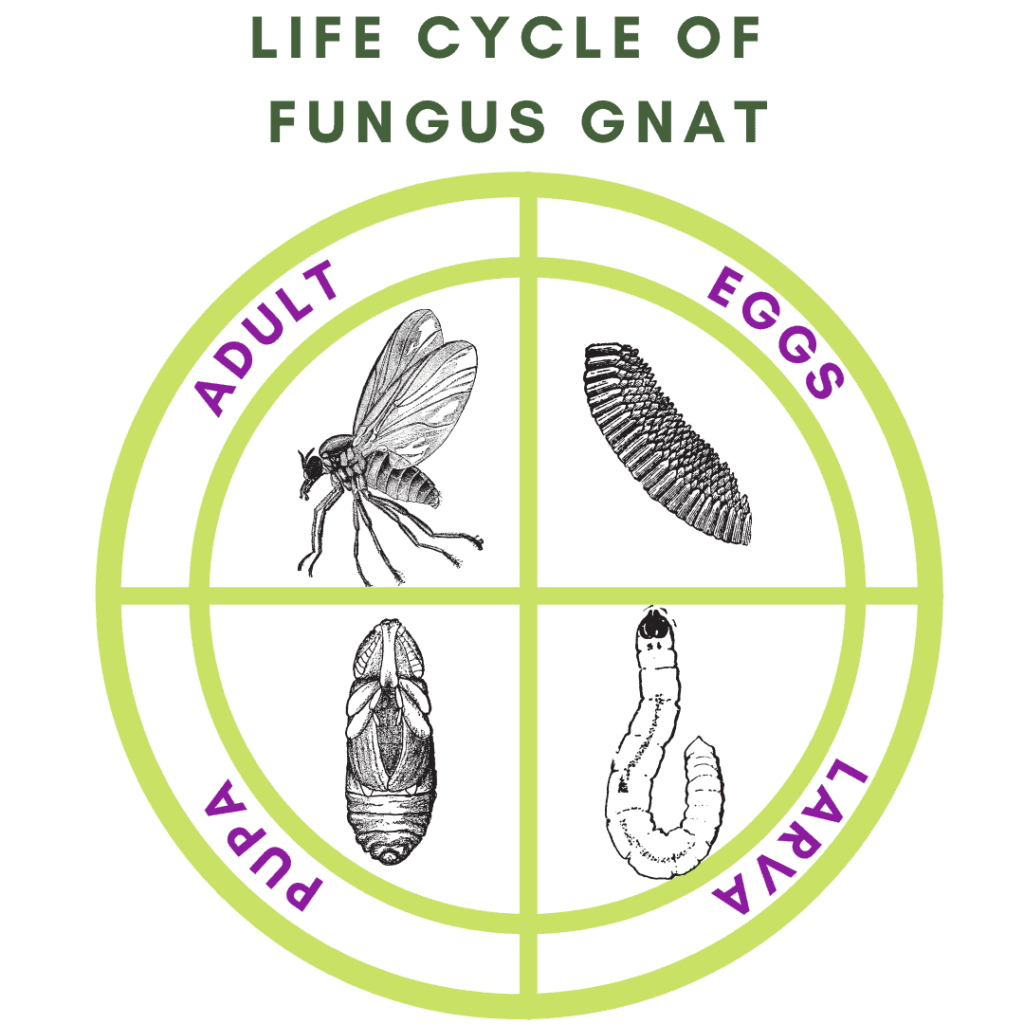
Check our video on homemade pest remedies or head over and read Fungus Gnat Fact Check and Home Remedies how to guide
Feed
As a rule, you shouldn’t feed your Lithops, they are used to barren soil and an influx of concentrated nutrients will quickly cause damage to the plant.
Mature Lithops will produce flowers, they will need to be at least three years old before they are able to flower. This would be the only time the plant would benefit from a very small amount of heavily diluted Cacti and Succulent feed.
If you are feeding your Lithops to help produce flowers then ensure you don’t get the feed directly on the leaves as this will cause damage.
Pruning & Propagating
There is almost no pruning to be done with Lithops. At best, old shrivelled leaves can be gently pulled away once new leaves have formed.
Lithops can be divided but we are talking several years before this would be possible. The plant needs to develop into clusters to be able to divide and propagate. If you have been patient enough to grow a Lithops for many years and it has developed into clusters, dividing is an easy job.
Simply take the plant out of the pot and gently tease away all the soil till you are left with the plant and its long tap root all in one piece.
Then simply transfer each individual cluster into a new pot deep enough to fit the tap root and fill it with a free-draining Cacti Compost
Soil
Lithops must have fast-draining soil in order to survive and perform well.
The easiest option is to use specific cacti and succulent compost this should provide adequate drainage and the right amounts of nutrients. Other good potting mixes you could use can be made up of; 3 parts potting soil, 2 parts coarse horticultural sand, 1.5 parts of perlite and 1 part small pebbles/shingle
Repotting
Lithops are amongst the slowest growing plants so repotting in most cases is just not needed. Really the only time these plants should be repotted is if there is a problem, for example, if it has been overwatered.
If you are after a change of pot you should make sure that your Lithops has been in the same pot for at least two years before transferring it to something new. The roots must be sufficiently developed before moving otherwise the plant has a high chance of failure when placed into a new environment.
Troubleshooting & Tips
- Make sure not to water while the plant is producing new leaves.
- Overwatering is the biggest mistake that can be made with Lithops, signs of this can be yellow mushy leaves, brown spots and split leaves.
- Low light levels will cause unusual growth and cause the leaves to stretch towards the light. This issue can take a few cycles of new leaves to rectify.
- As a general rule never feed your Lithops as the nutrients in the soil will be adequate to keep your plant happy.
Toxicity
Lithops are non-toxic to humans and pets and in native countries are acutely consumed as a means to quickly quench thirst. The only time these plants can pose a threat is if they have been exposed to pesticides that can chemically change the plant and cause it to produce poisons that are harmful to both humans and pets.
Species
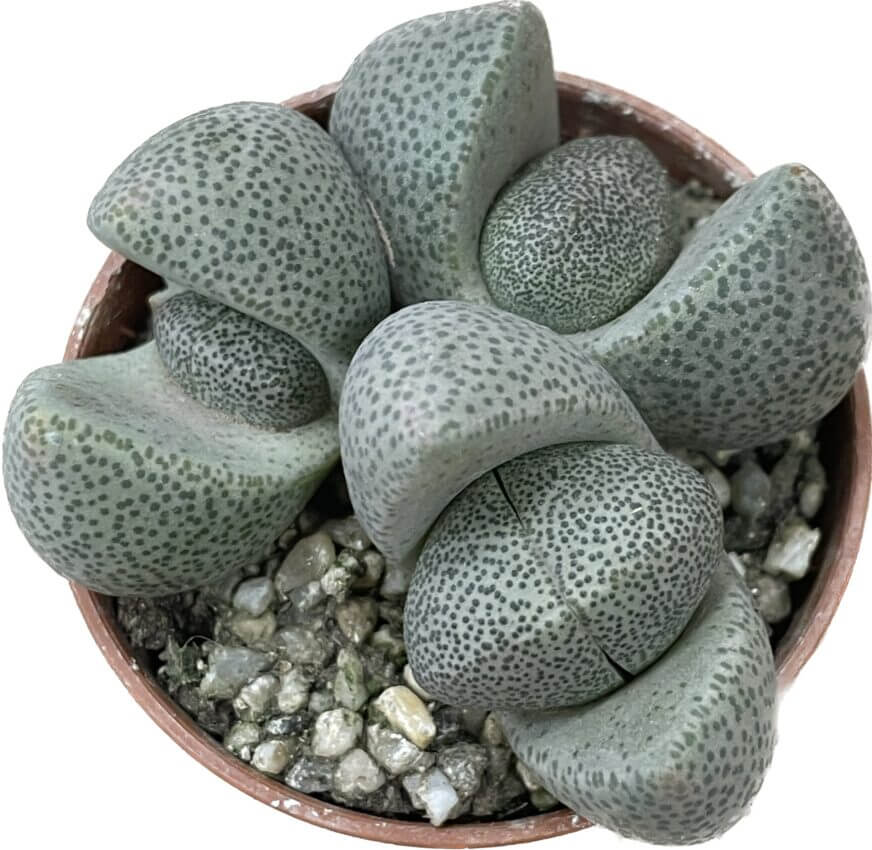
Pleiospilos Nelii (Split Rock)
While this plant is not a true Lithops they are very closely related and fall within the same family. This highly unusual living stone produces some of the weirdest-shaped light green/blue bulbous leaves. This slow-growing oddity can produce gorgeous eye-catching yellow flowers that sit high above the plant. A true marvel of nature!
Head Over To The Store & Grab Yours Now!
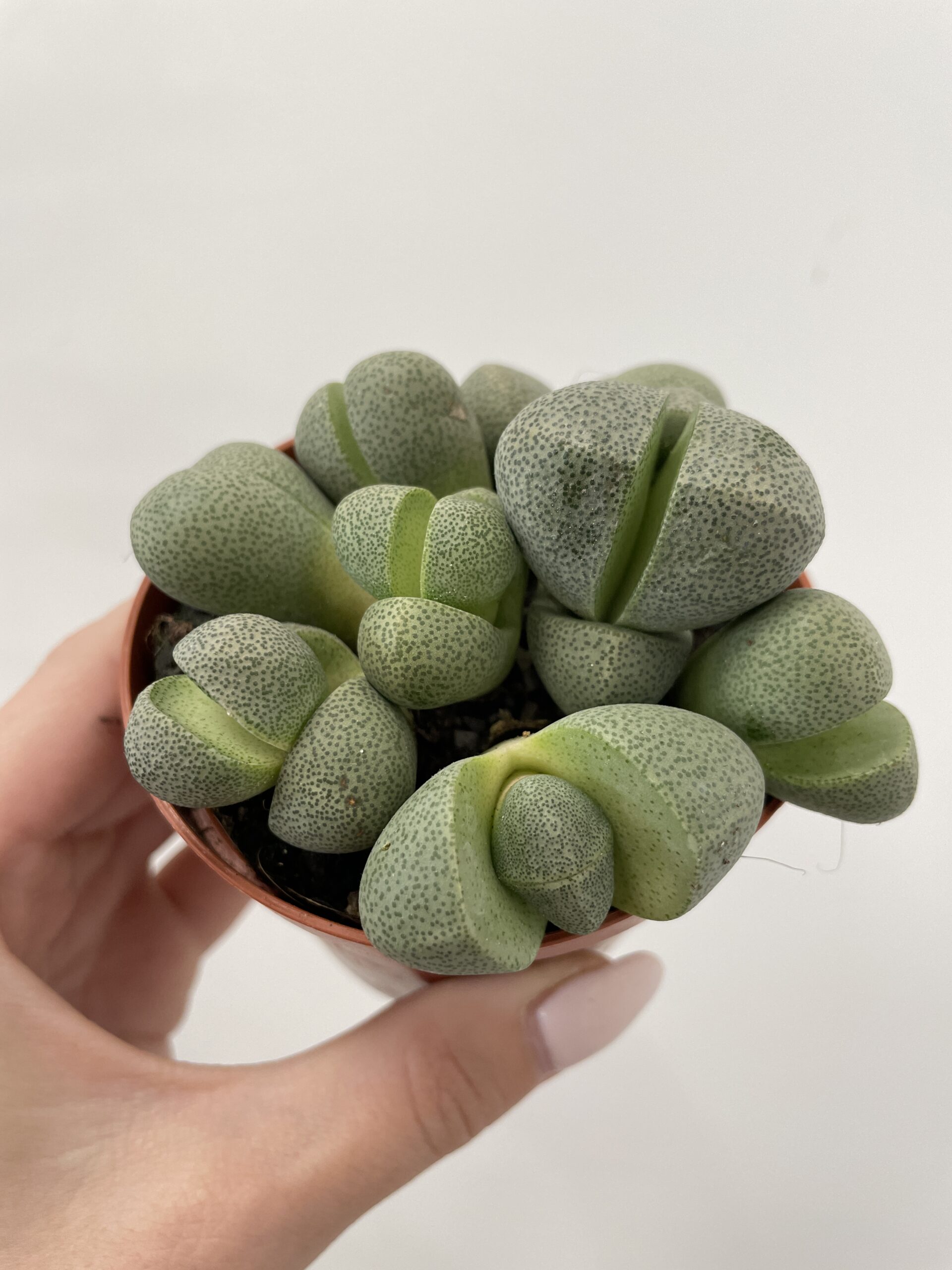
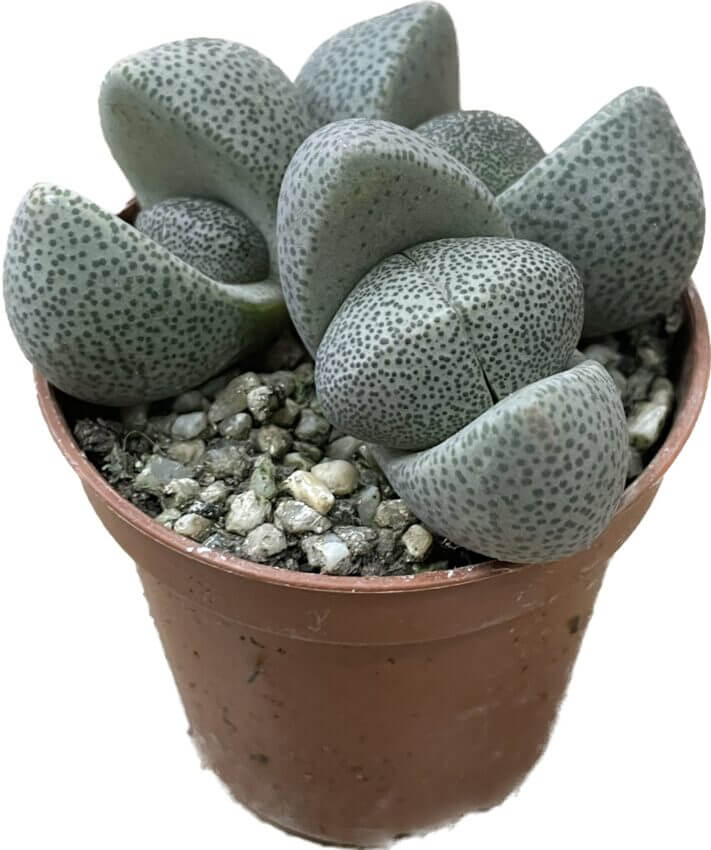
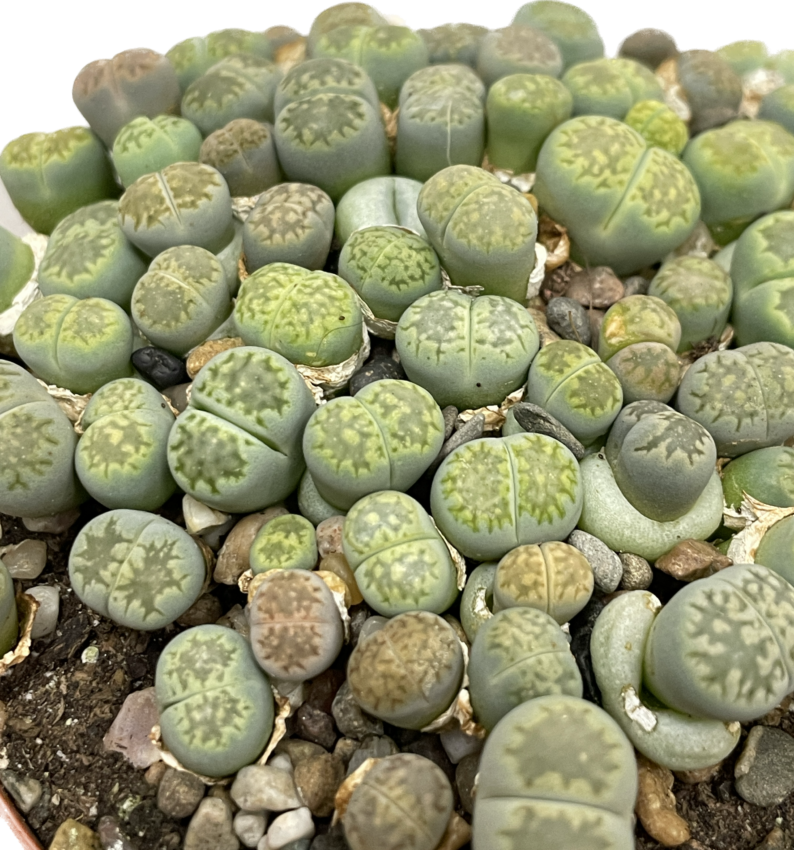
Lithops Living Stones
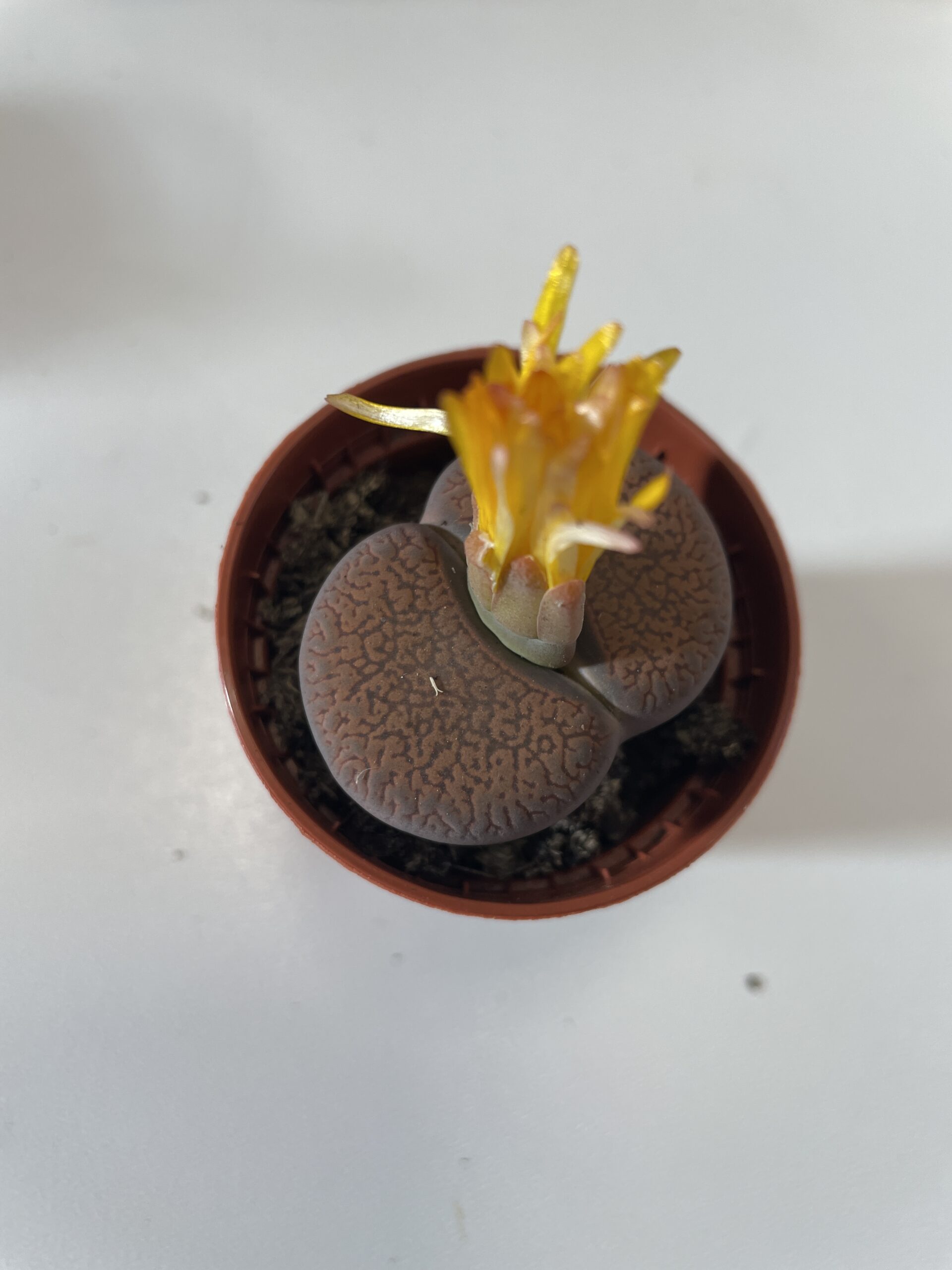
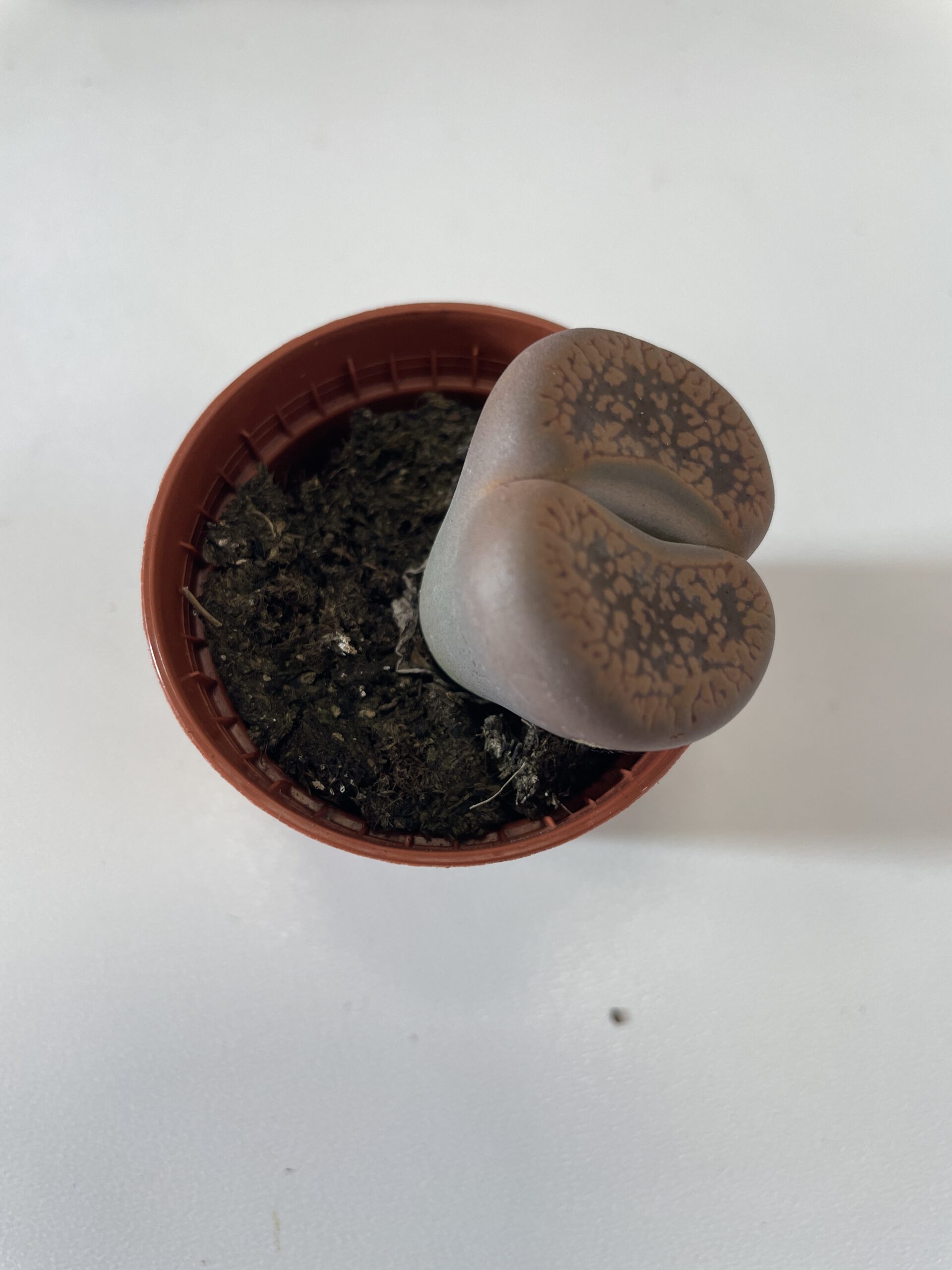
This weird and wonderful marvel of plants is not for everyone but attracts more avid and die-hard fans that embrace the stranger side of house plants. Forming tiny tight clusters of brown green and grey their foliage is embossed with small dots and patterns to help them blend into their natural surrounding and add to their convincing stone-like look.
Head Over To The Store & Grab Yours Now!
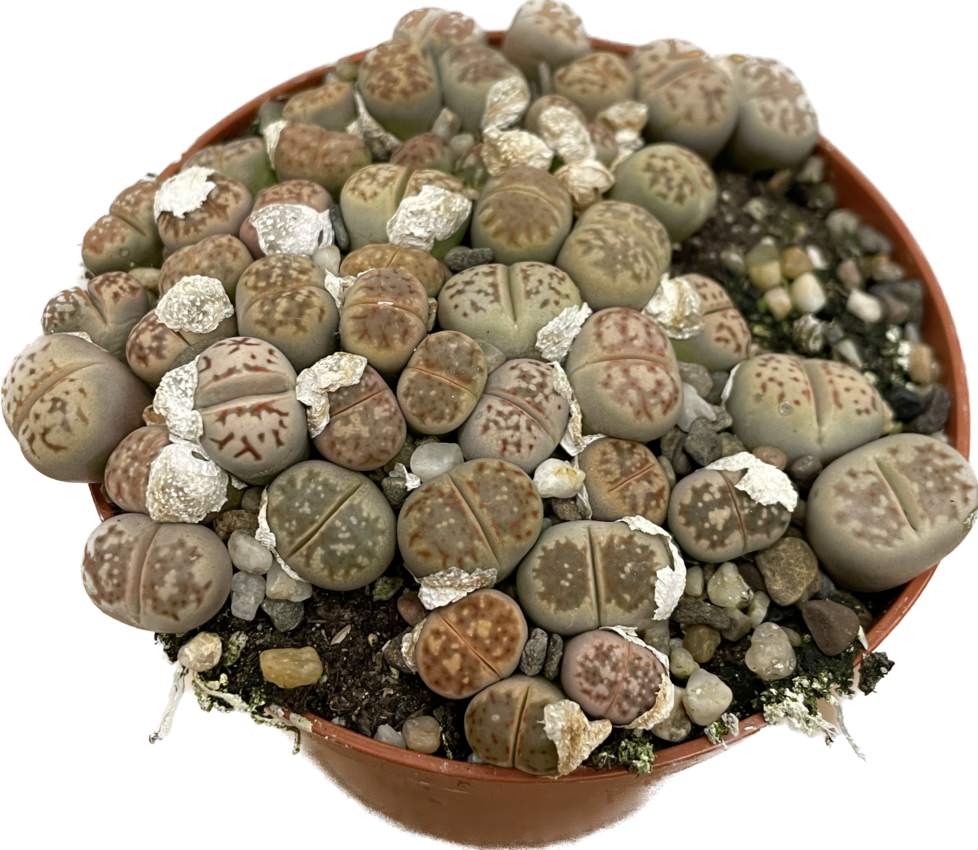
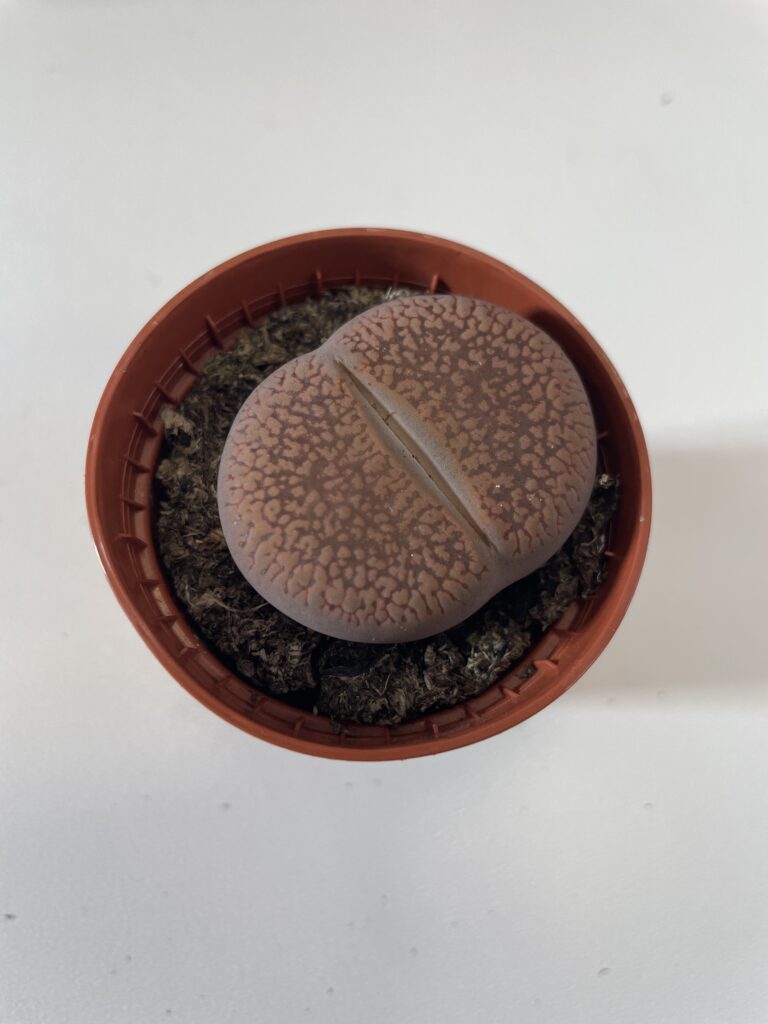
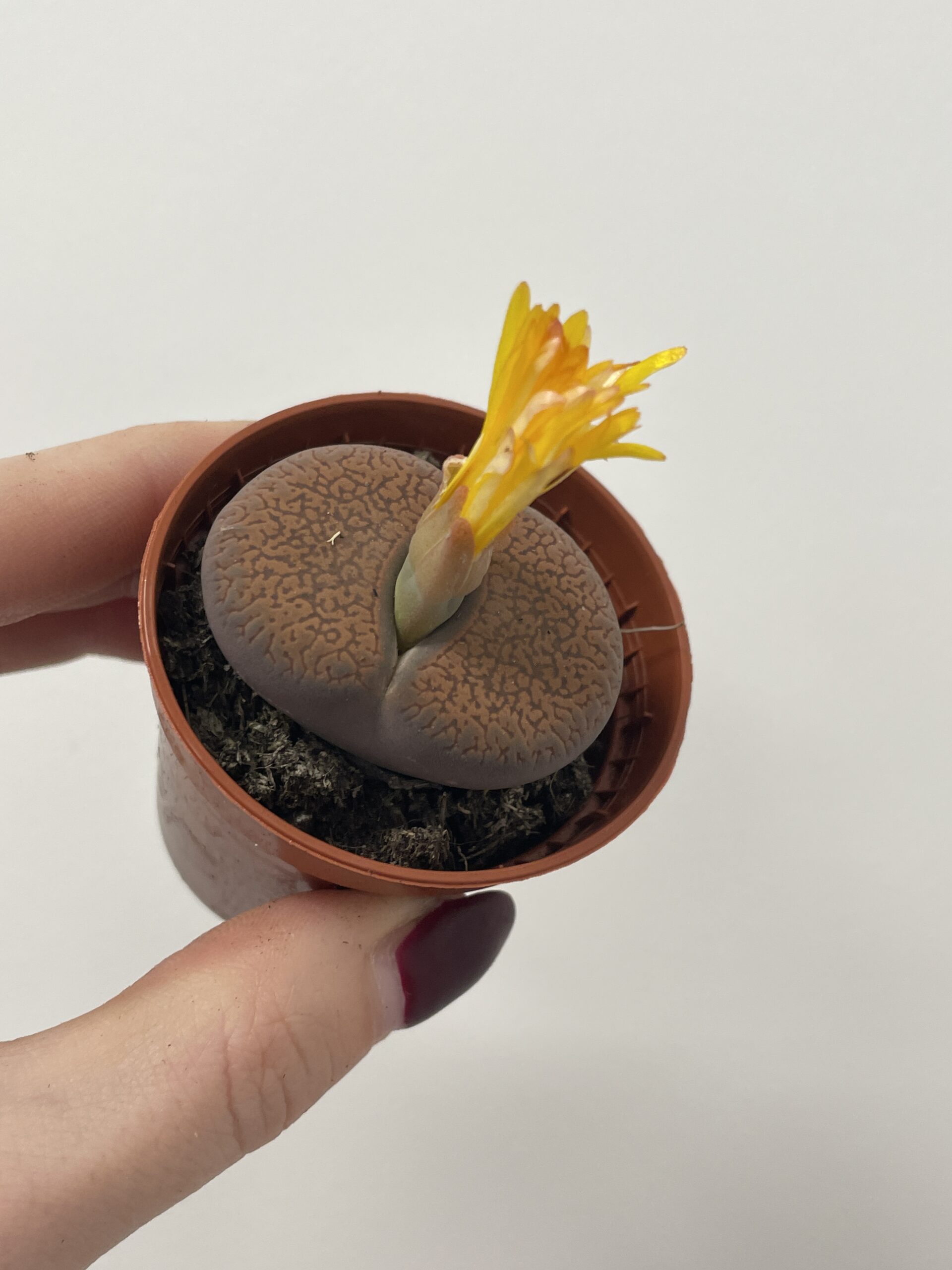
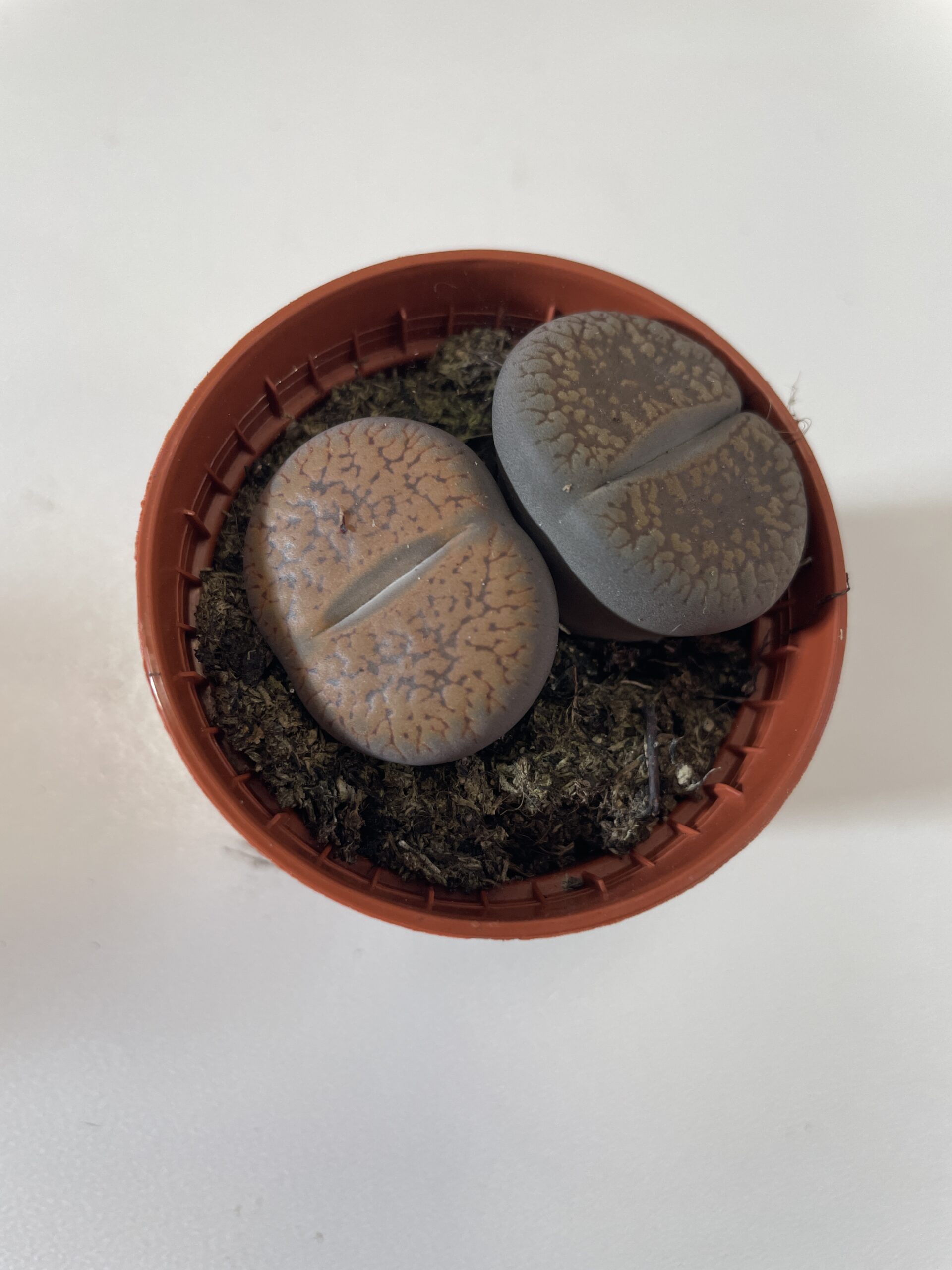
Lithops Succulent
A larger in stature single or double specimen which ranges in colour from a light brown to a delicate powdered slightly metallic blue. This variety is a magnificent example of a slightly mature specimen that can show off its bright yellow flower when the time is right.
Head Over To The Store & Grab Yours Now!
If you enjoyed this guide head over to Articles & Blogs to learn more or check out our YouTube for even more useful information!