Peperomia Care Guide
About Peperomia
Peperomias are made up of well over a thousand different species of compact vines and shrubs making this genus one of the biggest in the Piperaceae family. The highly diverse species list of Peperomia can be found in almost all tropical and subtropical regions, stretching far across the globe. The highest concentration of species can be found in Africa, Southern Asia, Oceania, and Central and South America.
Covering a range of continents and environments, Peperomia has built up a wide array of adaptations and appearances. These highly diverse plants have developed a number of different growing habits to help them survive and dominate their environments. They grow as epiphytes (using other plants, usually trees, as a base to grow off), there is also a wide range of succulent Peperomias that grow as Xerophytes (store a high amount of water in their leaves making them drought tolerant) or Geophytes (storing water in underground tubers). Lastly, they can grow as Lithophytes (the ability to grow on rocks or within crevices of rocks) which can make really striking terrarium plants.
Peperomia are great beginner plants due to their easy-to-care-for nature. They are well adapted to miss the occasional watering and are much more forgiving if they are placed a little outside of their light requirements. With such a diverse range to choose from there really is a Peperomia for all levels of houseplant owners.
Light
Peperomia grows best in medium to bright indirect light, this will help to keep their colourful foliage looking at its best. But like most houseplants, they will need to be placed out of direct sunlight as this will cause scorching of the foliage that won’t recover. Peperomia can also start to struggle if light conditions are too low, they can suffer from leaf drop, stunted growth, and a loss of colouration. They can also tend to become leggy as they try to stretch towards the closest source of light.
Water when at least half of the soil has dried out. Allow all excess water to drain away.
Humidity
While there are some varieties that require high humidity most houseplant varieties of Peperomia tend to be closer to succulents than herbaceous plants, meaning they can tolerate relatively low humidity levels. These easy-to-care-for gems will happily tolerate humidity levels of 20-40% but are also fine with high humidity levels making them fantastic open or closed terrarium plants.
Water
Peperomia require much less attention when it comes to watering as they store reserves of water in their fleshy leaves. This means they need watering relatively infrequently and should be allowed to thoroughly dry out between waterings and kept on the drier side. The biggest killer of these plants is overwatering which leads to root rot.
Soil
With overwatering being one of the biggest problems with these plants, sharply draining soil is a must. Peperomia prefers nutrient-rich soil that allows for good aeration, is slightly acidic and is free-draining. Most cacti potting mixes will be sufficient, but you can always add perlite for some additional drainage.
Another good potting medium is 80% orchid bark and 20% sphagnum moss, the loose chunky soil is great to allow Peperomia roots to thrive.
Feed
Peperomias require very little feeding. While they still require the basic building blocks of nutrients in equal parts, nitrogen-phosphorus-potassium there are normally high enough quantities in their soil to keep them happy. They can be fed bi-monthly but it’s best to use a liquid feed that can be diluted to half or quarter strength and applied when watering.
Pests & Disease
Peperomias are tough and resilient plants and it’s rare for them to suffer from pests. It is good practice to regularly check your plants for any signs of aphids, red spider mites, mealy bugs, and thrips. By checking regularly, you allow yourself time to prevent a full-blown attack.
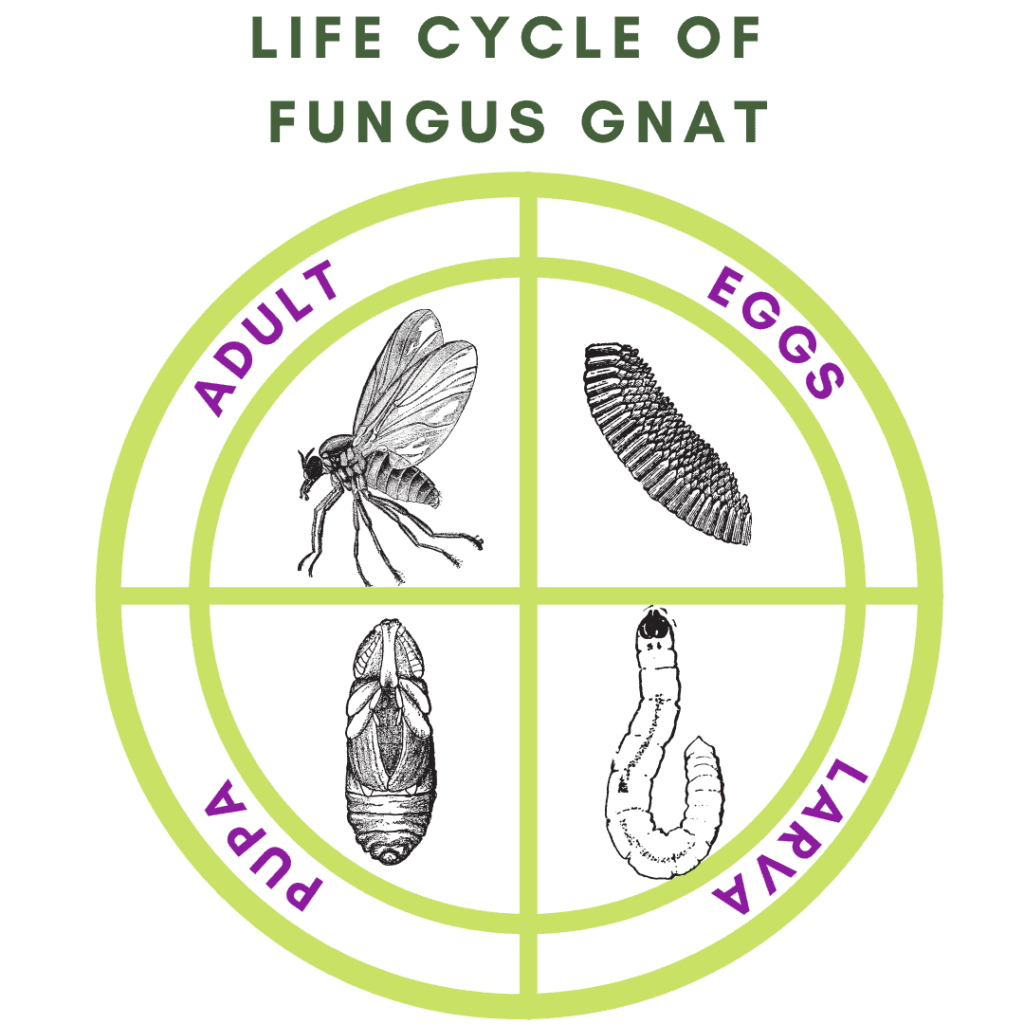
Check our video on homemade pest remedies or head over and read are Fungus Gnat Fact Check and Home Remedies how to guide
Pruning & Propagating
Pruning these plants will heavily depend on the maturity of the plant. Most immature plants will only really need a light trim back to correct any leggy growth. However, to make the best use of the new growth, it is a good idea to pinch the top of the growing stem to remove it, this will encourage even more new growth to form on the stem, giving it a more busy appearance.
If you have a more mature Peperomia it’s good to give your plant a hard trim back once a year. They can tolerate heavy pruning and will respond with an influx of fresh compact growth.
Besides trimming back for aesthetic purposes you should also use this opportunity to remove any damaged, diseased, or dead growth. But almost all the material you gather from pruning will be great for propagating.
Peperomias are very easy to propagate because they tend to develop roots from pretty much anywhere you have cut them back from. Simply place your cuttings in a glass of rainwater and wait for up to 2-4 weeks to start seeing signs of new roots. You will need to regularly change the water to avoid algae. Once you have substantial root growth you can place the cutting into a small pot of Cacti mix and keep it in a high-temperature environment.
You can also put your cutting straight into a jar with fresh sphagnum moss. This is probably the easiest way to propagate as it involves the least steps. Simply take your cutting, find a jar or pot preferably with no drainage holes, fill it up with fresh moss and nestle your cutting in the centre. Fill up the jar with water so the moss has been evenly watered and then drain out all excess water making sure not to leave any at the bottom of the jar when standing upright. Now just keep an eye on your new cutting, checking the moss every couple of days to ensure it hasn’t dried out.
We’ve got all sorts of great moss you can use check them out here!
Troubleshooting & Tips
- Yellowing and curling leaves are indicators of overwatering. It is best to remove damaged leaves and place them in a warmer environment to dry out.
- Sudden leaf drop, crisping, shrivelled, or browning leaves are a sign of underwatering.
- If your plant is growing slowly and not producing new leaves, this is a sign it is not getting enough light and will need to move to a brighter environment.
- If the tips of the leaves are turning brown, this is an indicator that the humidity is too low for the plant.
- If your plant is developing soft and mushy stems, this is a sign of severe overwatering and root rot.
- If your plant has been around for quite some time and entering the more distinguished years of its life, it is a common problem for the plant to start producing bare and leafless stems. If this happens, you could either take cuttings to create brand new plants. Or you can cut back most of the plant’s stems back towards its base to give it a new lease of life.
Species
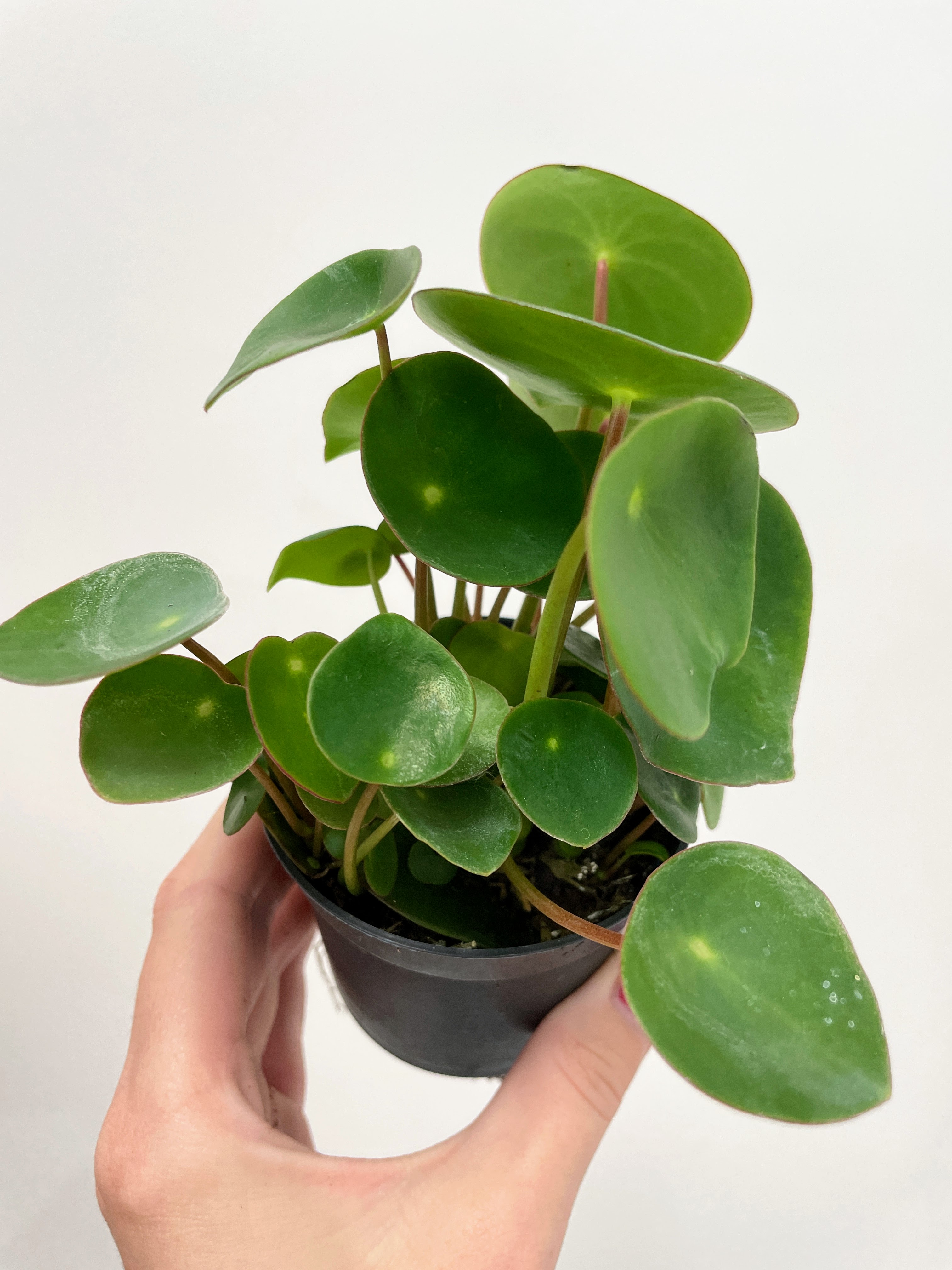
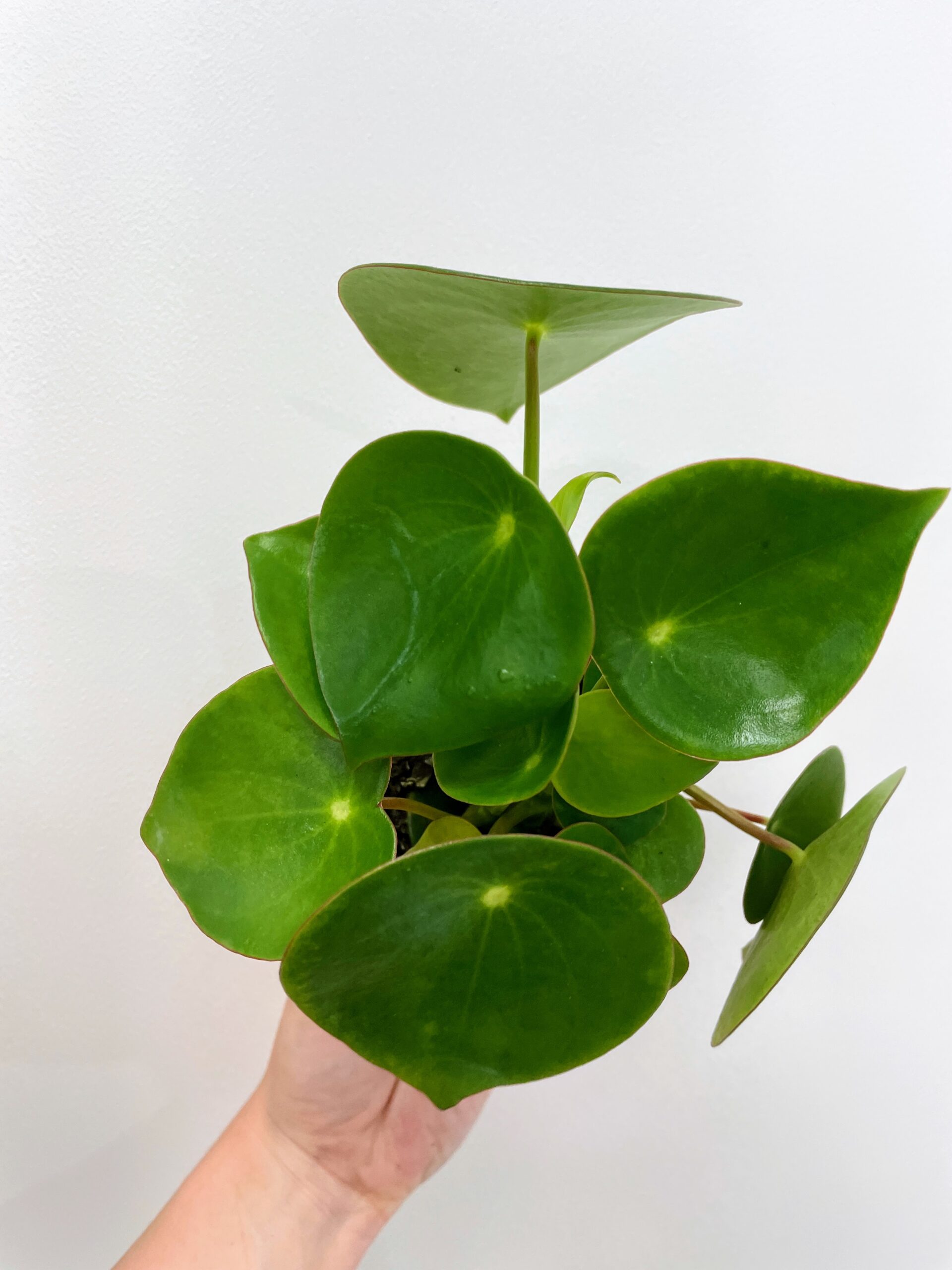
Peperomia Polybotrya Raindrop
The perfect plant for beginners, these compact little plants have huge potential! Its raindrop-shaped leaf is a gorgeous shiny deep green that is almost leathery to the touch. As these plants mature and start filling out they become truly spectacular creating long stems giving the illusion of a ladder of raindrops.
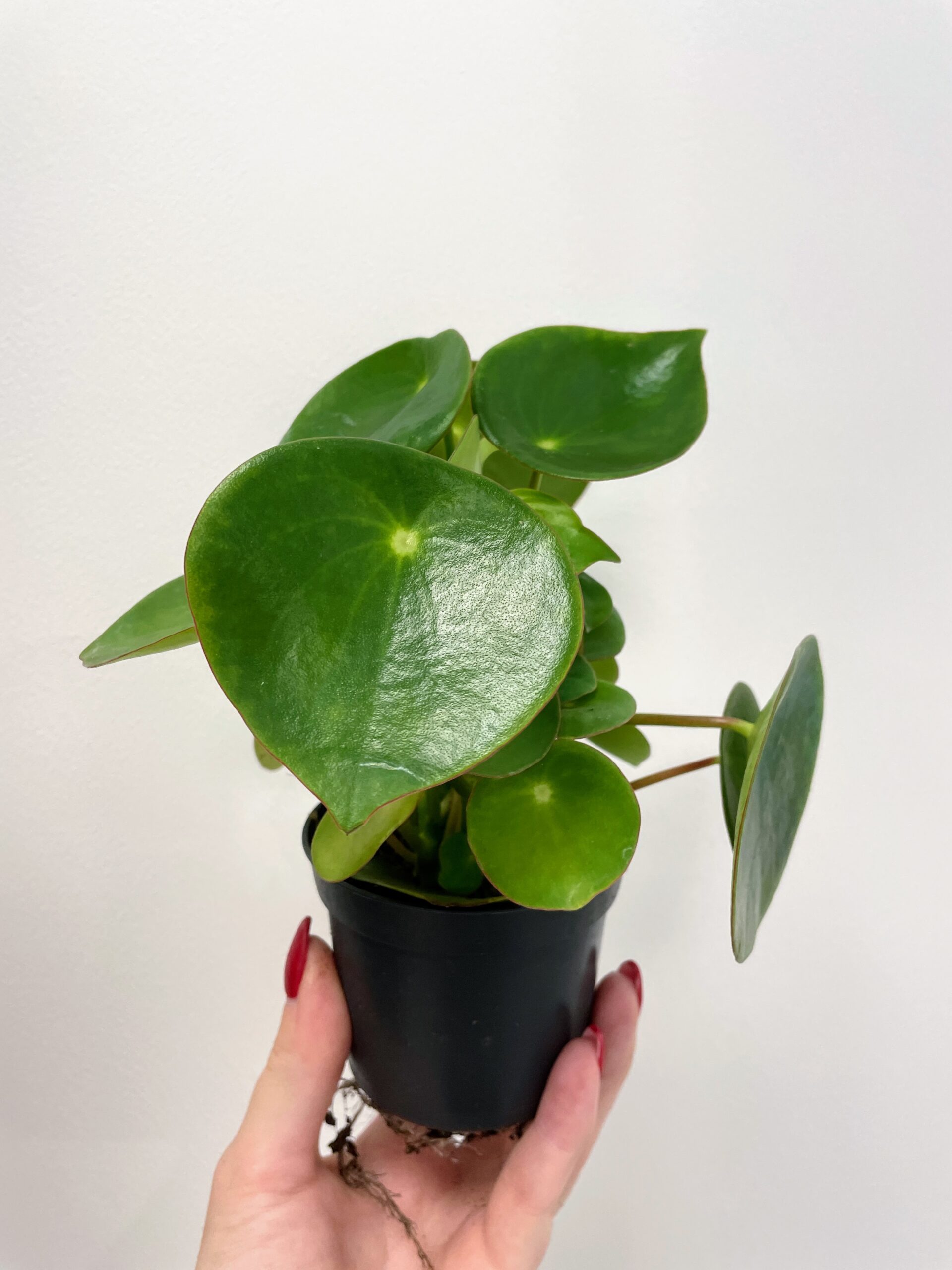
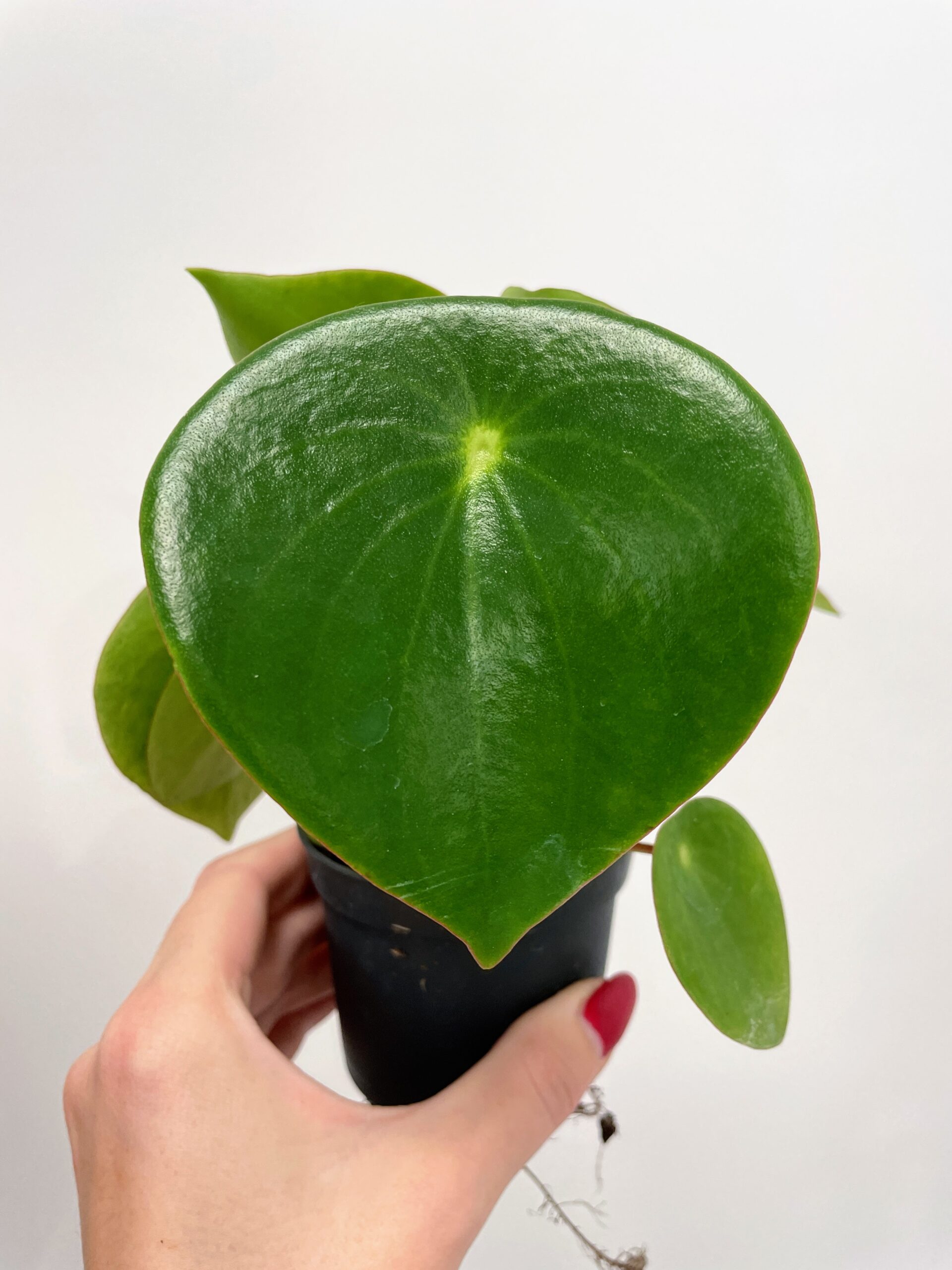
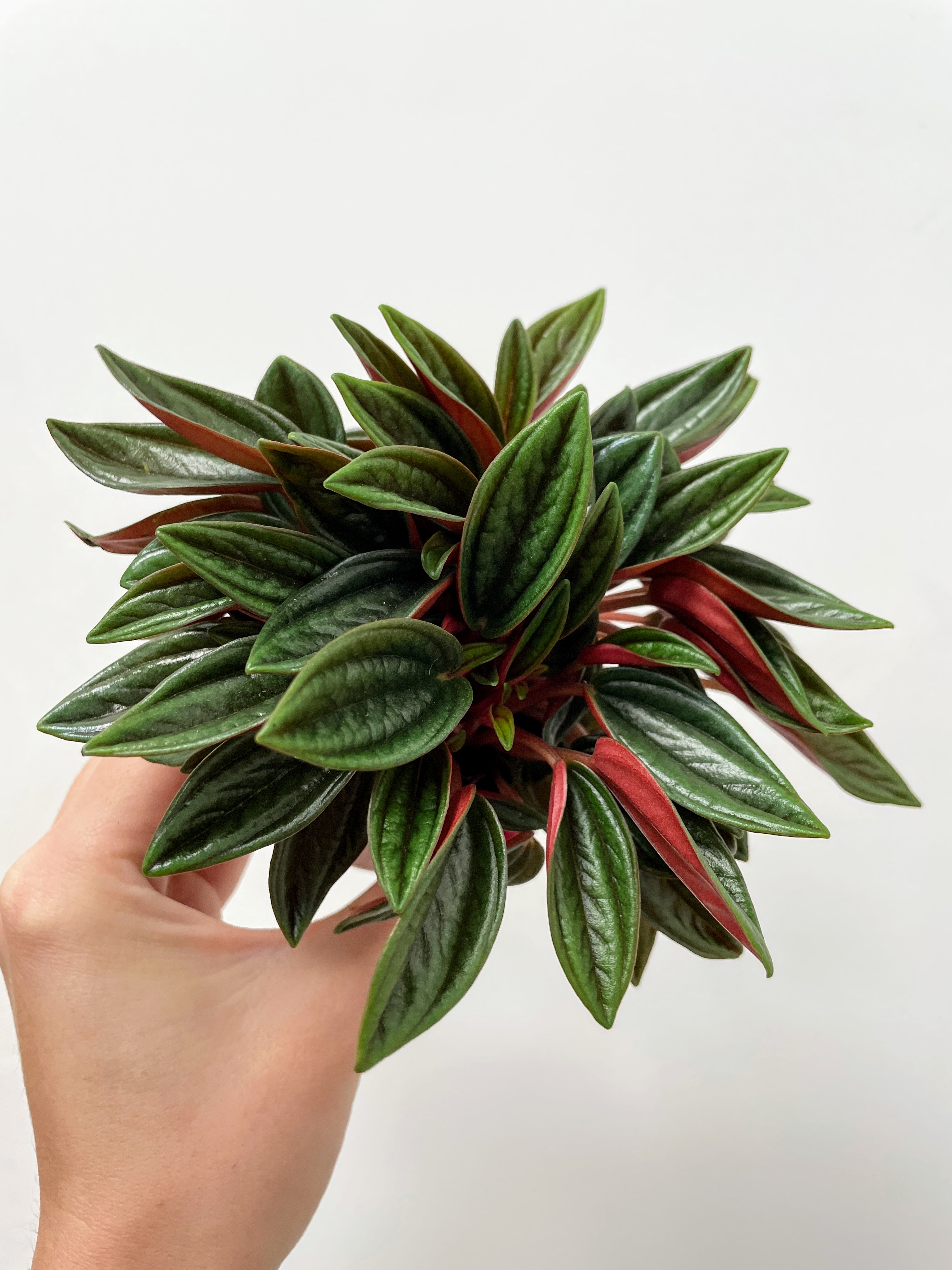
Peperomia Rosso
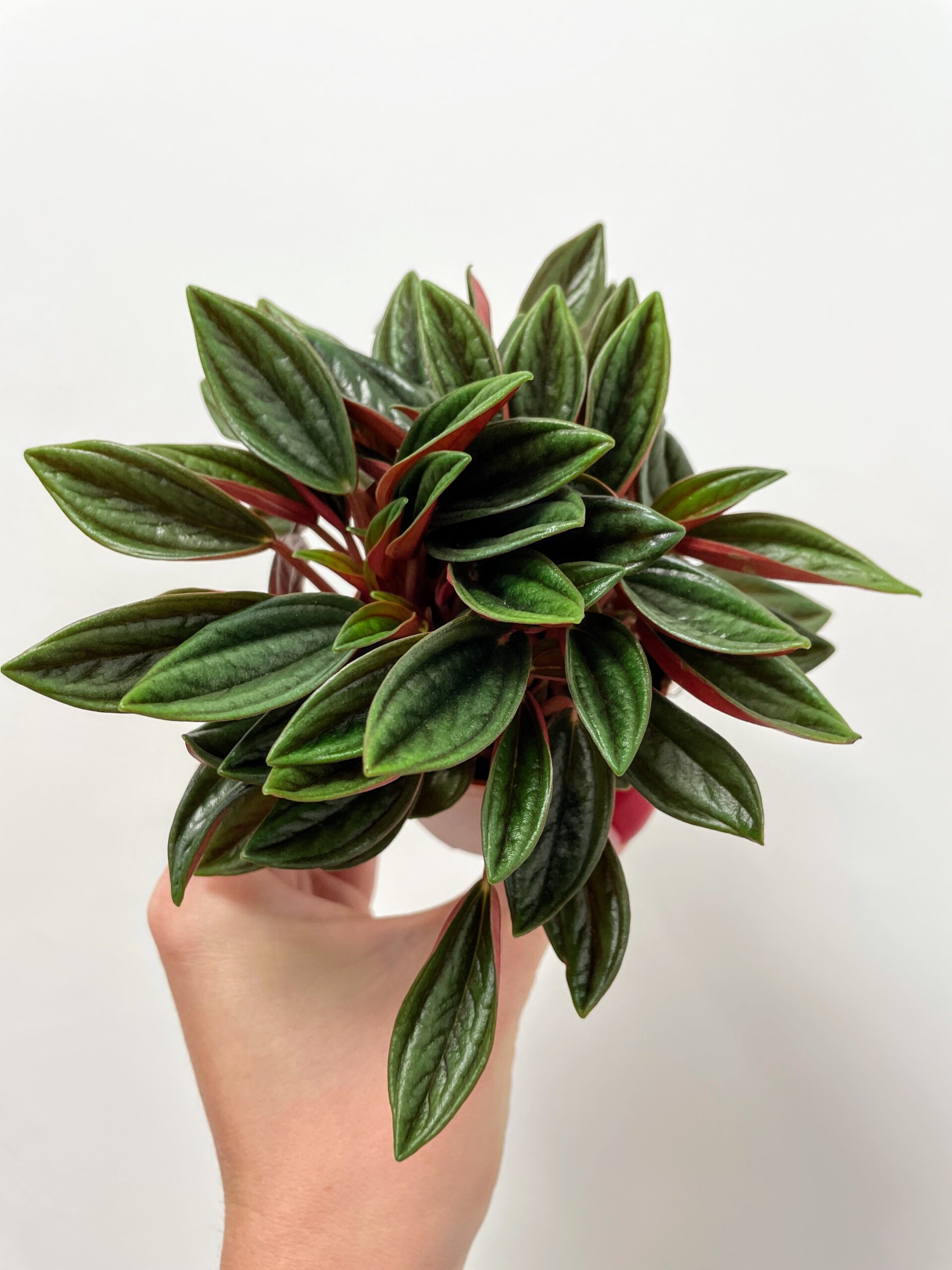
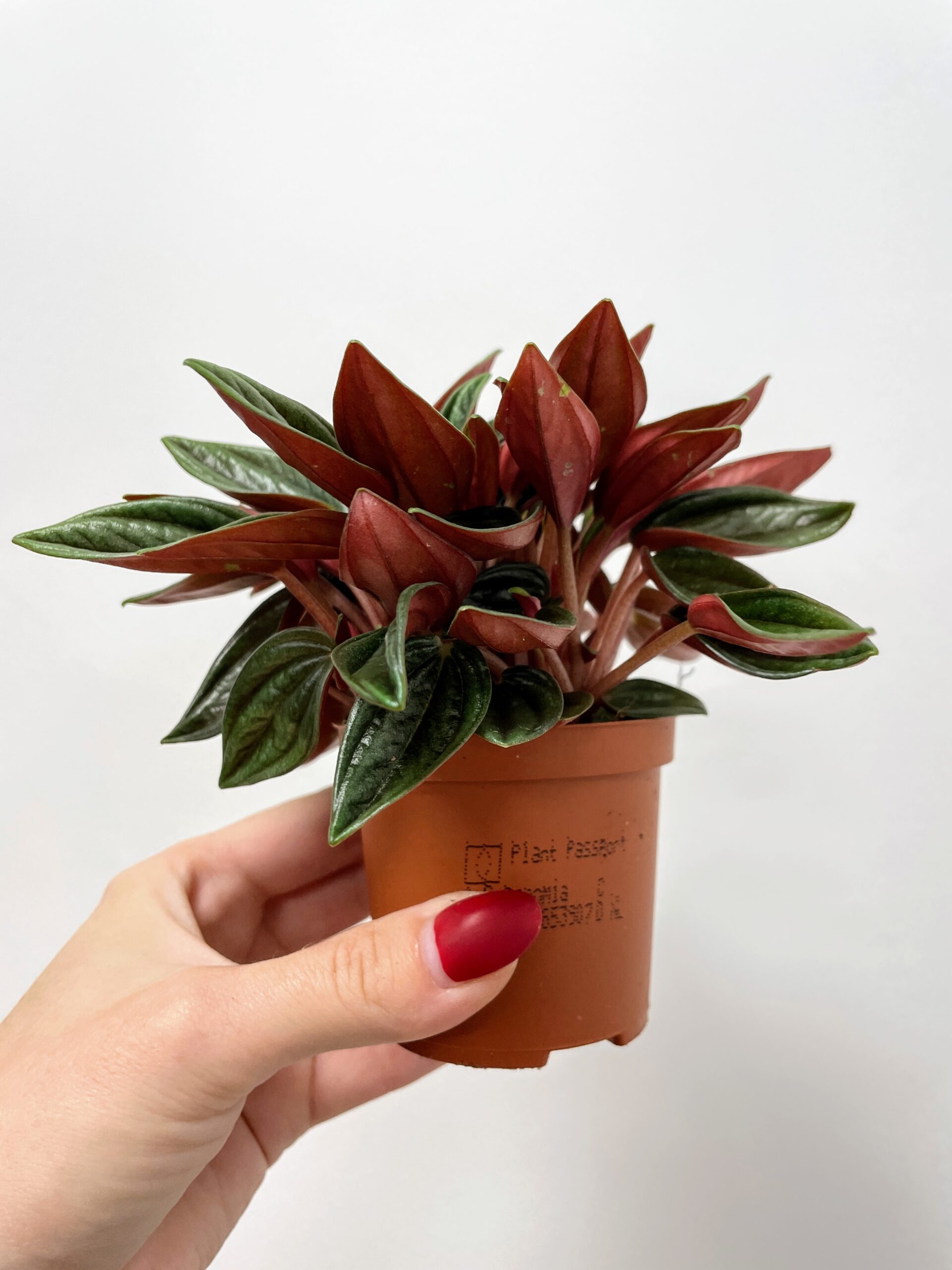
This is probably one of the most tolerant plants you can buy! This semi-succulent can deal with a lot of neglect and still come back from the brink and thrive. Its small thick spear-shaped leaves are an incredibly rich dark green, but what really makes this plant stand out is the striking maroon-red underside of the leaf which stands up proud showing itself off as the plant matures.
Head Over To The Shop To Grab Yours Now!
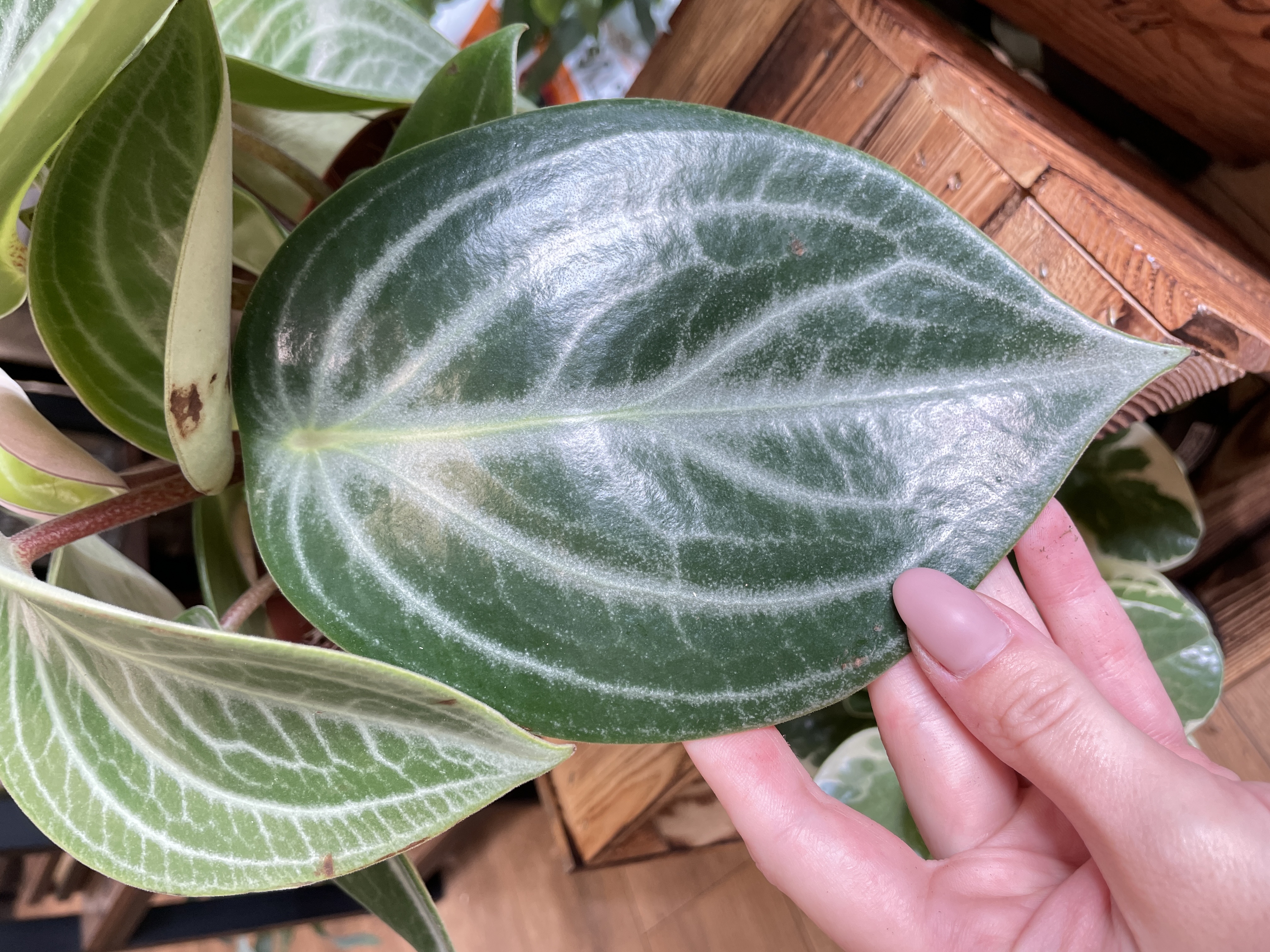
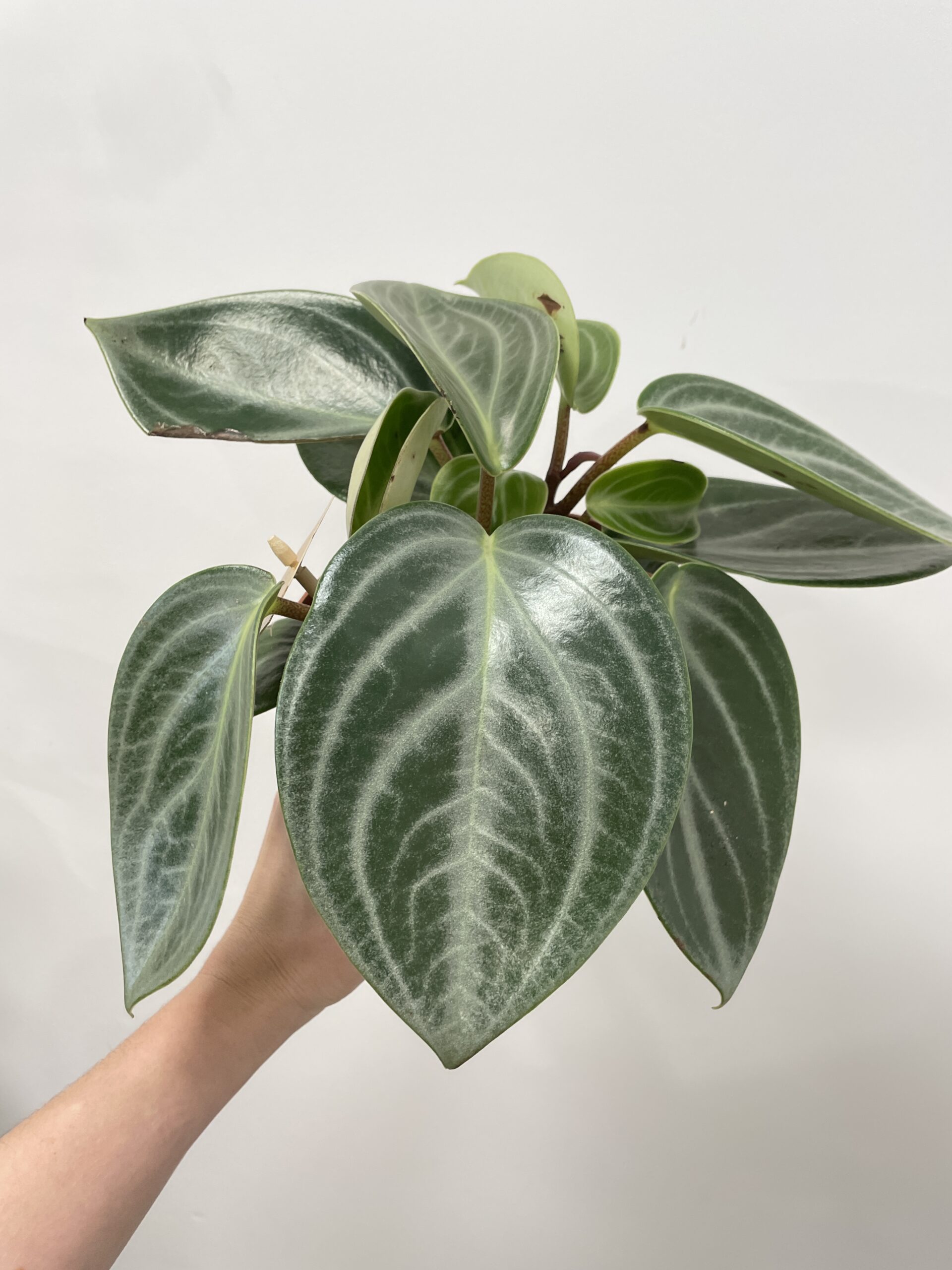
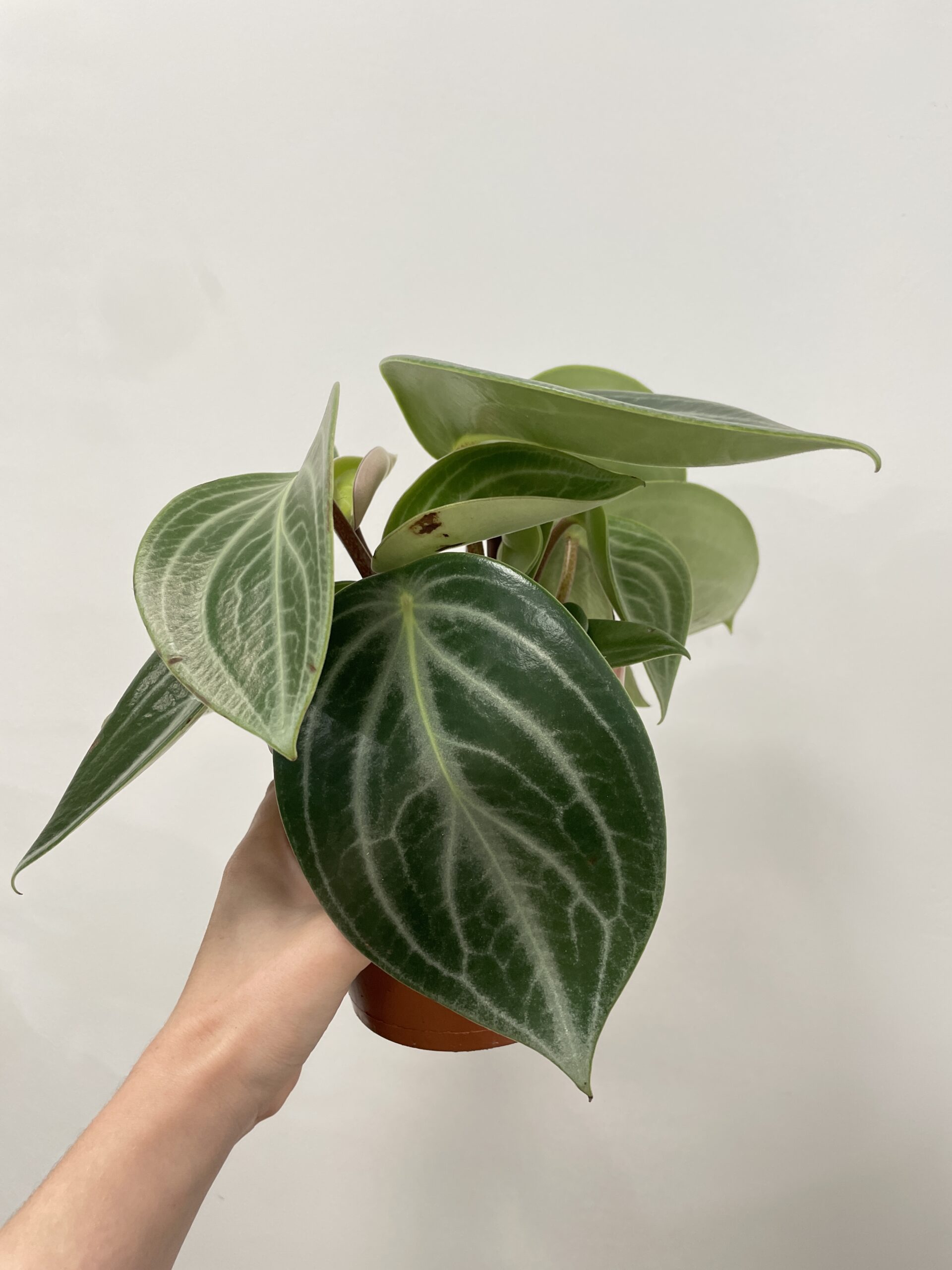
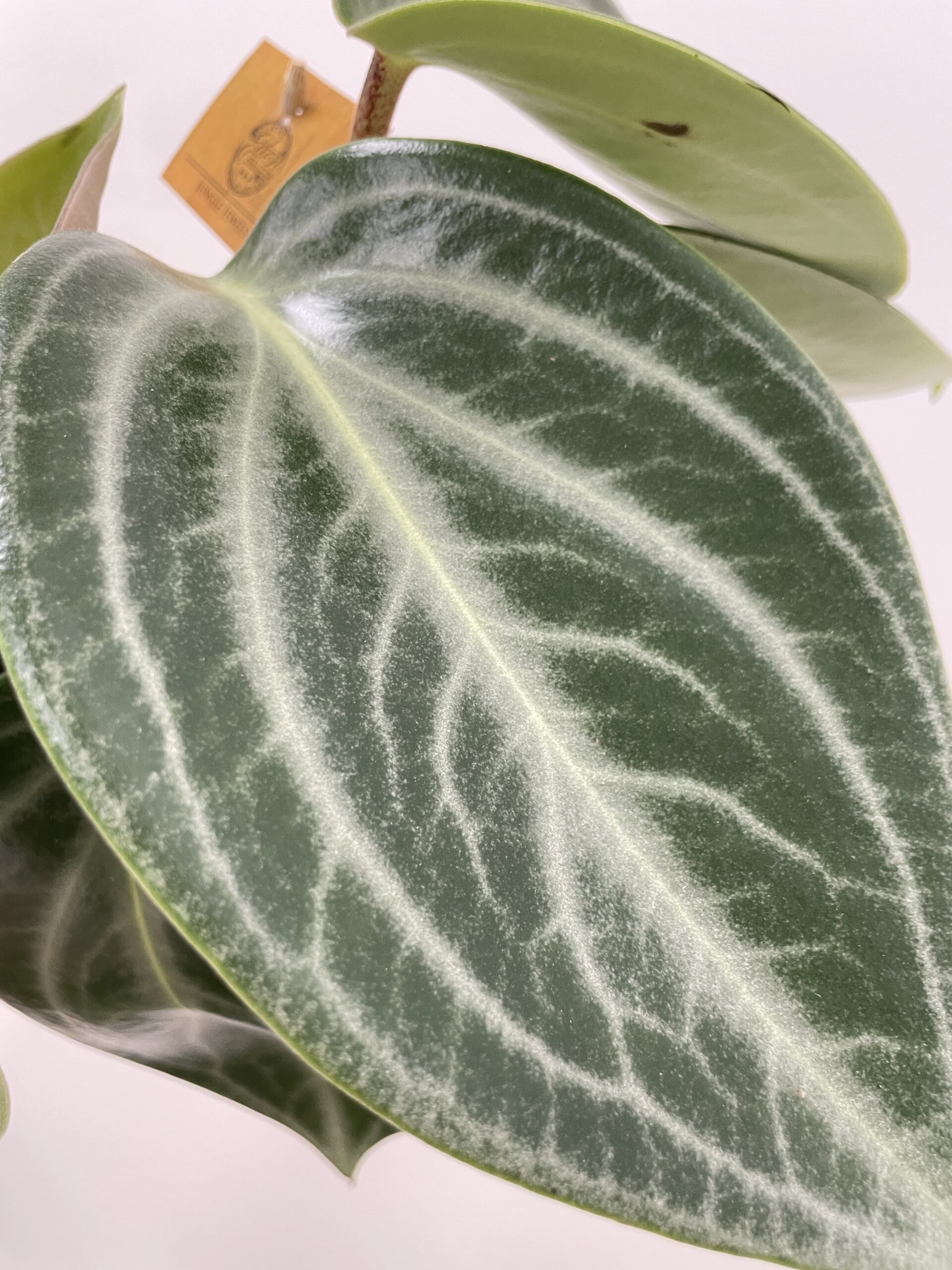
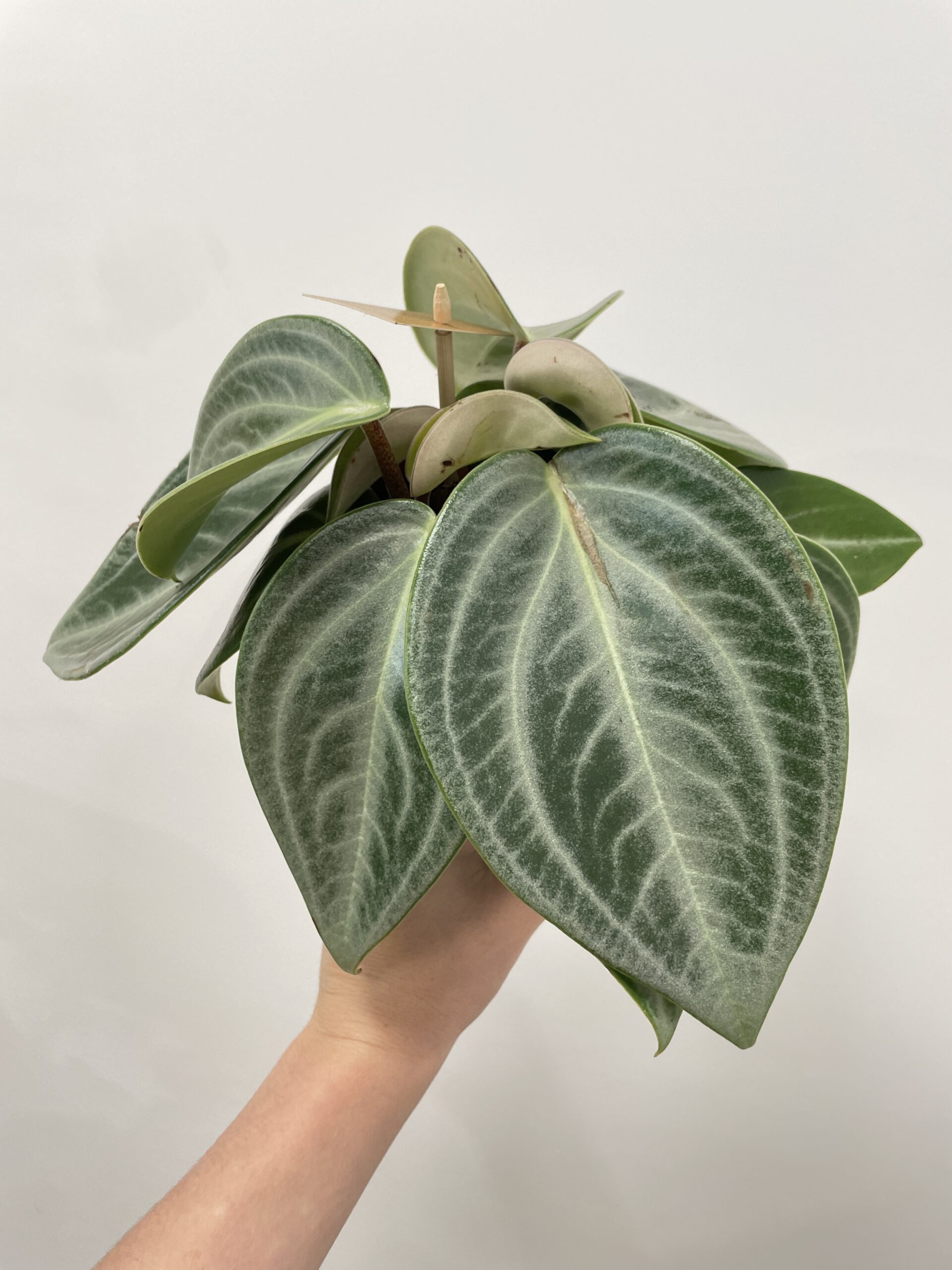
Peperomia Pseudovariegata Var. Sarcophylla
One of the larger-leafed Peperomias and gladly so, amongst the expected rich green colour of the thicker than usual leathery leaf, this plant has a beautiful addition of a glossy silver finish that runs along the veins of the plant. This one-of-a-kind little plant can have a big impact on any space.
Head Over To The Shop To Grab Yours Now!
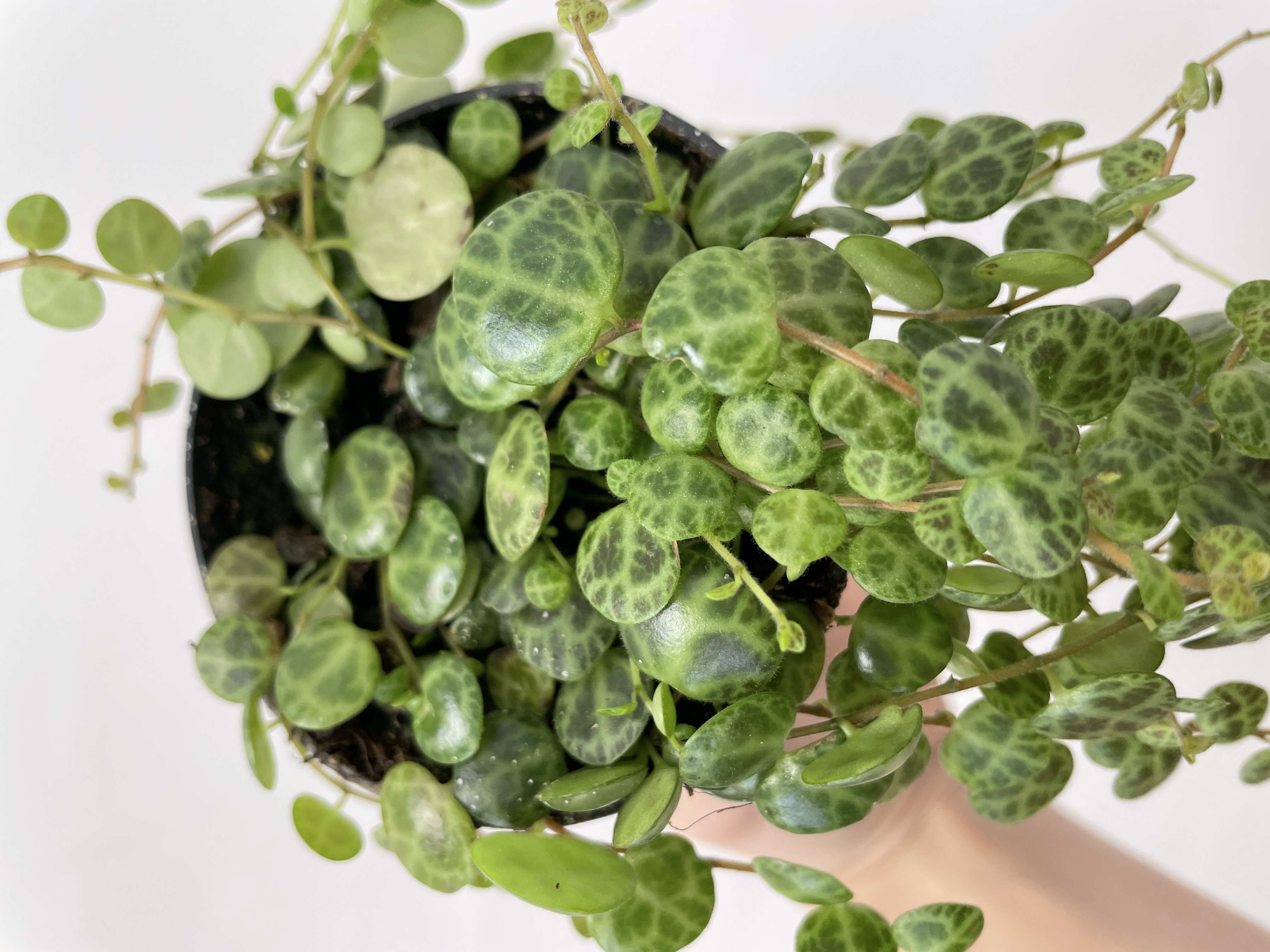
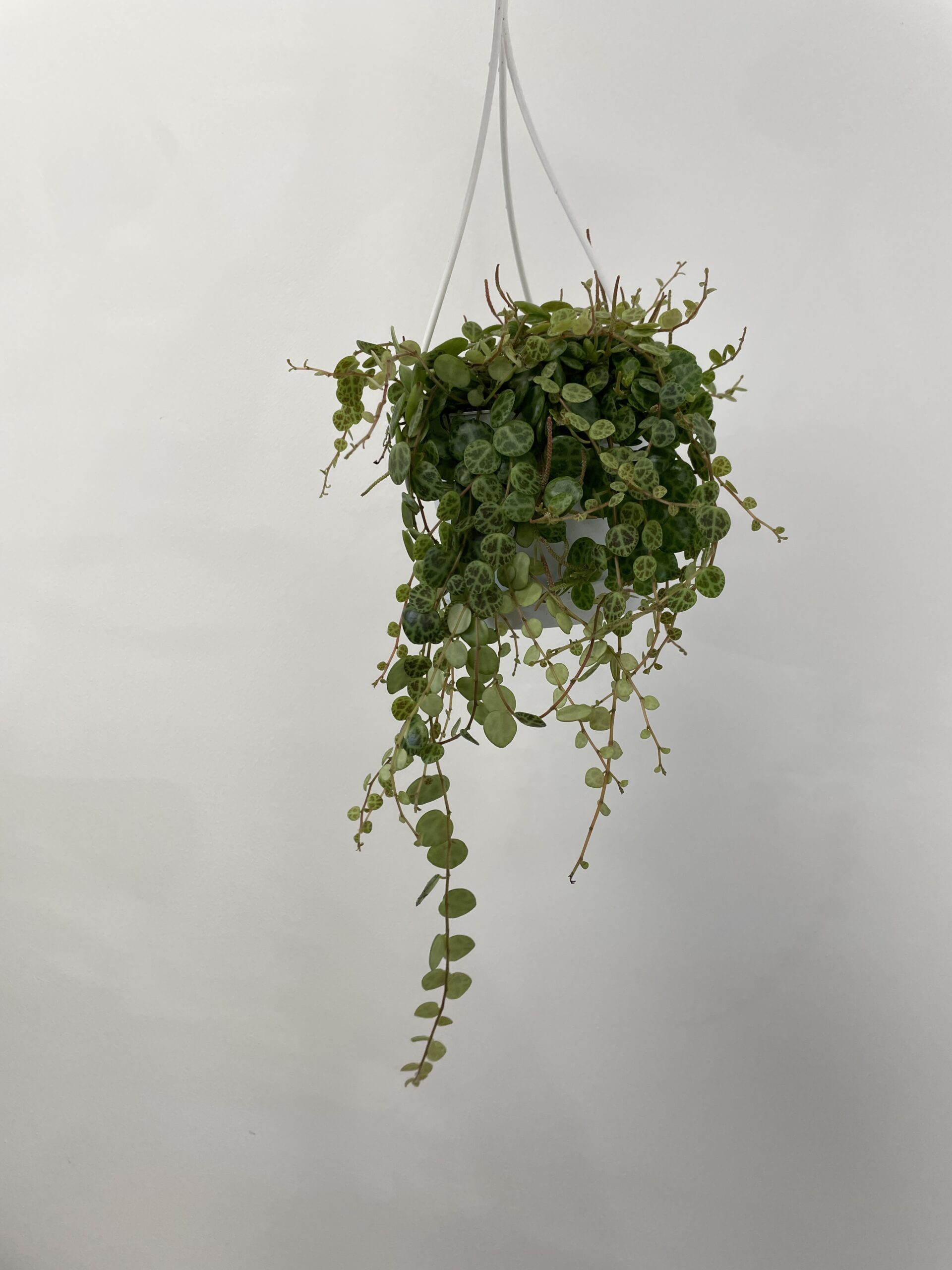
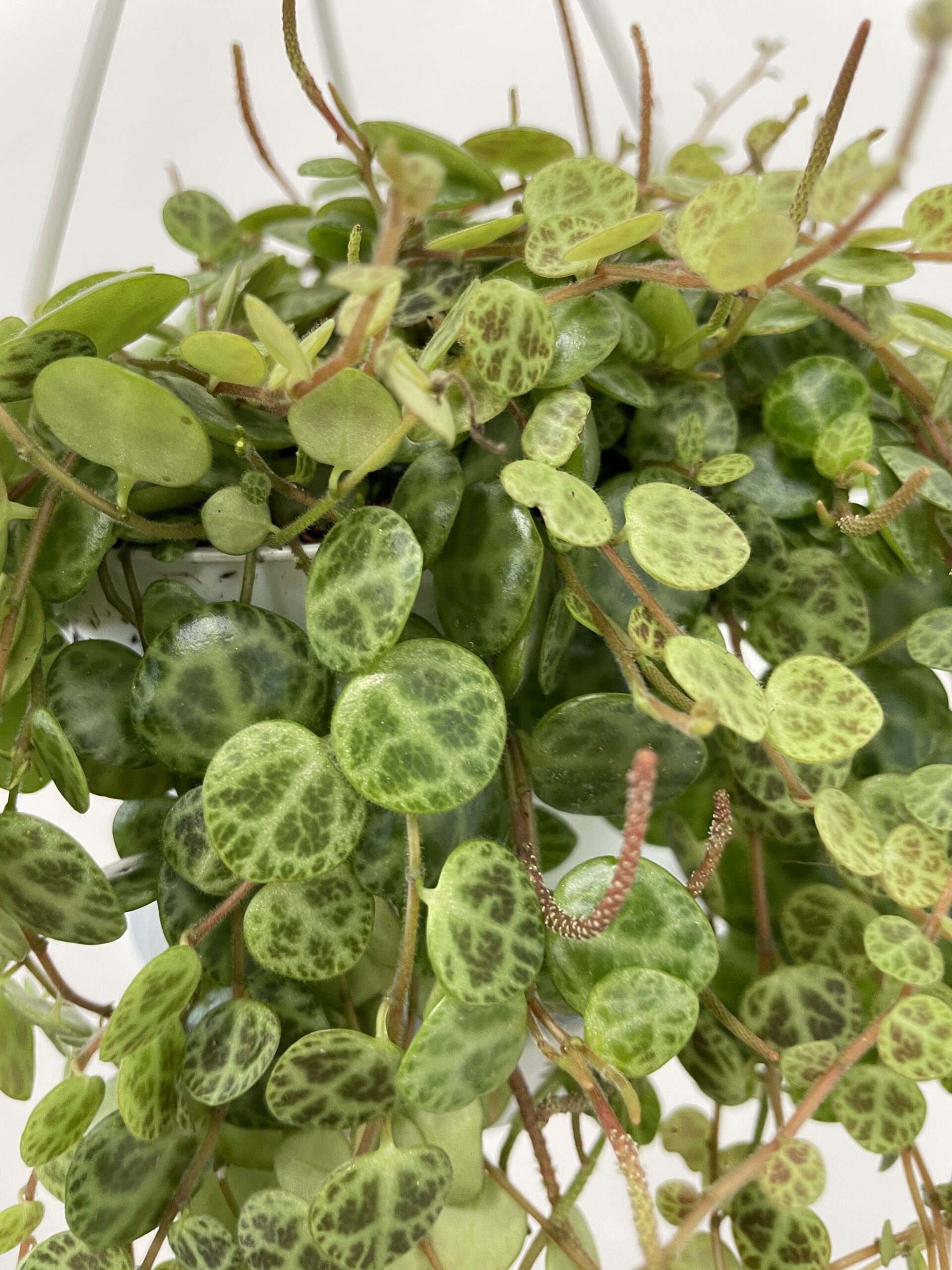
Peperomia Prostata String of Turtles
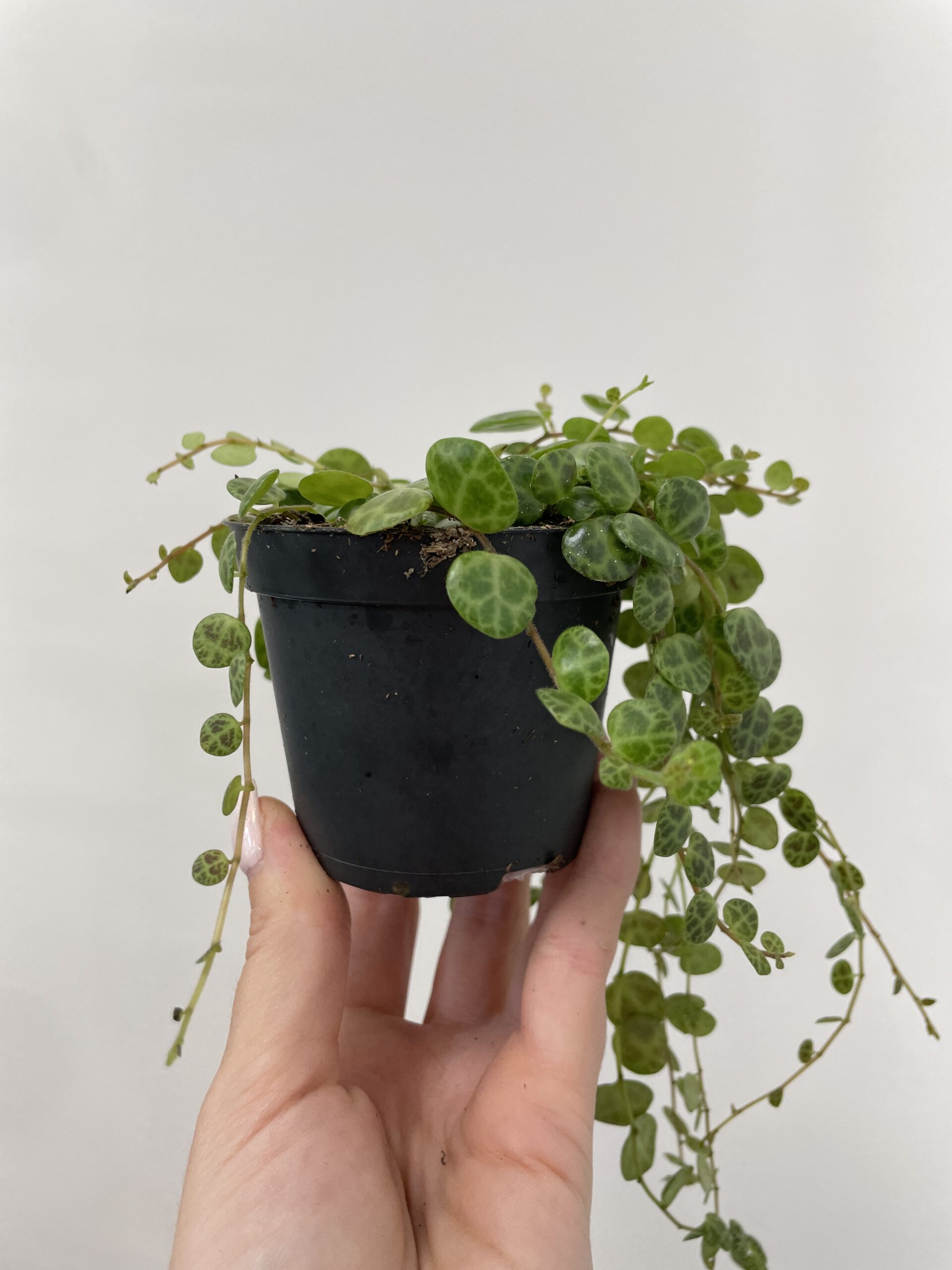
This makes for a great alternative, low maintenance, hanging plant. This unique variety of Peperomia is semi-succulent that produces a dark green to a slightly purple dotted pattern on its delicate, round, shell-like leaves giving it the name “String of Turtles”. This relatively easy-to-care-for miniature Peperomia is an elegant addition to any plant collection.
Head Over To The Shop To Grab Yours Now!
Peperomia Obtusifolia Variegata
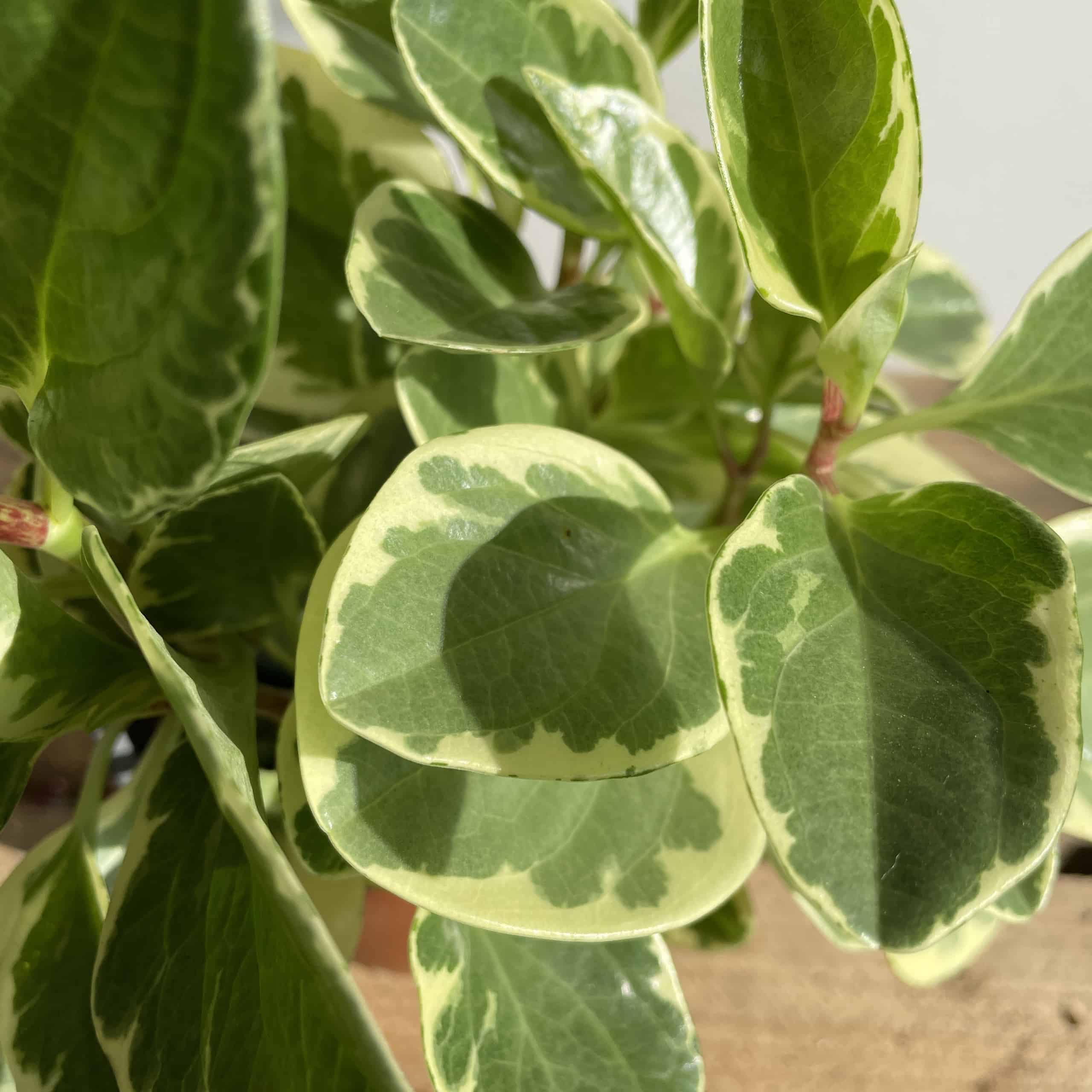
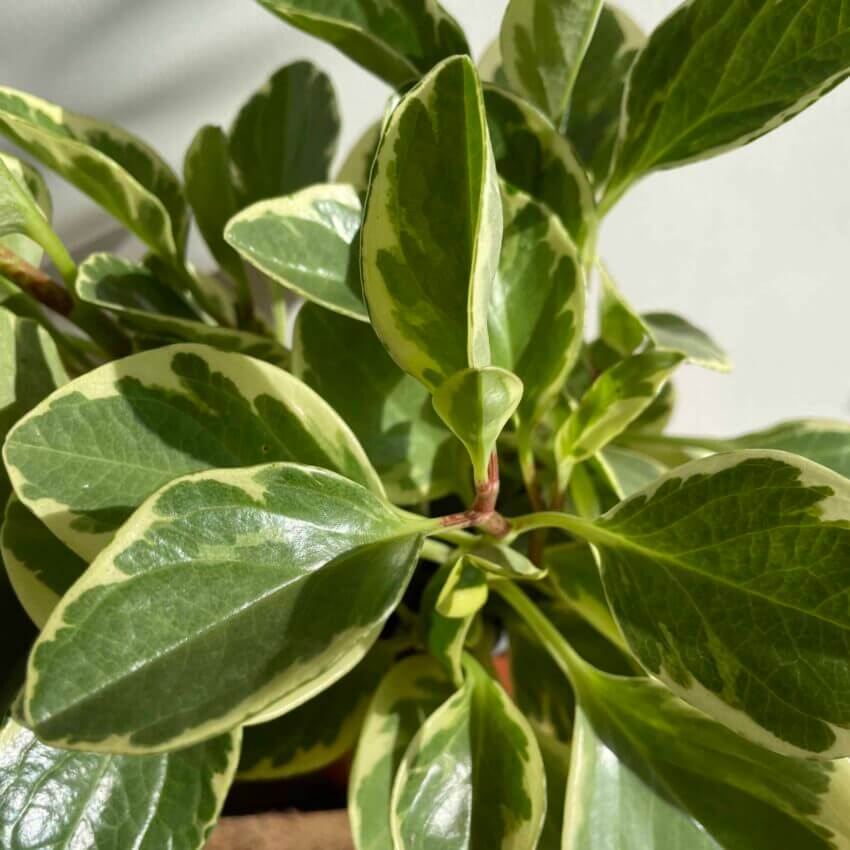
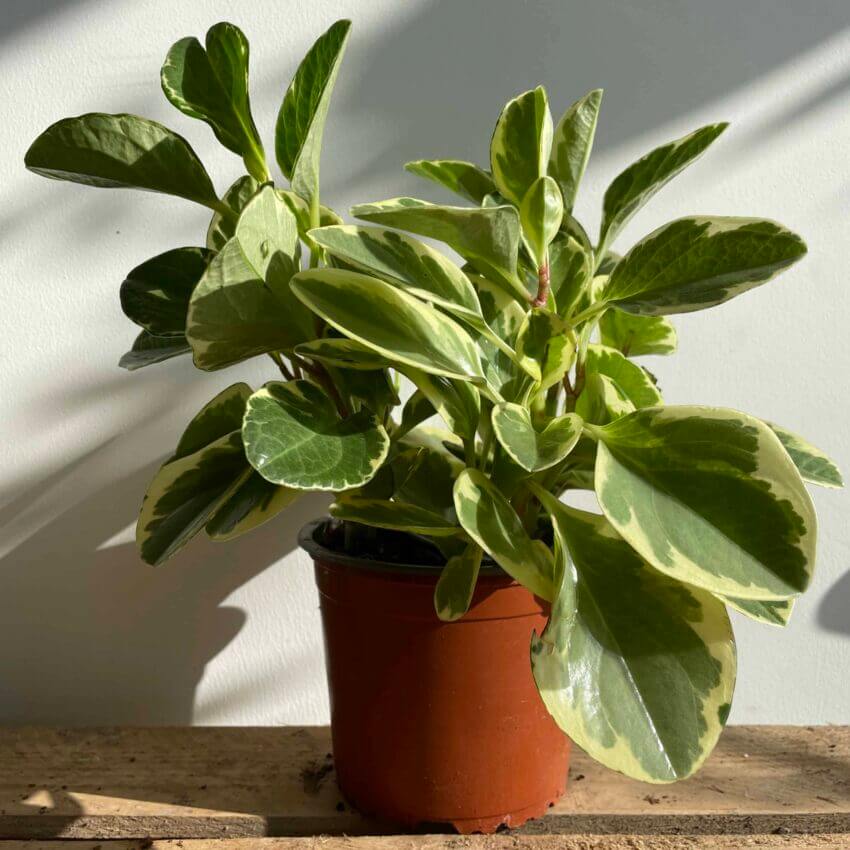
Also known as the Baby Rubber plant due to its close resemblance to a variegated Ficus Elastica, this bushy Peperomia has glossy thick leaves highly decorated in multiple shades of variegation. Including rich olive green centres that transition to creamy white edges. This plant is incredibly easy to look after and can thrive on slight neglect.
Head Over To The Shop To Grab Yours Now!
If you enjoyed this guide head over to Articles & Blogs to learn more or check out our YouTube for even more useful information!