Philodendron
About Philodendron
If you’re looking to bring a tropical rainforest vibe into your home, none do it better than Philodendrons. This striking genus of plant belongs to the Araceae (Arum) family and with an estimated 900 species it is the second-largest species in the family.
Philodendrons are native to the Americas and found stretching across the continent from north to south. They are almost always found in high-humidity environments, along rivers, in swamps and of course, in their most comfortable environment, tropical rainforests. The species consists of two main types, non-trailing and vining plants which are both popular amongst houseplant lovers for the abundant feeling they create.
Philodendrons, which literally translates from Greek into ‘love trees’, can grow to be huge specimen plants with some non-trailing species reaching up to 18ft tall and 6ft wide and the vining species stretching up to 30ft long in their natural environments. Both share their gorgeously textured leaves, the two main types of these plants are made up of three basic groups within the species. Which include terrestrial plants (your classic ground dweller), epiphytes (plants that grow on other plants, often assisted by aerial roots) and hemiepiphyte (part epiphyte and part terrestrial). Some of the most interesting species in this family are the hemiepiphyte, from the ground they start scaling a tree high up into the canopy by wrapping their aerial roots around the trunk, once they have found a good spot they will gradually turn themselves into an epiphyte by releasing their subterranean roots and continuing its existence high up in the forest canopy.
Overall these plants are a true wonder to have in the home and with their ability to grow huge tropical-looking glossy green leaves or gorgeously trail up a moss pole, with the added benefit of being able to purify the air in their surroundings. This easy-to-care-for house plant is sure to add a sense of magic to your environment and leave you wanting more.
Light
Philodendrons thrive in bright, indirect light, or partial shade like most houseplants. The brighter the spot, the more vigorously the plant will grow. But with the natural environment in mind, they are hardy enough to grow in lower light conditions at a slower rate, which can be desirable if you want to keep your plant from going completely wild.
Humidity
Most varieties of Philodendrons that have been cultivated for houseplants originally come from the tropical rainforests of South America. Meaning that higher humidity levels will make them feel much more comfortable and will encourage your plant to produce vibrant and lush foliage. These plants will adapt to their environment and can tolerate the average home humidity level (40%) but will still require regular heavy misting to really see the plant perform well.
Water
Philodendron sits comfortably in the middle of the watering spectrum. They like to have their soil kept slightly moist but not wet or soggy as this can lead to root rot and fungal infection. A continuous moist soil will be the ideal sweet spot. Philodendrons are vigorous growers throughout spring and summer and during these times they can absorb water incredibly quickly so the plant shouldn’t be allowed to dry out completely as this will result in brown and crispy leaves that will not recover and stunt growth.
Soil
Philodendrons prefer well-drained soil that can retain moisture between watering. The ideal soil mix for Philodendrons will be nutrient-rich, allow for good aeration, be slightly acidic, and be free-draining with a smidge of water retention. Most aroid potting mixes will be sufficient, but you can always add perlite for some additional drainage, and vermiculite for added water retention. With a combination of these, you can provide the best environment for your plant to thrive.
Grab Your Ready-To-Use Aroid Mix Here
Feed
Philodendrons grow fast! Thriving plants will need regular feeding to keep the nutrients at optimal levels in the soil. Like most houseplants, to promote healthy roots, stems, and leaves they will need a steady supply of nitrogen, phosphorus, and potassium. The most important is nitrogen to keep their leaves large and looking their best.
A good liquid houseplant feed can be applied every two to four weeks during the growing season. There’s no need to feed during the winter, light levels are much lower and the plant won’t use as much energy to grow.
Repotting
It’s best to re-pot your Philodendron once the roots fill their pot. Depending on the size of the plant, you may find yourself repotting once per year. That being said, they don’t mind being pot-bound, they can survive like this for quite some time, as long as they are receiving enough nutrients via feeding.
The pot size can increase by one step up every year for as long as you have the space to house the new influx of growth. If you have reached your maximum pot size you will need to top-dress the plant once a year with a fresh layer of soil to replenish the nutrients.
The best time to repot your Philodendron is when spring arrives. Outside temperatures will rise and the daylight hours will increase. When this happens your Philodendrons will react quickly to the environmental change and start producing lots of new foliage growth.
You will need to pick a pot with good drainage, we don’t want water hanging around the roots.
Next, fill a third of the way up with an Aroid Potting mix. Place the root ball of the plant in the centre of the pot.
If you are repotting a climbing/vining variety of Philodendron now would be the time to install the moss pole. It’s important to use a moss pole because it acts as a natural climbing frame for climbing Philodendrons.
Once you’ve got the plant and/or moss pole in place, fill the pot with the rest of your potting mix and firm down the soil.
When you’ve finished and got your plant back in the perfect spot you can give it a thorough watering to settle the plant into its new pot. Keep a close eye on it for the first couple of weeks and then relax back into your normal watering and feeding schedule.
Pruning & Propagating
Due to the fast-growing nature of these plants, it’s useful to trim them back to keep them from growing out of control. It’s best to keep the new growth trimmed back throughout the spring and summer if you are happy with the size of your plant.
REMEMBER – Always use clean and sharp pruning scissors!
Philodendrons are a great plant to propagate as cuttings take easily and will start producing a new root system relatively quickly. There are two effective methods to start propagating from your plant;
Dividing
Philodendrons can be divided in a couple of ways if you have a larger plant with a substantial root ball this can be cut into pieces and repotted. Place the root ball on a flat surface and look for natural division points (these can be identified by how the stems are growing from the surface of the plant). Once you have identified your division points and assessed that each point contains a substantial amount of roots, using a sharp sterilised knife, cut through the root ball. Transplant each new division into an appropriately sized pot in fresh potting soil.
These plants also produce baby plantlets which are easy to separate from the main root ball, they will need to be gently teased away, untangling and retaining as much of the root system as possible. Once you have removed all the plantlets place them into small containers with fresh potting soil.
Cuttings
If you prune back your Philodendron at the node, you will end up with a mass of great cutting material. Simply place your cuttings in a glass of rainwater and wait for up to 2-4 weeks to start seeing signs of new roots. You will need to regularly change the water to avoid a build-up of algae. Once you have substantial root growth you can place the cutting into a small pot of Aroid mix.
You can also put your cutting straight into a jar with fresh sphagnum moss. This is probably the easiest way to propagate as it involves the least steps. Simply take your cutting at the node, find a jar or pot preferably with no drainage holes, fill it up with fresh moss and nestle your cutting in the centre. Fill up the jar with water so the moss has been evenly watered and then drain out all excess water making sure not to leave any at the bottom of the jar when standing upright. Now just keep an eye on your new cutting, checking the moss every couple of days to ensure it hasn’t dried out.
We’ve got all sorts of great moss you can use check them out here
Troubleshooting & Tips
- If your Philodendron is becoming leggy and leaf growth is becoming stunted this is an indication that it isn’t getting enough light, it will be best to find a brighter location.
- If your plant is quickly developing yellow leaves including the newer growth this is an indicator of too much direct light, move it away from any area of direct light so it is only receiving high levels of ambient light.
- The sudden development of yellow leaves that quickly become brown or mushy can be a sign of overwatering which in most cases could also lead to root rot.
- If the edges of your plant are starting to become brown, this can be a sign of temperature shock, which can occur from sudden changes in ambient temperature or persistent cold drafts but can also develop if the plant is watered with cold water causing shock to the root system.
- If the tips of the leaves are starting to turn brown and slightly crispy this is a sign that the plant needs more humidity.
- If the edges of the leaves are turning brown and starting to curl inwards this is a sign that the plant isn’t getting enough water.
Toxicity
Philodendrons can be poisonous to people but more so to pets if ingested. These plants don’t pose any serious risk but can still cause vomiting, difficulty swallowing, abdominal pain and hypersalivation. So best to keep these plants out of reach.
Species
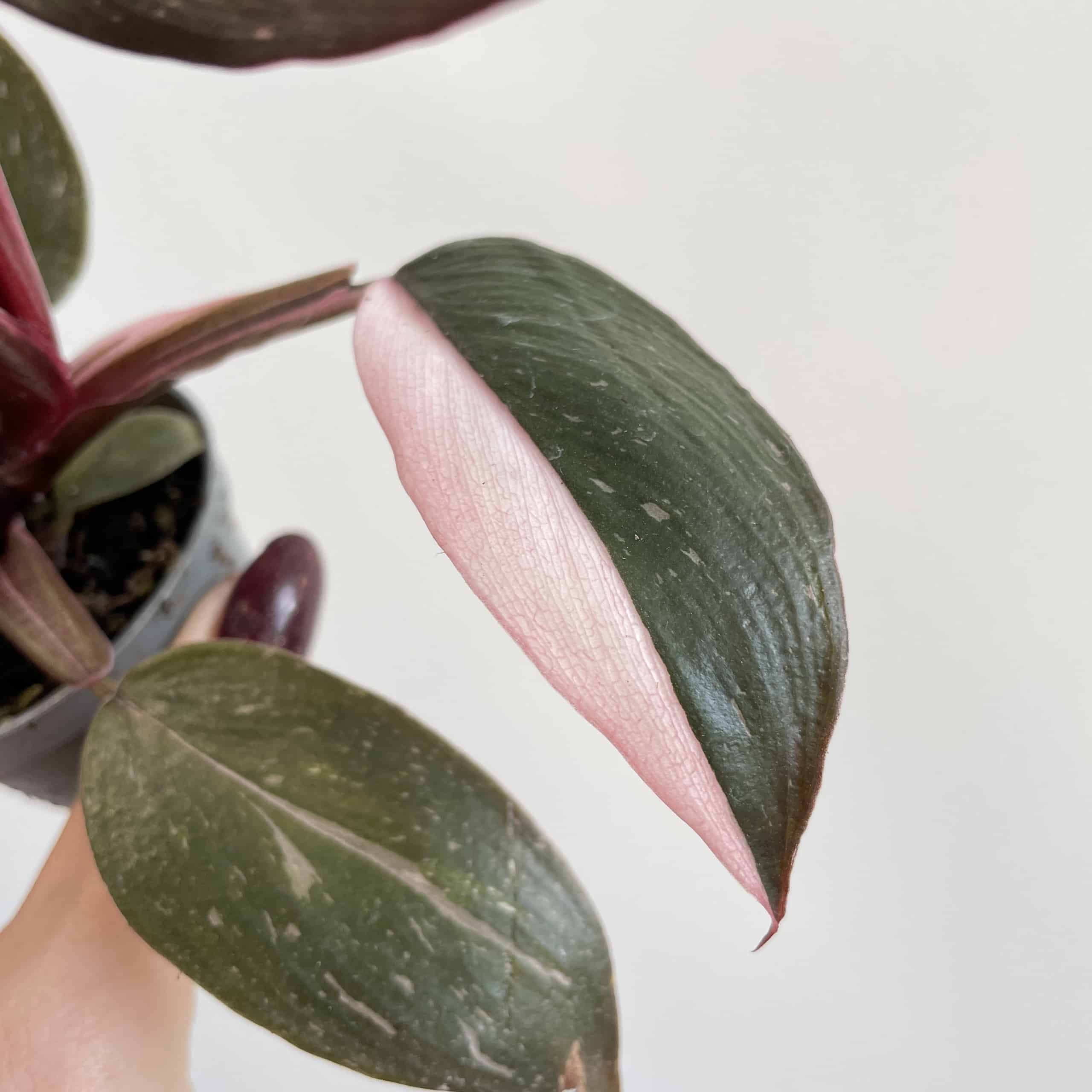
Philodendron Pink Princess
A fan favourite amongst philodendron enthusiasts, this plant is a bit of a mix between non-trailing and vining creating a beautifully structured plant. This Philodendron starts with a rich dark, almost black, leaf which is majestically contrasted by stunning pink variegation.
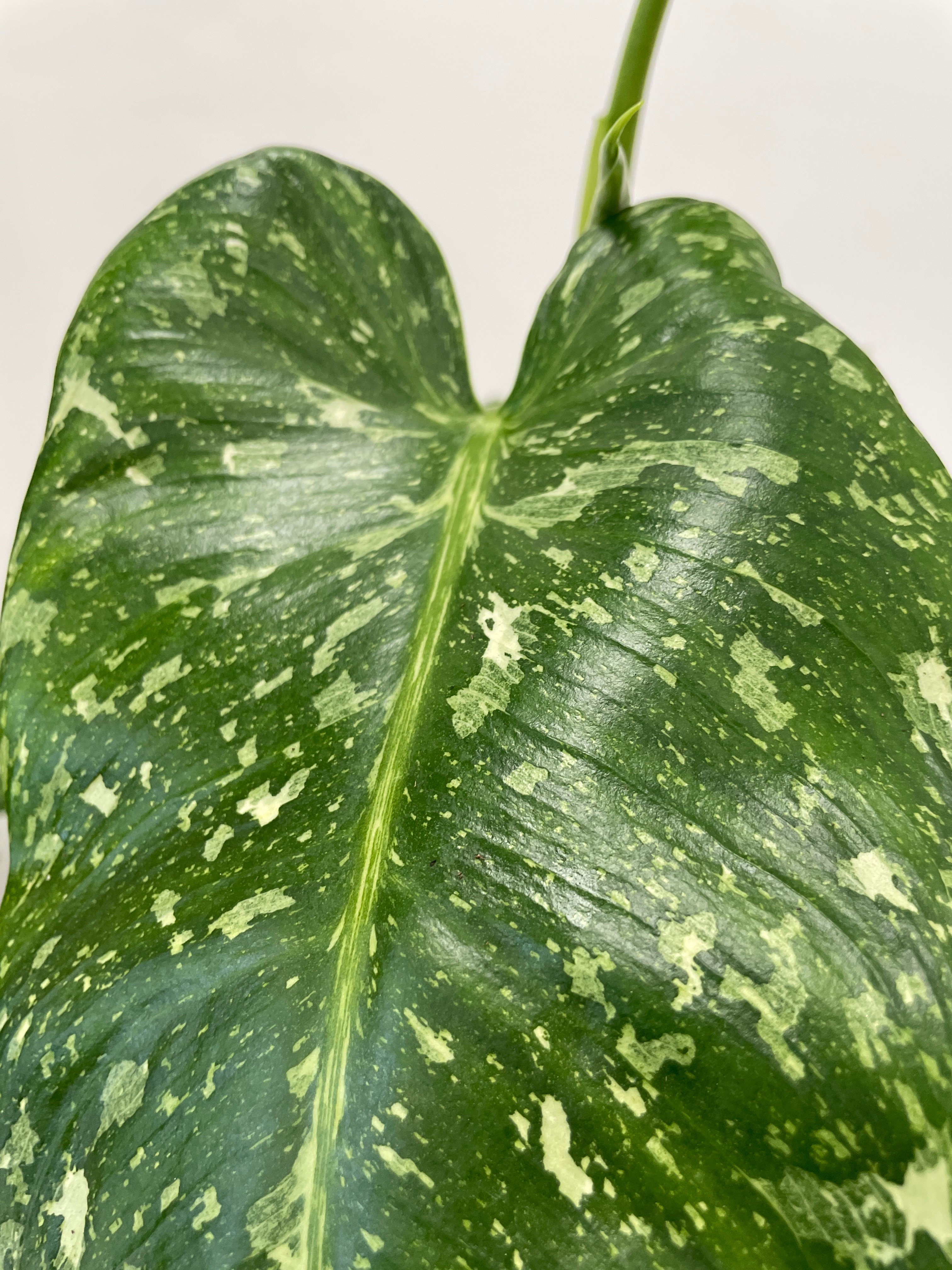
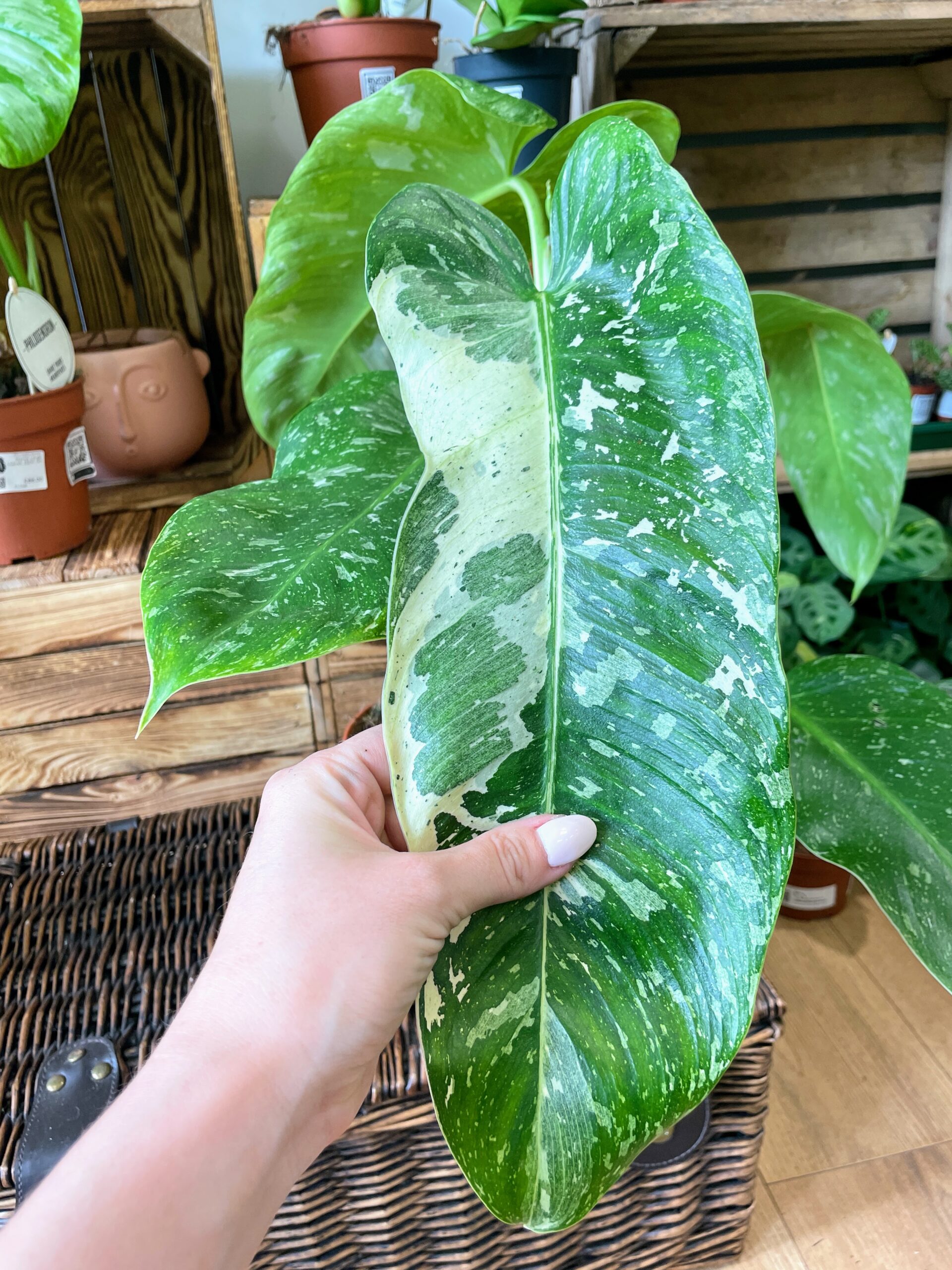
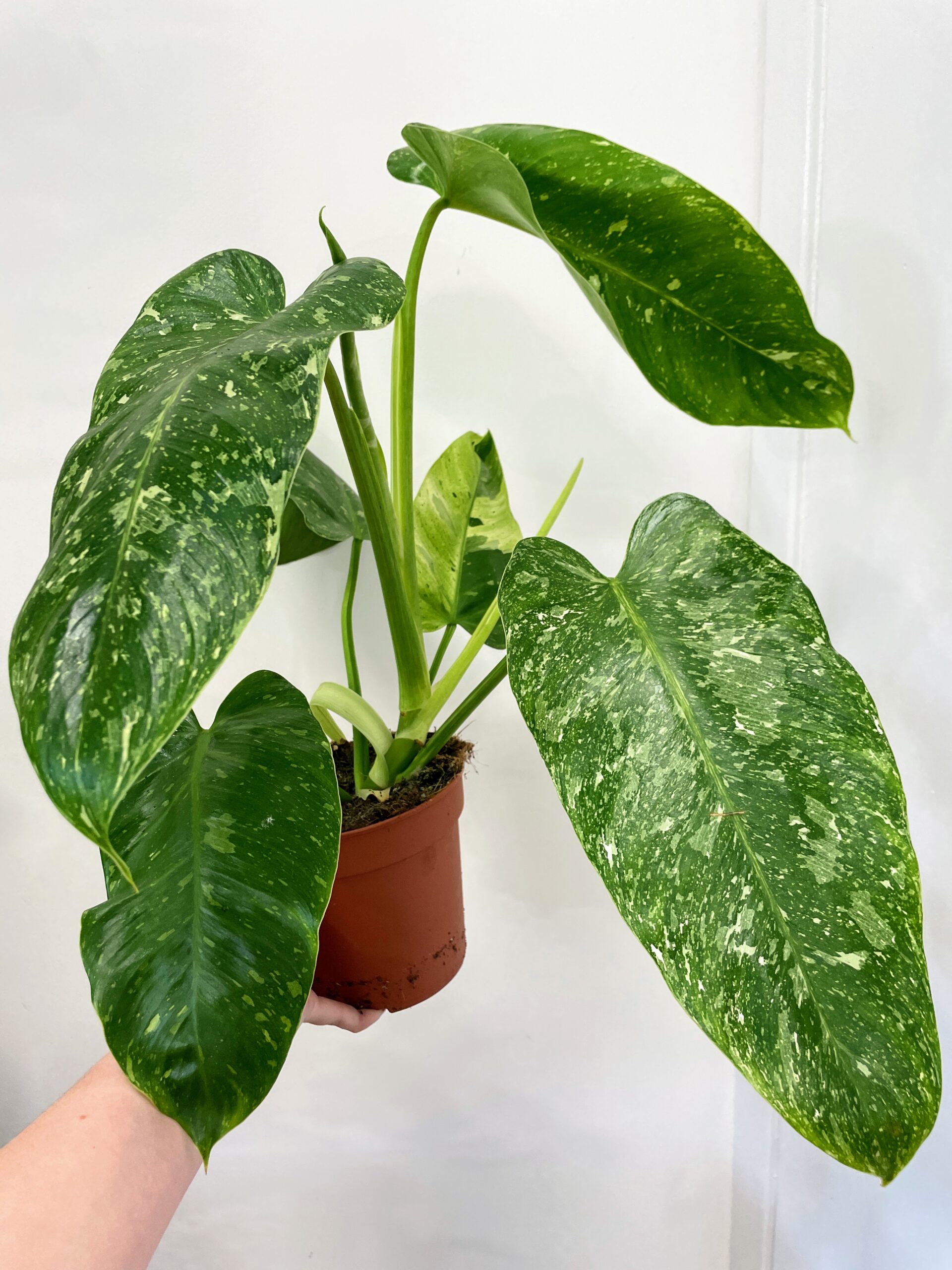
Philodendron Jose Buono
This rare climbing vine variety of Philodendron is incredibly easy to care for as it has a great tolerance for low light and is more forgiving if it’s left to get on the drier side. The long, dark green, spade-shaped leaves can grow massive and pop with creamy white variegation. This plant is a quick grower and can fill space with ease, it’s perfect to train up a moss pole.
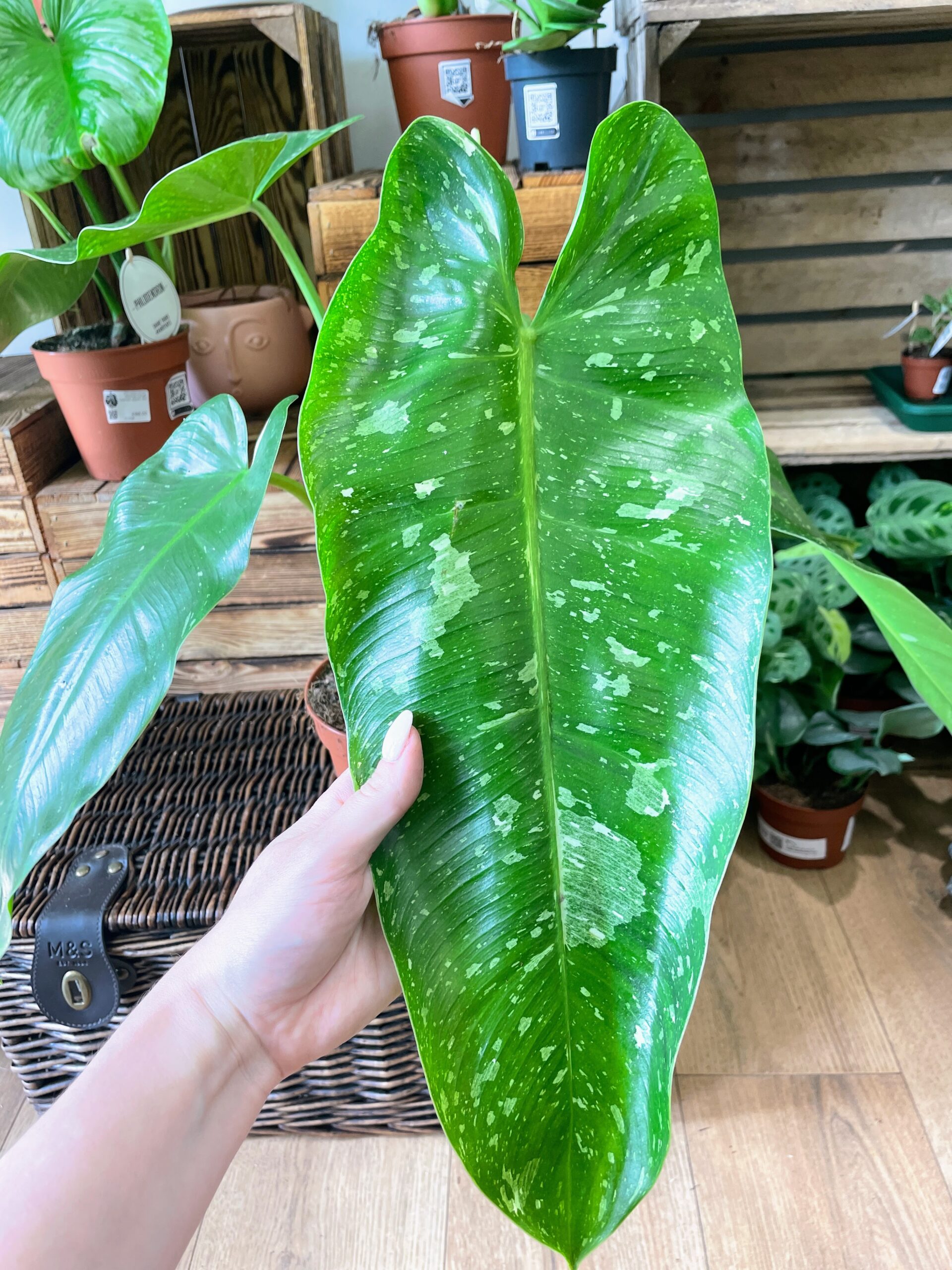
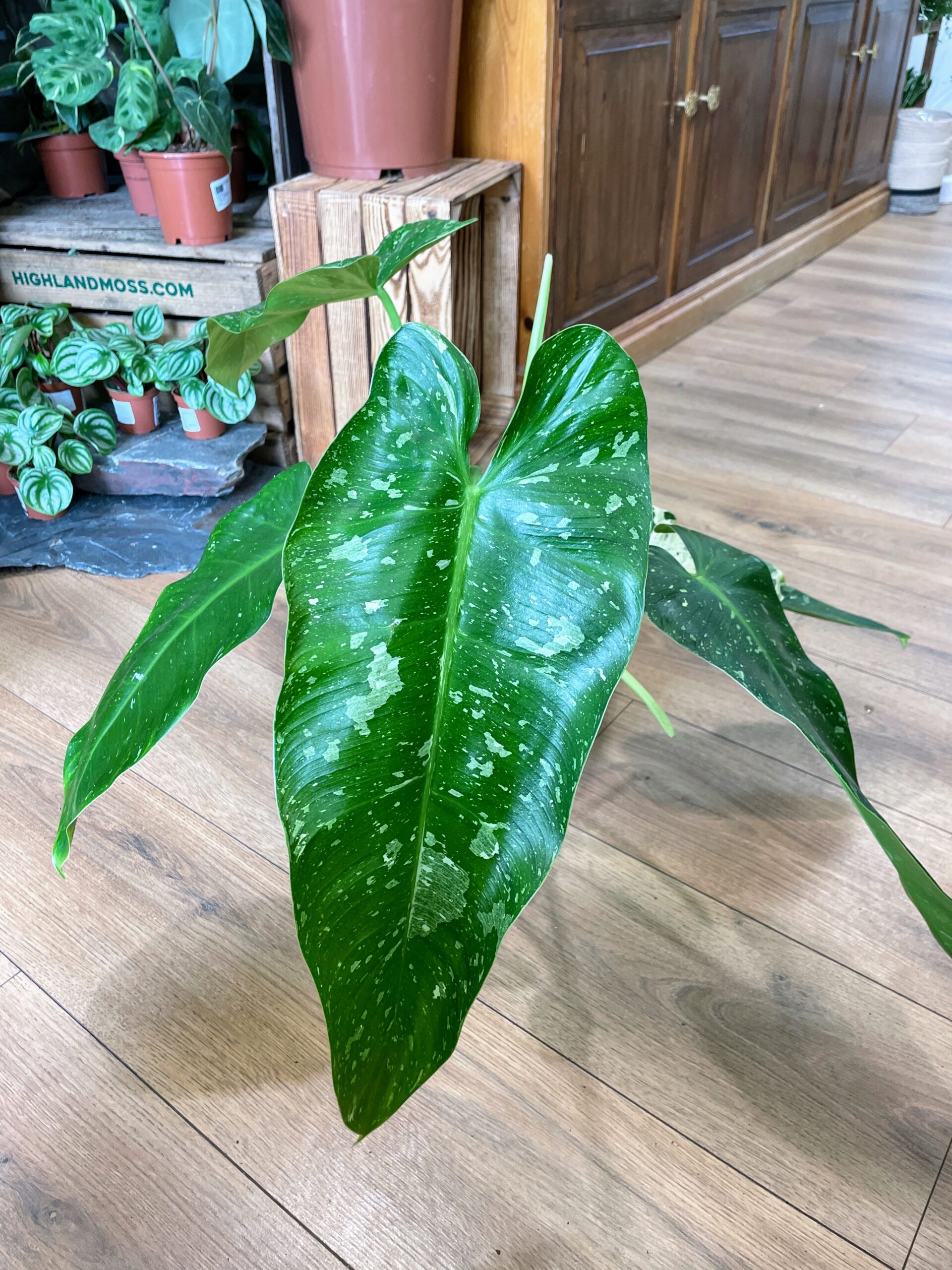
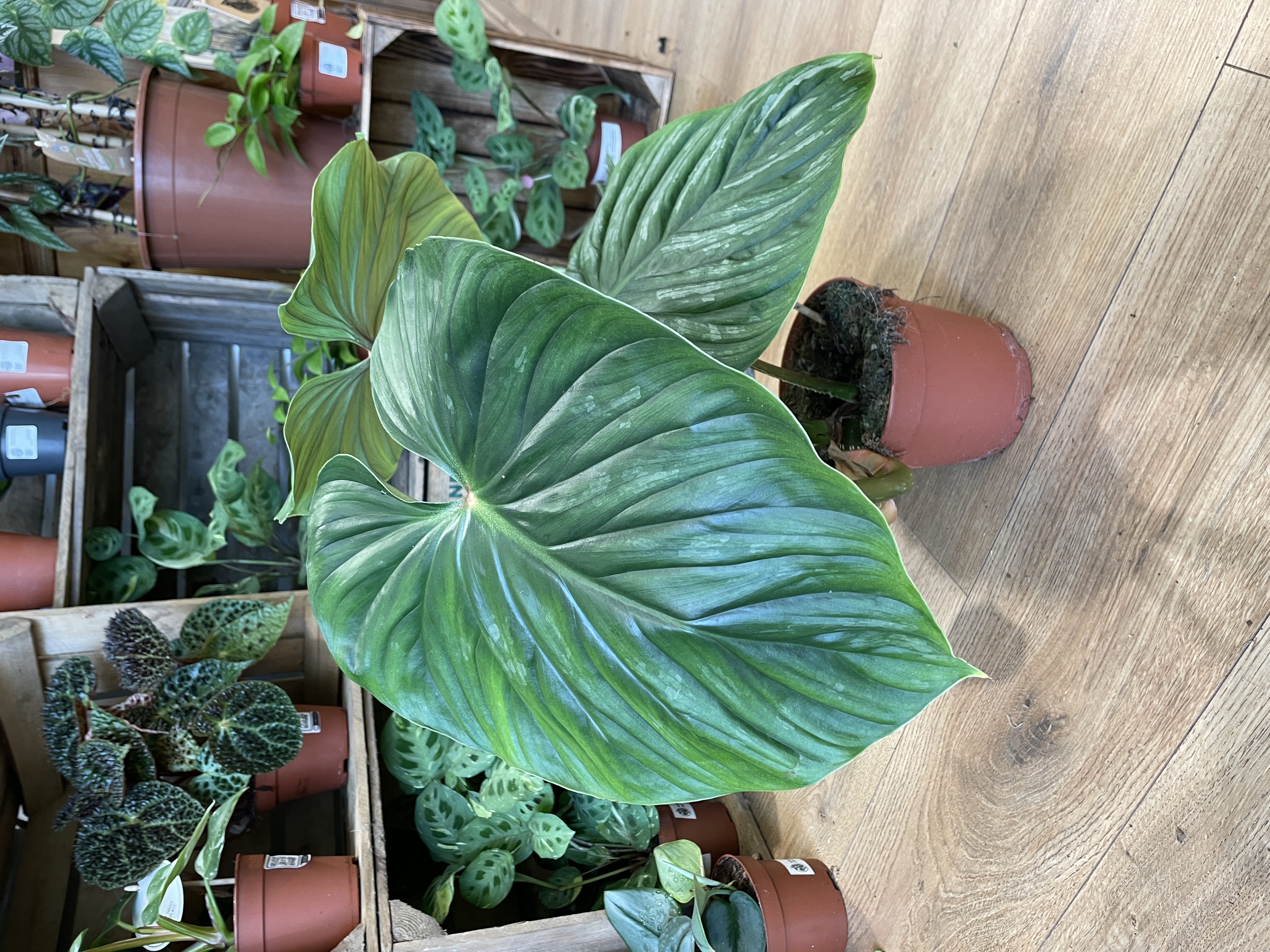
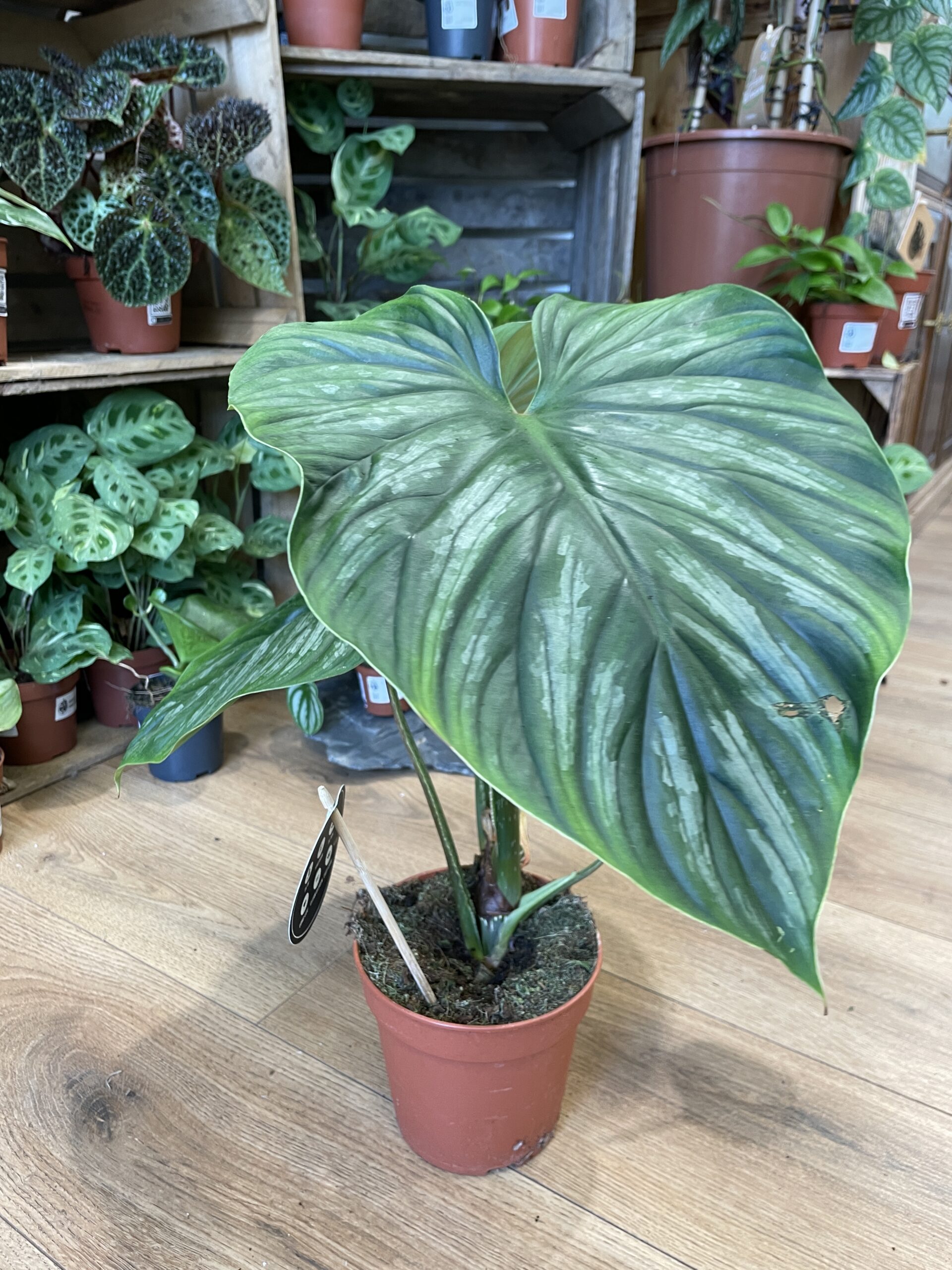
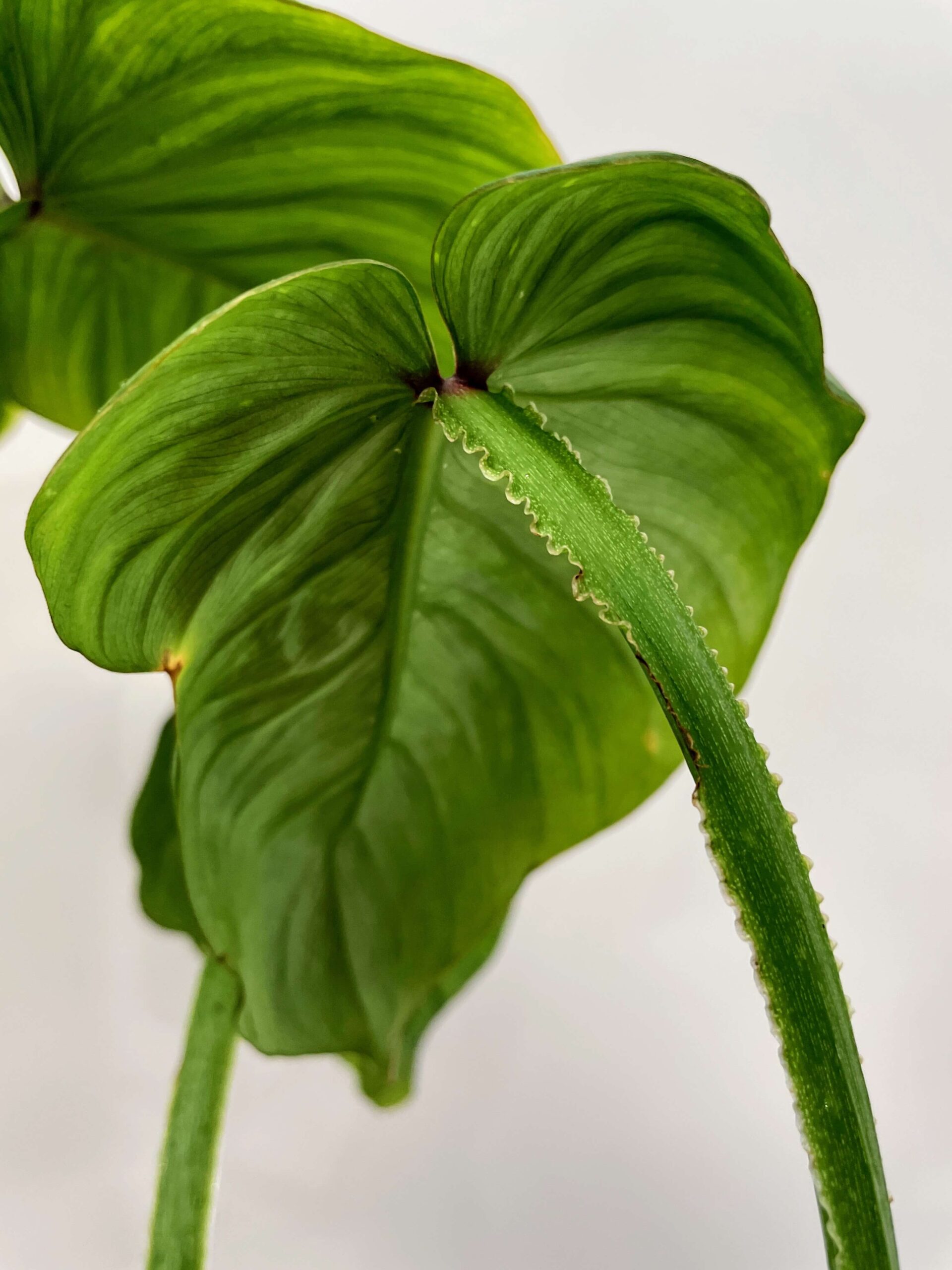
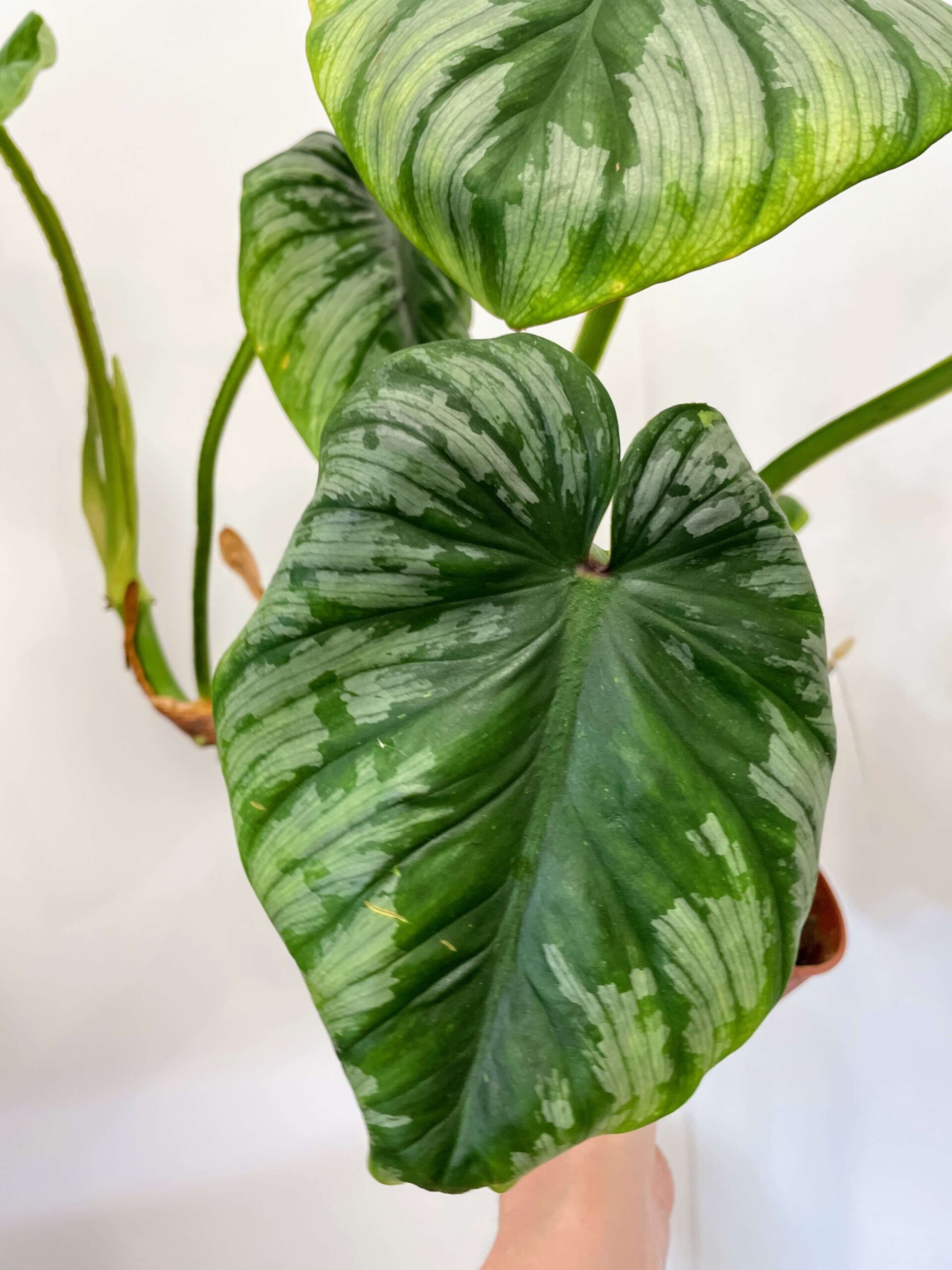
Philodendron Mamei
A rare must-have for any Philodendron lover, beginner-friendly, plants can quickly give you a foresty jungle feel inside your home. Its wonderfully imposing large heart-shaped green leaves are dusted in silver variegation amongst its deep rigid veins. Naturally, a ground-covering plant is another great plant to train on a moss pole.
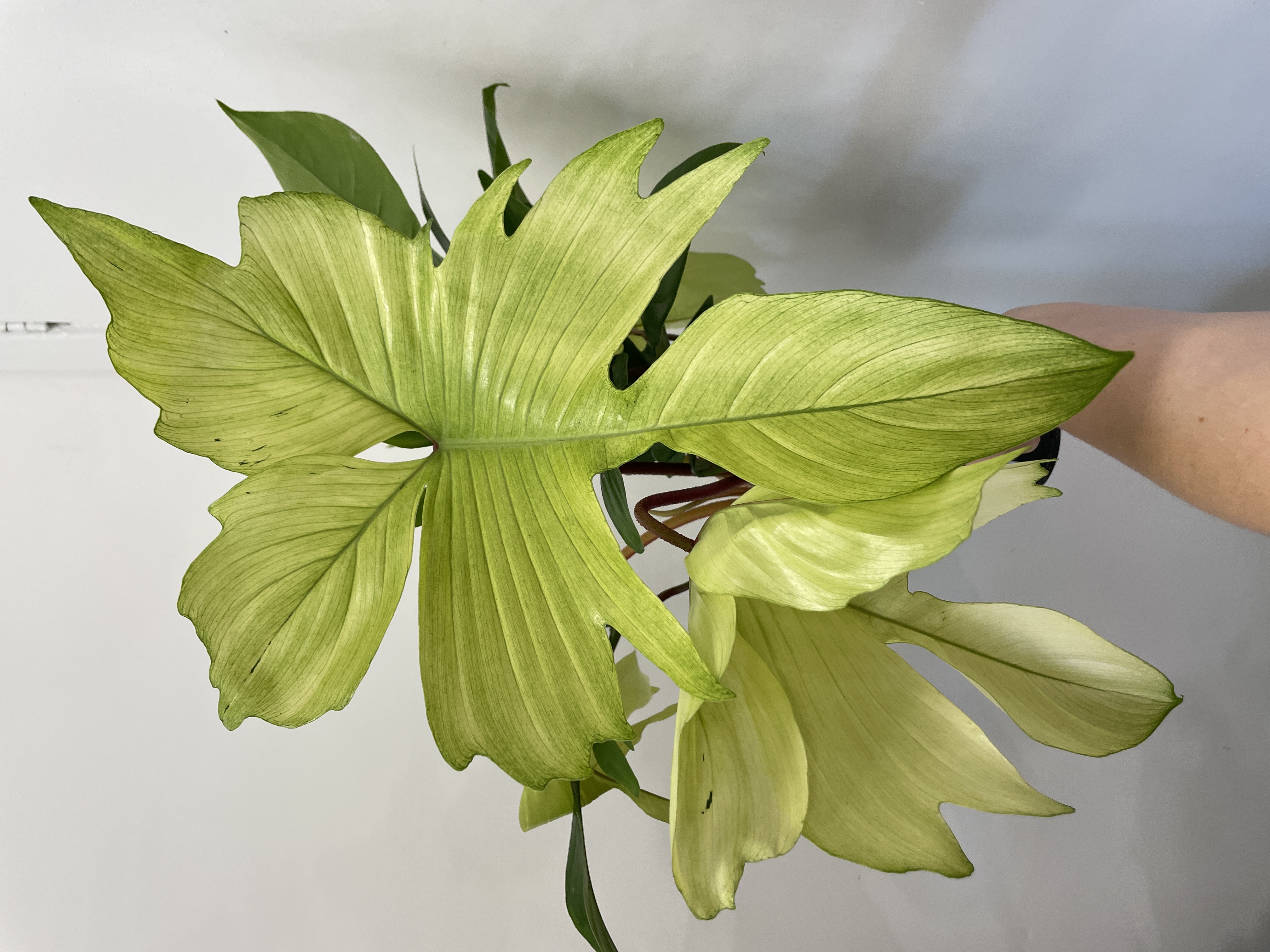
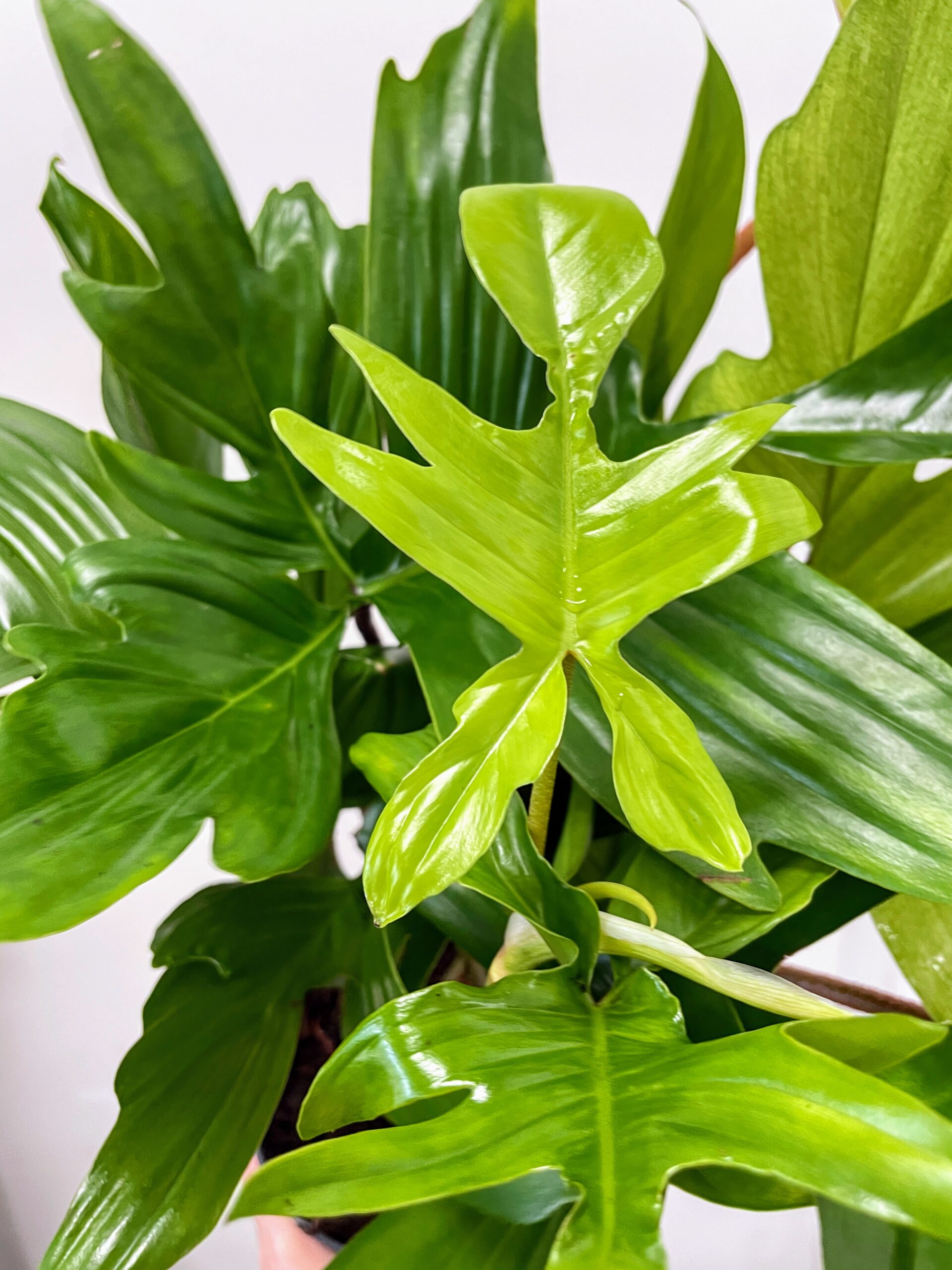
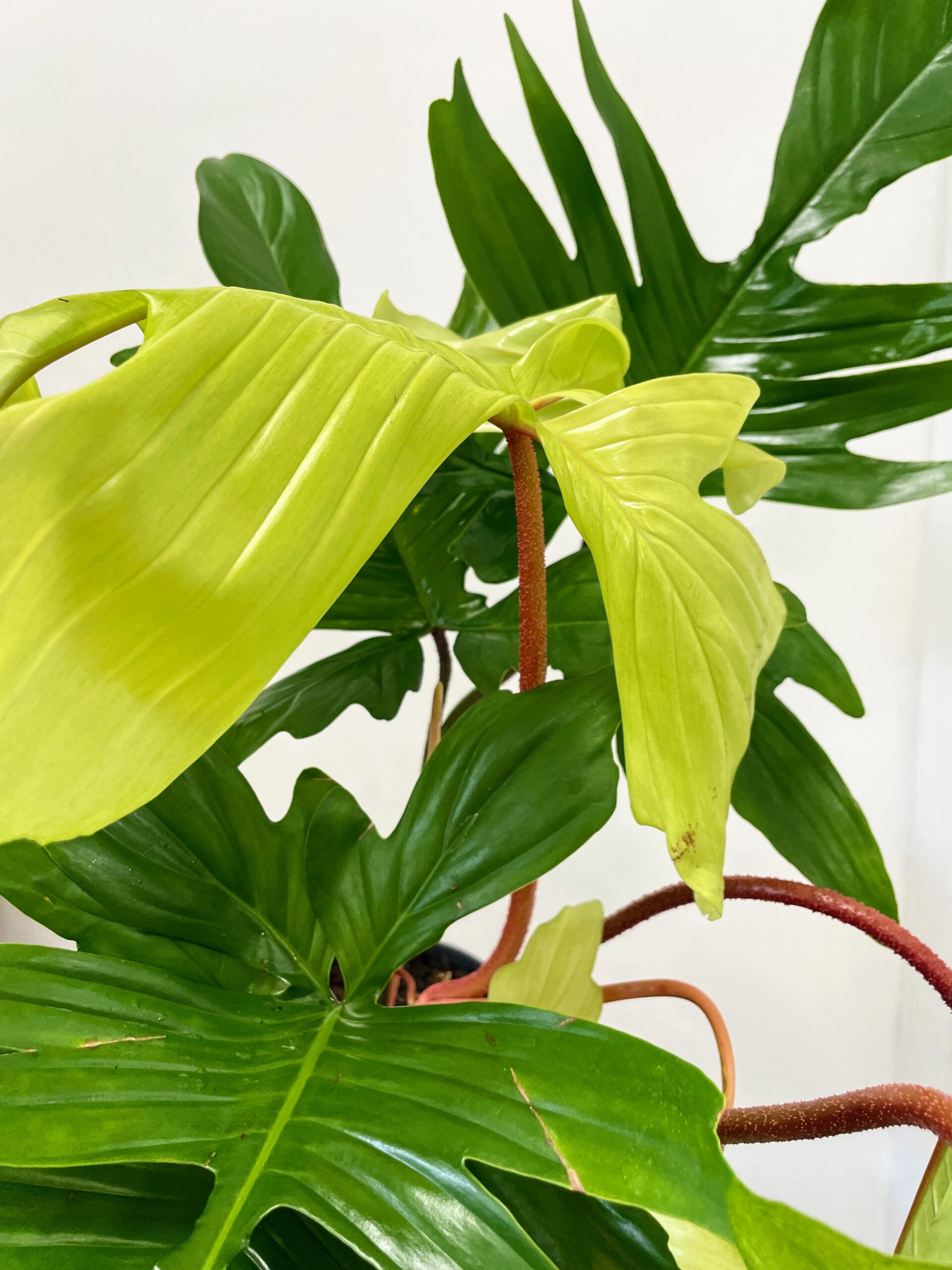
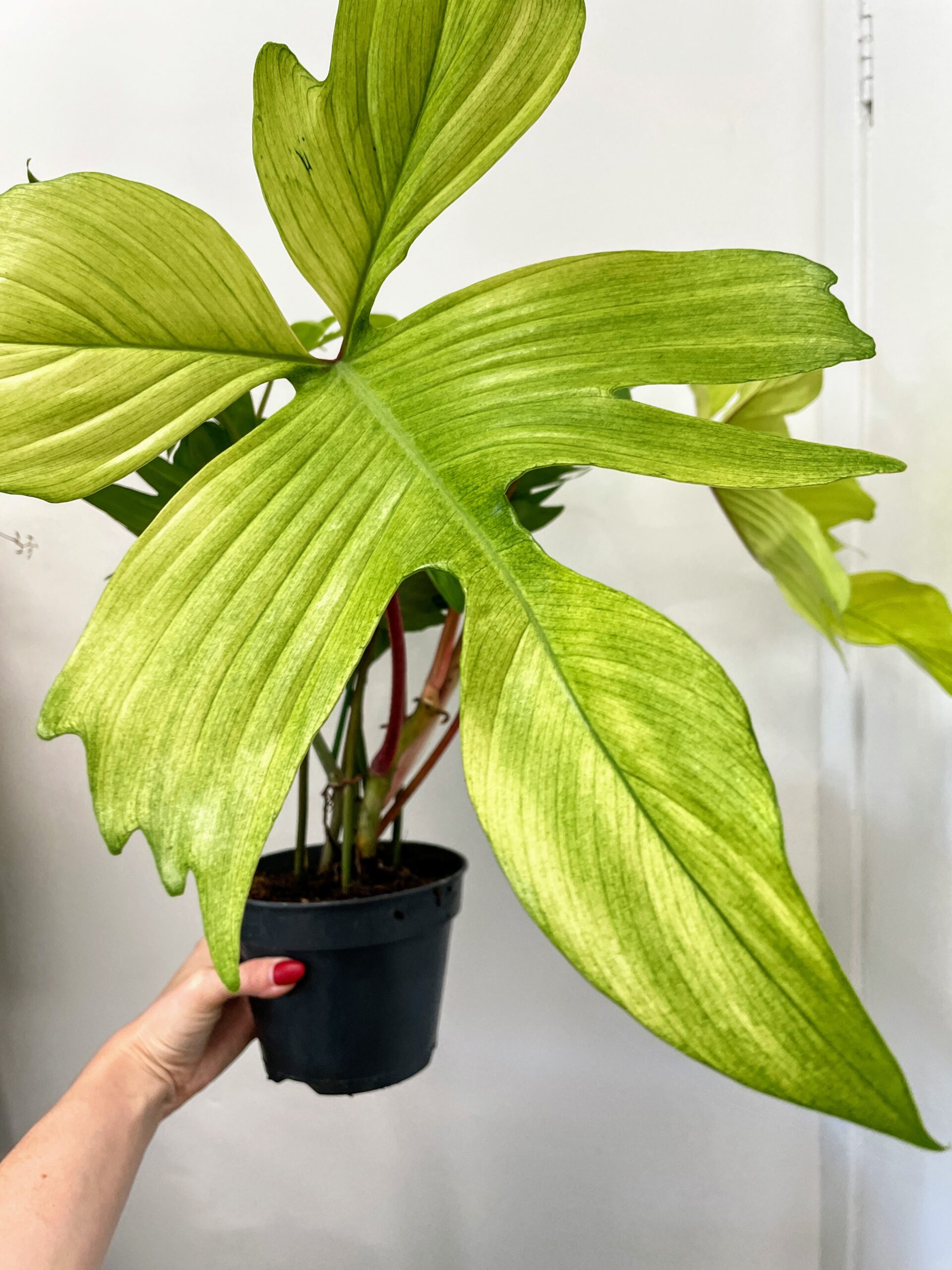
Philodendron Florida Ghost
This mesmerising plant is a highly sought-after hybrid variety of Philodendron. Its new leaves emerge from long stems in a striking white/creamy colour, turning back to rich glossy lime green as they mature. Receiving the name after its shape of it leaves this easy-to-care-for Philodendron sure to make a dramatic statement where ever it is placed.
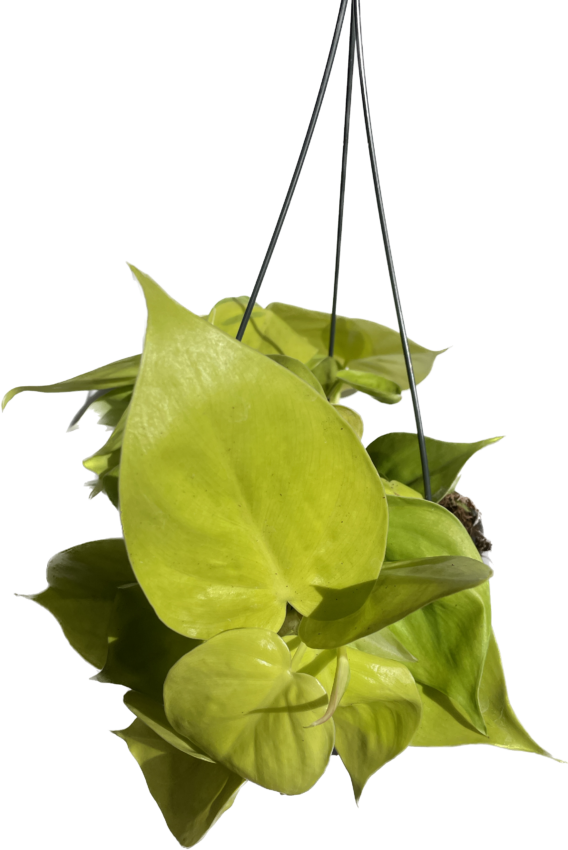
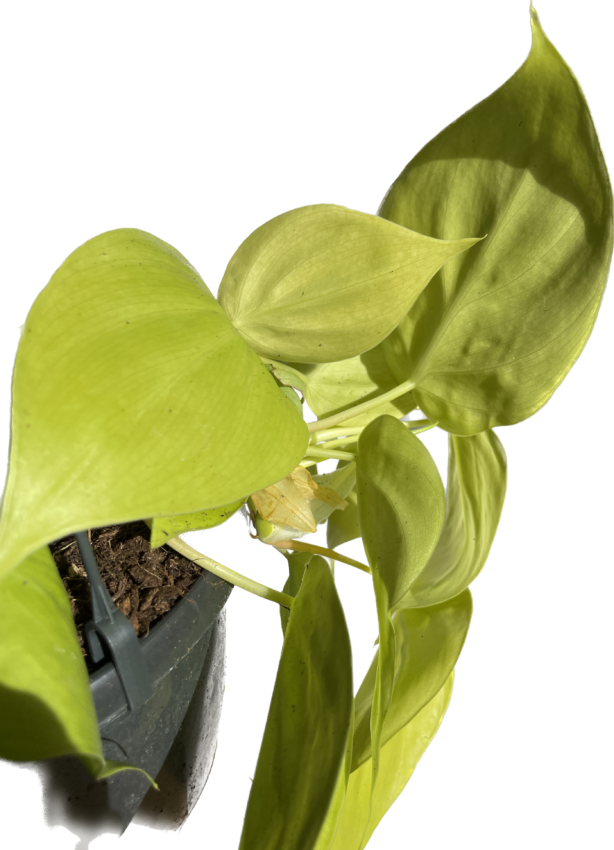
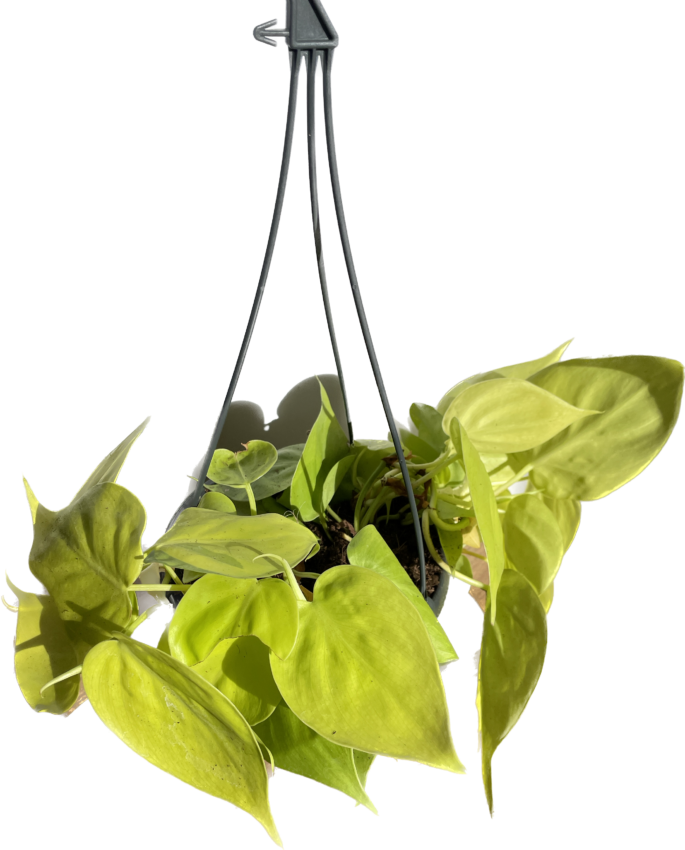
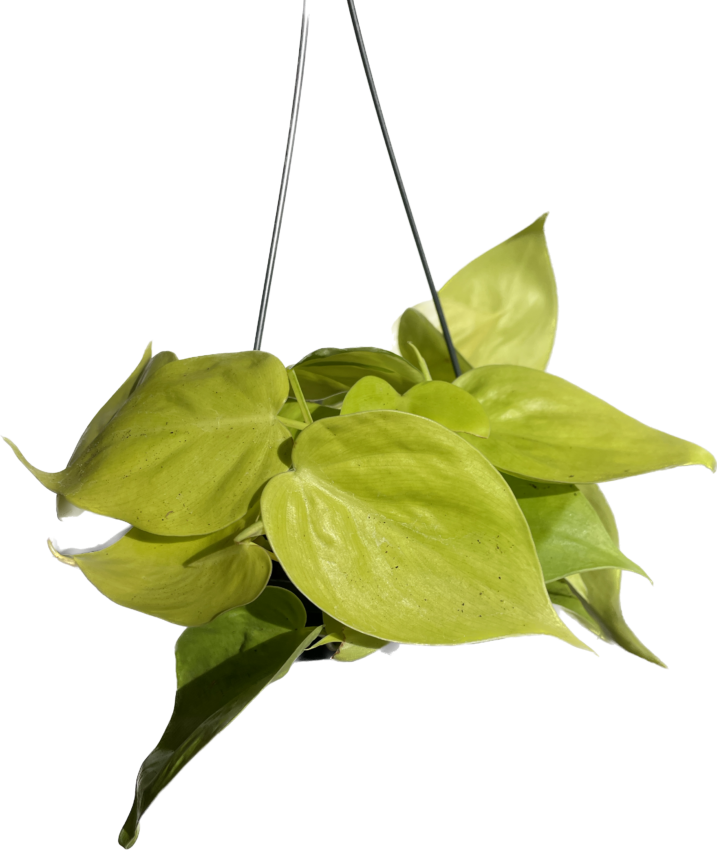
Philodendron Hederaceum Lemon Lime
A wonderfully vibrant easy-to-care-for variety of Philoderndorn commonly known as the sweetheart vine, it is a fast-growing vine which makes for a perfect hanging plant. Its heart-shaped leaves develop into a beautiful rich lemon colour which transition to lime as they mature. Perfect to add an additional eye-catching splash of colour to the sea of greenery.
If you enjoyed this guide head over to Articles & Blogs to learn more or check out our YouTube for even more useful information!