Sheet Moss Care Guide
Struggling to keep moss alive?
This sheet moss care guide explains exactly how to maintain healthy, vibrant moss in terrariums and indoor setups. Whether you’re building a mossarium or adding moss to a display, understanding light, humidity, and watering is key to long-term success.
At Highland Moss, we work with moss every day, so this guide is based on real experience, not guesswork.
About
Sheet moss is a true wonder of the moss world and can be used to create amazingly realistic landscapes in small environments like terrariums, vivariums and moss boxes; it also helps to regulate the humidity and water inside these small ecosystems. Often best used for its carpeting and ground cover abilities this brightly vibrant moss is known for its hardiness, low maintenance, long-lasting life and endless uses for houseplant enthusiasts.
Sheet moss is a broad term that describes all the bryophytes of the genus called Hypnum. Bryophytes are all types of non-vascular plants that don’t have a root system, grow stems or produce seeds, mainly moss but also liverworts and hornworts. The exact species that we know and love as sheet moss is called Hypnum Cupreesiforme also known as Hypnum moss or Cypress-leaved plat-moss. We’ve put this moss to work for hundreds of years mainly because of the way it grows. This moss forms as a very densely layered mat in its natural environment and was perfect for stuffing pillows and duvets when dried out. But in the modern day, you will often find this moss in a preserved or alive form, where it retains its gorgeous natural look and can be used in highly creative ways to recreate scapes of nature.
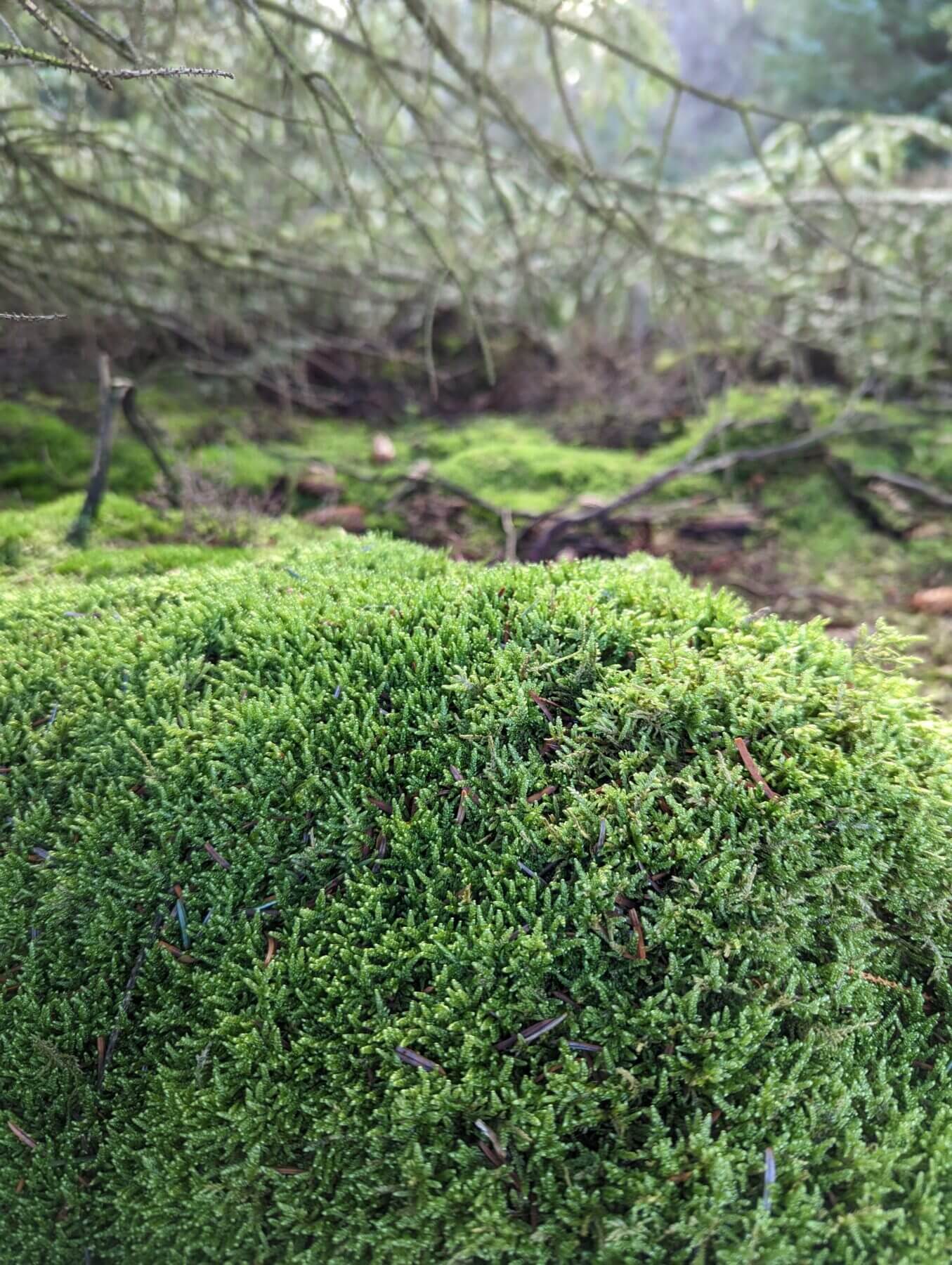
Sheet moss is so favoured for its use to recreate living environments mainly because of its vivid colours, especially if using live moss, it is like bringing the great outdoors inside. From a distance, it can mimic the look of rolling green hills or a pristine-looking lawn. As you get a bit up close and personal you can start to see all the individual strands of tiny branch-looking stems which tend to all grow in outward directions, similar to the way a meadow looks from above. The moss ranges in colour from rich vivid green to a light yellowish green colour, the colour they produce will mainly be dictated by the conditions they are grown in.
Sheet moss can be found throughout the world growing in perpetually damp and deeply shaded areas of the globe. These robust plants are incredibly hardy being able to tolerate a broad spectrum of temperatures and can grow up or over almost anything. Its resilient nature has played a key role in making it so widely used in a range of houseplant settings.
View the Show Garden Moss Guide
Our new moss booklet has been prepared to make it easy to understand our business, our products and most importantly help you learn all about moss.
Light
Sheet moss is a shade lover and thrives in low-light conditions. When using this moss in vivariums or enclosed ecospheres, where they may not get any natural light, they are happy to be under brighter artificial light as they will need this light to survive and thrive.
When placed in terrariums or used in locations where ambient light may be higher it’s important to remember this moss won’t enjoy being exposed to direct light, this will cause them to dry out rapidly and start losing its rich emerald green colour.
If used amongst other plants or in a normal home setting it is also worth avoiding any areas of bright indirect light, high UV exposure can cause damage due to its low tolerance to these conditions.
The best way to approach the placement of Sheet moss is to think of its natural environment. They will very rarely be exposed to direct sunlight, more often than not they will be living in a damp and cloudy environment or deeply shaded woodland. It is important to remember that the more direct light the moss is exposed to the more of its deep green colour it will lose.
Humidity
Live Sheet moss will not tolerate low humidity conditions this plant ideally needs around 60% to 90% humidity to survive and perform well. It could tolerate slightly lower conditions but it will quickly turn brown if there is not enough moisture in the air. This is why the plant is best suited to terrariums and vivariums where the humidity is much easier to control. Any quick changes to their environmental conditions can cause the moss to struggle.
Water
Watering this moss can be a bit tricky, while it is a moisture lover it also depends on other environmental conditions.
If sheet moss is being used in tandem with soil it will require less watering and should be allowed to dry out thoroughly between waters, this will help to prevent rotting and mould developing as the moss can quickly saturate itself from excess moisture in the soil.
If using the moss just by itself it doesn’t mind being watered a bit more frequently but too much at a time will still be damaging.
Sheet moss should only ever be misted, it is most comfortable collecting water this way instead of being watered like a traditional vascular plant. But either way, if you are using your sheet moss it will need regular airflow and the ability to somewhat dry out between watering.
Soil
In its natural environment sheet moss can grow on pretty much anything due to its unique way of latching onto surfaces, it is most often found growing on damp stones and soil as well as on the forest floor.
If using Sheet moss in tandem with soil or using soil to propagate moss there are a few things to keep in mind. Sheet moss thrives in rich soil with an abundance of organic matter. It will also need to be placed on sharply draining soil where excess water can freely run off but the soil will still need to retain a good level of moisture without ever becoming soggy or saturated.
You can also mix dried leaves or orchid bark in the soil, or just use them as a base can be another good method of propagating and storing the moss.
Feed
Always be careful to not overexpose living Sheet moss to feeds and fertilizers. They are used to nutrient-depleted areas and often feeding them will cause them harm, they will be able to tolerate very small amounts of diluted feed but as a general rule, too much-concentrated feed will turn the moss into a puddle of slime.
Preserved Moss
Sheet moss will often come in two forms, living and preserved. Preserved, which is different to dried moss, is often the more popular choice because of the lack of effort that is required to keep it looking pristine. Preserved moss undergoes a treatment process to retain its texture and colour, this allows the moss to keep its naturally soft and colourful appearance with the huge benefit of being maintenance-free.
Preserved moss is highly durable and can be a great alternative to living moss especially for creating plant projects that may be kept in conditions that normally wouldn’t suit moss
We don’t advise that you use preserved moss somewhere that will get wet or be exposed to a large amount of moisture. It can be used as a soil topper in your plants, but remember to bottom water or remove the moss first when watering the plant.
Quick Summary
Use this space to add a medium length description. Be brief and give enough information to earn their attention.