Stephania Erecta Care Guide
Table of Content
- About
- Light
- Humidity
- Water
- Soil
- Pest & Diseases
- Feed
- Pruning & Propagating
- Repotting
- Troubleshooting & Tips
- Toxicity
- Species
- Stephania Erecta
About
Stephania Erecta is a beautifully different houseplant that for the more experienced hand is highly rewarding and a must-have for the collection. There are not many houseplants with this unusual growing habit and overall look. This plant is definitely for people with patience as it’s a slow grower and takes time to grow this plant into a majestic wonder.
Stephania is a genus of plants that belongs to the family Menispermaceae, which is predominantly found in southern Asia spread across Thailand, Laos, Vietnam and Cambodia but also across Australia. This plant has been one of the fundamental 50 plants that have been used in chines medicine for centuries.
This flowering perennial is a vigorously growing vine in its native habitat that forms almost perfectly round, rich, dark green leaves that arrange themselves in a somewhat spiral pattern. When placed in a houseplant setting they tend to come in the form of a caudex which looks like a bulb or rhizome. A caudex is a swollen trunk or stem which is a common growing habit of more arid or desert-dwelling plants. This allows the plant to store water and survive long periods of drought. These plants aren’t cheap and often take up to 3 months to start shooting from their caudex.
For fanatical houseplant enthusiasts, this plant is a must-have. Its unusual yet beautiful form makes for a mesmerising addition to any collection. It can also be worn as a badge of honour to keep a Stephnia Erecta happy and for it to grow to a notable size.
Light
Stephania Erecta will need a moderate amount of bright light paired with a small dose of direct sunlight in the morning and evening when the sun’s rays are not so intense. It is important to note that this plant won’t tolerate low-light conditions very well, this is mainly because it will cause the plant to dry out slower than it would if placed in bright conditions. The main focus of care for Stephania is not to overwater, which is easily done!
Overexposure to sunlight will cause scorch to the delicate leaves, which takes a long time for the plant to produce. It is popular to keep them under artificial light which helps to provide a consistent and tolerable environment for them to grow in.
Humidity
This plant likes consistent humidity so it is probably best to invest in a humidifier to keep your plant happy. Stephania will need to be kept at a minimum of 60% humidity. While regular misting will help if the plant is in a warm environment without moisture the leaves can quickly start to brown and curl.
It’s highly advisable to use one of the options below to keep this plant at its best!
Pro Tip
The best way to maintain high humidity is to use a humidifier placed about a meter away from your plant to provide high ambient humidity. Alternatively, you could place your plant on an undertray filled with coya pebbles or small stones that are sitting in a shallow layer of water. Make sure the plant is not submerged in any water as this can lead to root rot. As the water from the undertray evaporates from the surface of the pebbles or stones it will keep humidity levels high exactly where you need it most.
Water
Watering is probably one of the trickiest aspects of this plant and will make all the difference to how it performs. It is important to remember that its stems hold a reserve of water making this plant drought-tolerant. As a rule, it’s always better to let your plant go under-watered for a day than to water it too soon. Overwatering can quickly lead to root rot and soilborne diseases.
The top half of the soil should be allowed to dry out before watering again, however, it can be difficult to tell with the bulbous caudex so it’s best to get used to the weight of the plant to know when it feels light and needs to be watered.
Normally during the winter, the leaves will start to yellow and drop, this is a sign the plant is entering dormancy. At this point, it is best to reduce watering even further and only water the soil occasionally to stop it from completely drying out.
Soil
Stephania Erecta will be best suited to free-draining soils and not one that holds onto moisture. It will be more comfortable in cacti compost compared to any other. This is because the caudex’s main purpose is to store moisture and provide it to the root system, so any excess moisture that may be held around the roots with quickly cause overwatering problems.
Depending on conditions, you can always add perlite for some additional drainage, and vermiculite for added water retention. With a combination of these, you can provide the best environment for your plant to thrive.
Pest & Dieases
It is good practice to regularly check your plants for any signs of aphids, red spider mites, mealy bugs, and thrips. You may notice some signs of distress and allow yourself time to prevent a full-blown attack.
The most common pests that are attracted to Stephania Erecta are aphids, mealybugs and thrips, which will often be caused by overwatering. Which can also cause powdery mildew and leaf spot disease.
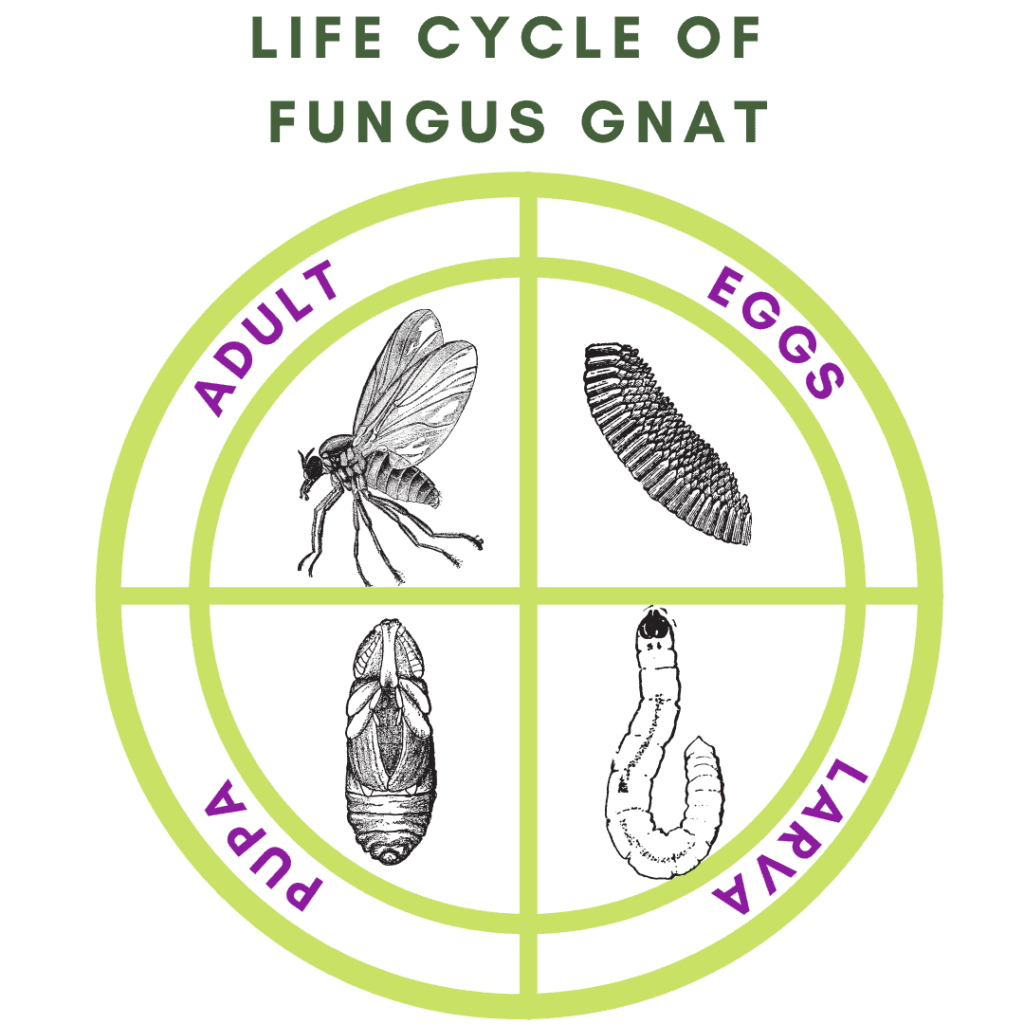
Check our video on homemade pest remedies or head over and read are Fungus Gnat Fact Check
Feed
Regular feeding isn’t always needed and the plant can normally draw enough nutrients out of the soil to keep it happy. If you do intend to feed the plant it’s best to use a cactus feed that has been further diluted by 50% and apply it to every fourth or fifth watering during the spring and summer and reduce to every sixth watering during the autum.
The plant will go dormant over the winter and just before this it will drop all its leaves, as you notice the drop in leaves, feed one last time and then start the schedule again in spring when it starts to sprout new leaves.
Pruning & Propagating
Pruning will only be required to remove yellow or dying leaves. This will also help to promote regular new growth that will keep the ecosystem of the plant happy and healthy.
REMEMBER – Always use clean and sharp pruning scissors!
The only way to grow Stephania Erecta is from seed, there are no forms of propagation that prove to be successful with this plant. But growing these plants from seed can prove quite difficult and it isn’t recommended unless you already have heat mats, propagating trays and lids, a humidifier and plenty of time to focus on them. You will need these just for germination which can take up to five months for a single seed to start showing signs of life!
But if you are up for a challenge you will need to;
- Soak the seed for 24 hours in warm water in a dark location in an environment with added heat. For example a heat mat or radiator.
- Using a cactus soil <LINK> fill small pots and sow the seeds around 0.5 cm into the soil.
- Do not compact the soil!
- Water evenly and place a small sprinkling of vermiculite <LINK> on the surface.
- Place in a bright location in a seed tray with a lid on top of a heat mat.
- The temperature should be kept at no less than 18 degrees Celsius.
- Wait patiently maintaining humidity and warmth until seeds show signs of life
- Move successful seeds into a 5cm pot.
Repotting
Stephania Erecta will not often need repotting as they tend to have slow-growing and compact root systems. The plant should be allowed to stay in each pot size for at least three years before moving on.
The pot size can increase by one step up once you reach this point.
The best time to repot your Stephania Erecta plant is mid-summer. The plant will be comfortably out of dormancy and have a decent amount of growth to give. These conditions will reduce the chances of transplant shock.
You will need to pick a pot with good drainage, we don’t want water hanging around the roots. Next, fill a third of the way up with Potting mix. Place the root ball of the plant in the centre of the pot. Be careful not to overhandle the roots as this can also cause transplant shock.
Next, fill the pot with the rest of your potting mix, never firm down the soil simply tap the pot on the sides to allow the soil to fill any gaps in the pot.
When you’ve finished and got your plant back in the perfect spot you can give it a thorough watering to settle the plant into its new pot. Keep a close eye on it for the first few weeks and then relax back into your normal watering and feeding schedule.
Troubleshooting & Tips
- During the winter the leaves will start to turn yellow in unison, this is an indicator that the plant will be entering dormancy.
- Always water with lukewarm water as the root system is sensitive to cold water and can cause the plant to go into shock.
- Overwatering is the main cause of failure for these plants. If you suspect you have overwatered the plant, remove it from the pot to check the root system and quickly transfer it to a new pot with fresh soil to avoid adverse outcomes.
- Low light conditions will cause stunted growth.
Toxicity
Stephania Erecta is classed as a poison and can cause some intense vomiting and nausea if ingested with more severe problems occurring if large quantities are consumed. Best to keep them in a safe place away from animals and children.
Species
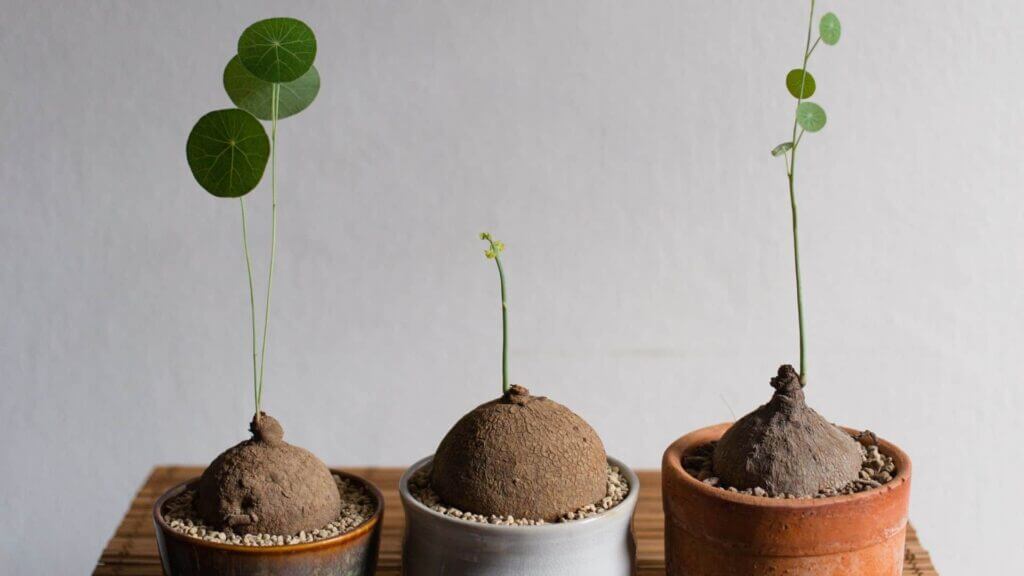
Stephania Erecta
Stephania erecta is a unique and intriguing plant that is sure to capture the attention of any plant enthusiast. The plant features twisting, vine-like stems that grow in a tangle, creating a mesmerizing and labyrinthine display. The leaves of Stephania erecta are heart-shaped and grow in an alternating pattern along the stems, with a rich green colour and a glossy texture that adds a sense of vibrancy.
If you enjoyed this guide head over to Articles & Blogs to learn more or check out our YouTube for even more useful information!