ZZ Plant Care Guide
Table of Content
- About
- Light
- Humidity
- Water
- Soil
- Pests & Diseases
- Feed
- Pruning & Propagating
- Repotting
- Troubleshooting & Tips
- Toxicity
- Species
- Zamioculcas zamiifolia
About
The ZZ plant could be considered the new kid on the block, only in the past two and half decades has it made its way to mass cultivation and spread worldwide into homes and offices. It quickly rose to the top of the must-have list due to the resilient and drought-tolerant nature that has allowed it to survive even in the most inexperienced hands.
Formally known as Zamioculcas zamiifolia this plant is the only one of its species that belongs to the family Araceae. Also known as the ZZ plant, Zanzibar gem, aroid palm, Zuzu plant or emerald palm, it is classed as a tropical perennial. Originating from Africa’s drought-prone environments, this tough-as-old boots plant can be found across vast areas of Africa, stretching across regions from southern Kenya to the northeast of South Africa.
While the ZZ plant has been on the radar of modern horticulture for the last few centuries, it wasn’t until 1996, when some intrepid Dutch nurseries situated in South Africa started to notice the plant’s huge potential to hold its own as a houseplant for the western world. Soon after this revelation mass propagation began and the plant began its journey into the hearts of the indoor gardener.
What made this so appealing to the Dutch nurserymen and what has kept it in popular demand for all these years is its sheer robust nature. This plant won’t go down without a fight! It requires minimum care and to be honest thrives on neglect more than anything. The ZZ plant is rhizomatous meaning it can store moisture within bulbous rhizomes that dwell below the surface of the soil, this is a natural adaption they have formed to be able to survive long periods of drought. Also, their fleshy succulent-like leaves, with a single leaf surviving for six months, can store a huge amount of excess moisture, up to 95% of the leaf mass, giving them an extra reserve for when times get tough. This is one of the key reasons this plant can seem to go on and on without water, with no need to be watered more than once a month. The other gleaming feature of this plant is that it’s very tolerable to low light conditions, in some opinions the most tolerable. While low light is not the optimal condition it will still perform relatively well and make for a handsome plant.
Another popular characteristic is its modest growth habit. The ZZ plant never becomes over-imposing and will only grow to a maximum of around sixty centimetres. It doesn’t often need to be repotted or fed and will almost always look at its best. For those of you out there looking for an easy plant to care for this has to be up there at the top of the list!
Light
ZZ plants will perform best with bright indirect light, they can grow quickly in these types of conditions and it will help to keep the plant looking glossy and abundant. Always avoid direct sunlight as this will scorch and damage the leaves.
But if you don’t have the brightest environment to house this plant, don’t fear. The ZZ plant can adapt and tolerate low light conditions very well. It will grow a bit slower than if exposed to bright light and will require even less water, but it should still maintain its dark green glossy leaves.
Humidity
In line with their ability to perform well in almost all indoor environments, the ZZ plant is more than happy tolerating the average humidity levels of a home or office (40%). They will even be able to tolerate somewhat dryer air during warmer months.
If you are looking to provide the most optimal conditions possible for your plant, its native habitat would normally sit around 45%-55% humidity. So it doesn’t take much to make your ZZ feel right at home. With regular misting, this optimal humidity could be achieved quite easily.
Pro Tip
The best way to maintain high humidity is to use a humidifier placed about a metre away from your plant to provide high ambient humidity. Alternatively, you could place your plant on an undertray filled with Leca pebbles sitting in a shallow layer of water. Make sure the plant is not submerged in any water as this can lead to root rot. As the water from the undertray evaporates from the surface of the pebbles or stones it will keep humidity levels high precisely where you need it most.
Water
This is where most people go wrong with ZZ plants, overwatering! You must let this plant dry out completely between watering, it is incredibly drought tolerant and watering again too soon will quickly start producing problems for your plant.
The rhizomes in the soil store water in them which mean even when the soil is somewhat dry the plant will still have a source of water to draw from.
Depending on the temperature and light conditions the plant is in will depend on how often it should be watered but there is a common phrase with these plants that goes “if you are watering your ZZ more than you are paying your rent it’s probably too much”.
While the average watering time is once every three weeks, it’s best to look out for the signs that the plant needs water, as opposed to watering as part of a schedule. When in need of water the stems will develop a slight wilt and the leave will wrinkle.
Top Tip
Always water from the base of the plant. Sitting your plant in an under tray and allowing it to absorb water from the base will reduce the risk of overwatering and is a good preventative measure for fungus gnats. Remember to always set a timer from the minute the plant goes in the water, we don’t want any forgotten casualties on our hands.
Pro Tip
Before you water your plant, take note of the weight of the pot. Once you’ve watered the plant, try to notice the difference in weight from before. Now you can quickly tell if your plant needs water by just lifting it up
Soil
ZZs wants a loose and free-draining potting mix. Any excess water hanging around the root system can quickly develop into rot. So the easier the water can pass through the soil the happier the plant will be. A good quality houseplant compost will be adequate to do the job.
To improve on the potting soil one step further you can mix three parts houseplant compost with one part cacti and succulent compost. This will help improve drainage and provide a loose potting environment for these plants to enjoy.
Pests & Diseases
Even though ZZ plants are easy to care for they can still suffer from pests, and the chance of them making an unwelcome appearance is still very possible.
It is good practice to regularly check your plants for any signs of aphids, red spider mites, mealy bugs, and thrips. You may notice some signs of distress by checking regularly you allow yourself time to prevent a full-blown attack.
The most common problem with ZZ plants are aphids which, if they occur, tend to happen in the warmer months. A telltale sign is the appearance of small yellow dots on the leaves and a sticky substance starting to form on the plant.
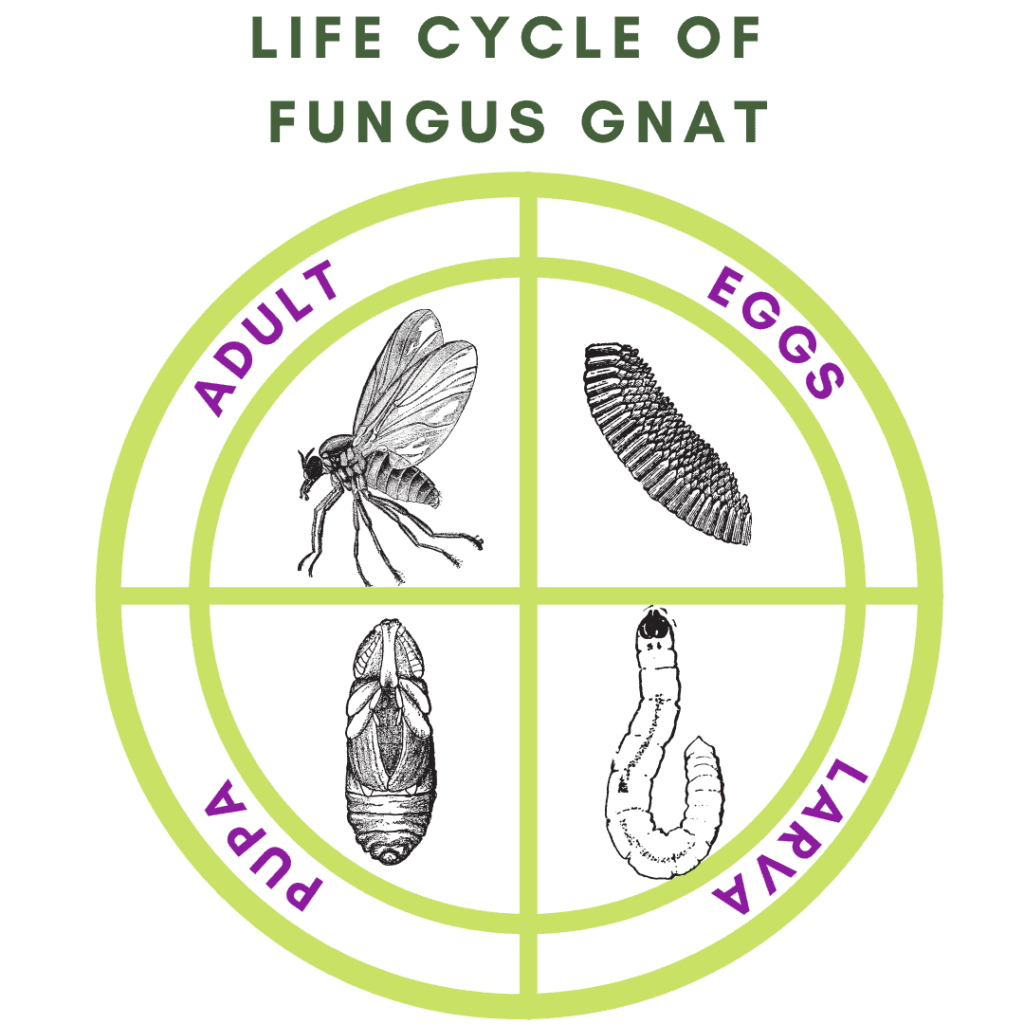
Check our video on homemade pest remedies or head over and read Fungus Gnat Fact Check and Home Remedies how to guide
Feed
ZZ plants could happily survive without feeding but are quite slow growing, so to give them a bit of a boost a balanced liquid houseplant feed can be applied after watering once a month.
It’s best to dilute the feed to around half strength and only applies during the warmer growing months when the plant will actively be putting on growth.
Pruning & Propagating
There is normally no need to prune your ZZ plant, its growing habit won’t benefit from being cut back. Sometimes older leaves can be removed by hand as they start to lose their colour and fade.
ZZs are a great plant to propagate as cuttings take easily and will start producing a new root system relatively quickly. There are two effective methods to start propagating from your plant;
Dividing
ZZs can be divided in a couple of ways but it’s always best to propagate while you are repotting. If you have a larger plant with a substantial root ball this can be cut into pieces and repotted. Place the root ball on a flat surface and look for natural division points (these can be identified by how the stems are growing from the surface of the plant). Once you have identified your division points and assessed that each point contains a substantial amount of roots, using a sharp sterilised knife, cut through the root ball. Transplant each new division into an appropriately sized pot in fresh potting soil
These plants also produce rhizomes which are easy to separate, they will need to be gently teased away, untangling and retaining as much of the root system as possible. Once you have removed all the plantlets place them into small containers with fresh potting soil
Top Tip
Dividing plants can cause shock and be a traumatic experience for your plant. So make sure the plant is in good health and has been well watered the day before to give the plant the best chance of survival.
Cuttings
To take a leaf cutting, cut off a stem which contains at least 2 leaves, normally the more the better as the plant will be able to photosynthesise more easily. Plant the cutting into a small pot with moist soil and place it in a warm area with bright light. Be sure to check it regularly so it doesn’t dry out.
You can also put your cutting straight into a jar with fresh sphagnum moss. This is probably the easiest way to propagate as it involves the least steps. Simply take your cutting at the node, find a jar or pot preferably with no drainage holes, fill it up with fresh moss and nestle your cutting in the centre. Fill up the jar with water so the moss has been evenly watered and then drain out all excess water making sure not to leave any at the bottom of the jar when standing upright. Now just keep an eye on your new cutting, checking the moss every couple of days to ensure it hasn’t dried out.
Repotting
It’s best to re-pot your ZZ once the roots fill their pot. Depending on the size of the plant, you may find yourself repotting once per year.
The pot size can increase by one step up every year, after around five years it’s likely your ZZ won’t need to be repotted again. If you have reached your maximum pot size you will need to top-dress the plant once a year with a fresh layer of soil to replenish the nutrients.
The best time to repot your ZZ is when spring arrives. Outside temperatures will rise and the daylight hours will increase. When this happens your plant will react quickly to the environmental change and start producing lots of new foliage growth.
You will need to pick a pot with good drainage, we don’t want water hanging around the roots.
Next, fill a third of the way up with a houseplant potting mix. Place the root ball of the plant in the centre of the pot.
Fill with the remaining soil and gently firm down around the root ball.
When you’ve finished and got your plant back in the perfect spot you can give it a thorough watering to settle the plant into its new pot. Keep a close eye on it for the first couple of weeks and then relax into your normal watering and feeding schedule.
Troubleshooting & Tips
- Yellow leaves are most commonly caused by overwatering other signs include brown leaf tips, dropping stems and lack of growth. The leaves at the bottom of the stem are often the first affected.
- Irregular yellow spotting is often the first indicator of pests.
- When you first buy your ZZ plant it may go through a period of adapting to a new environment in which it will develop yellow leaves, this should pass within a month or so once the plant has settled into its new environment.
- If your plant hasn’t put on any new growth this is a sign that the light conditions are too low and will need to move to somewhere a bit brighter.
- It is normal for new leave to appear as a light green they will slowly darken in colour as they mature.
- If the leaves are curling up this is a strong sign of underwatering, give your plant a drink and it should quickly bounce back.
- It is always best to water from the bottom, ZZs will want very loose soil which can often be washed away when watering from above, exposing the rhizomes and leaving your plant vulnerable.
Toxicity
These plants are poisonous if ingested. It is always best to keep them out of the reach of children and animals. It is always advisable to wash your hands after handling them as they can cause skin irritation and rashing in some people.
Species
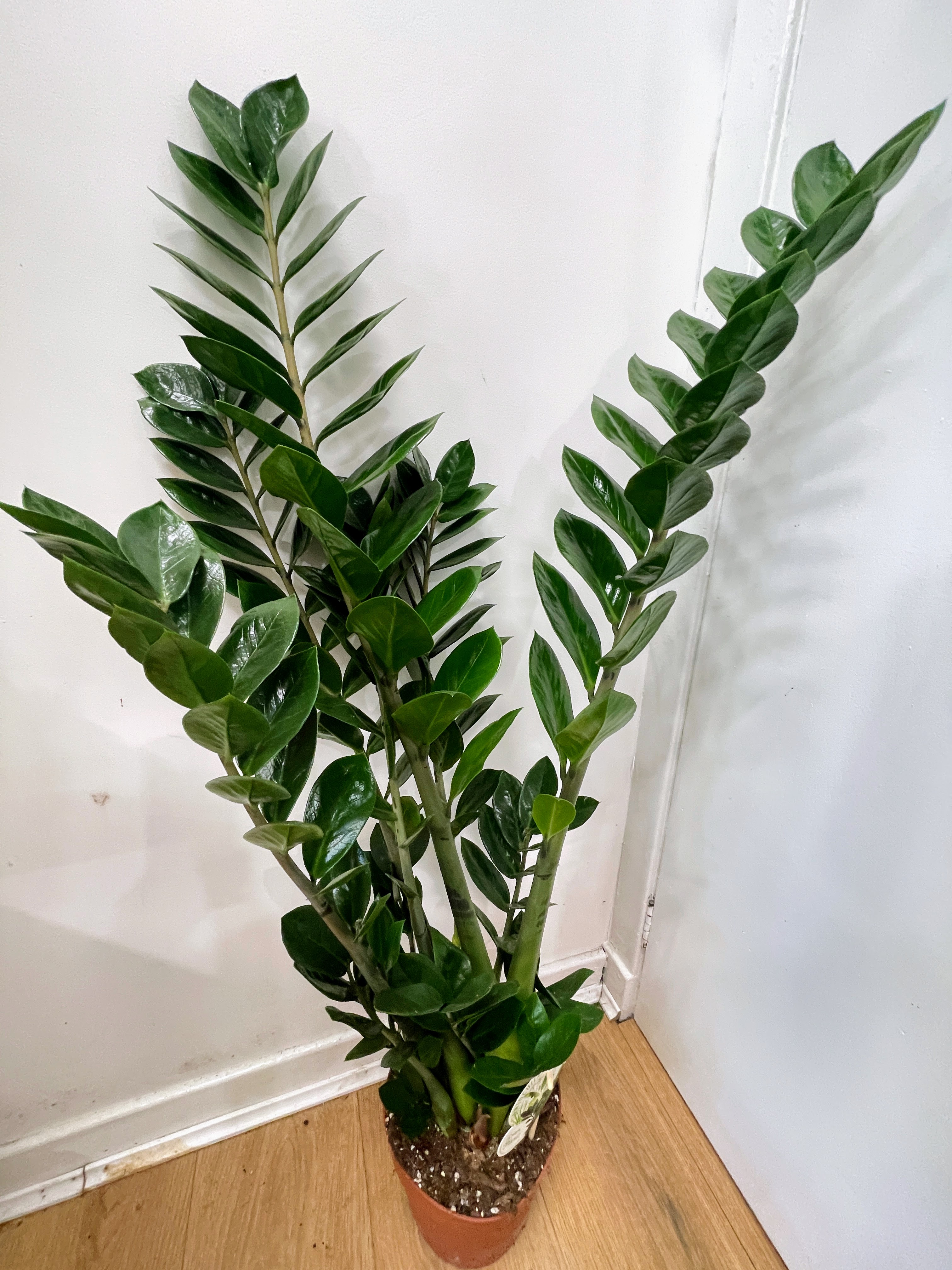
Zamioculcas zamiifolia
This elegant and slender plant slowly develops tall, light green, growing stems which produce attractive, waxy-smooth, dark green leaves. The leaves are pinnate in shape and thick to the touch and cover the stem in a neatly stacked and orderly fashion. Overall you can expect this handsome, low-fuss plant to grow to around three feet.